Haifa Court Orders Sexual Risk Assessment in Child Custody Dispute
Haifa District Court orders an independent sexual risk assessment for a father involved in a custody dispute, ruling that closed criminal files do not rule out potential child safety concerns.
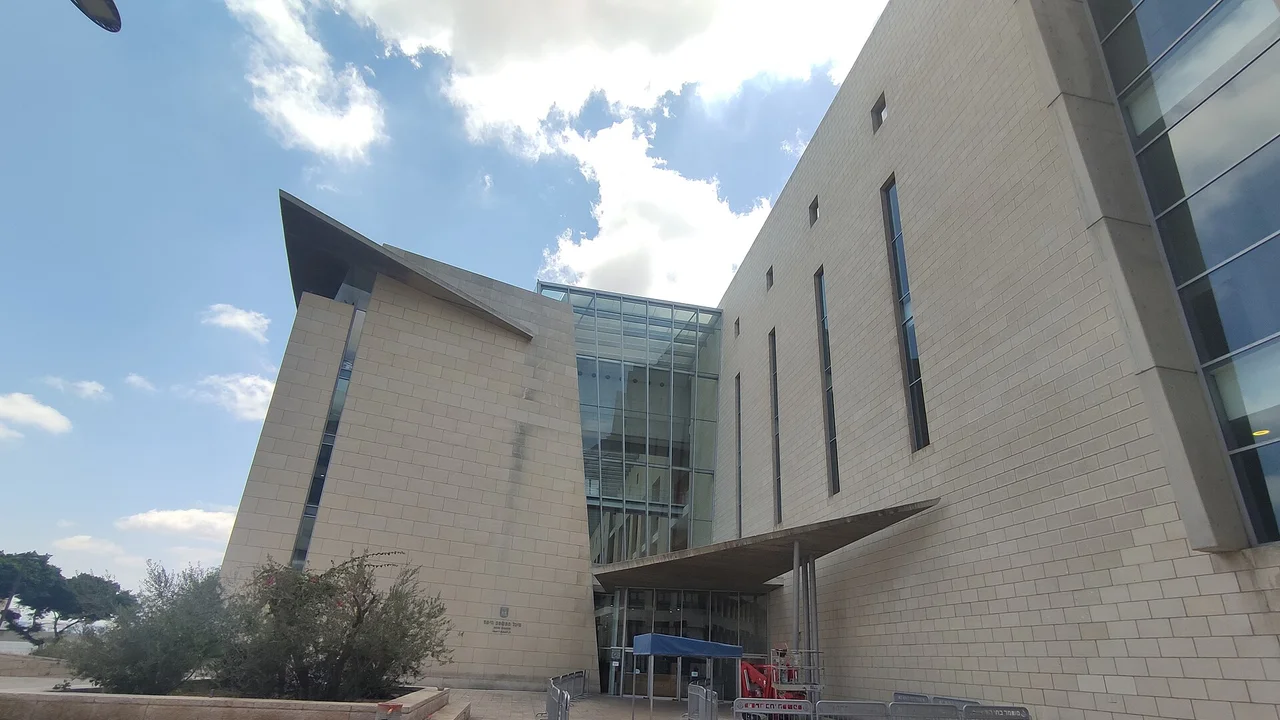
The District Court in Haifa has ordered the appointment of an independent criminologist to conduct a sexual risk assessment of a father regarding his young daughter, following findings by a child investigator that the toddler was exposed to adult genitalia. The ruling by Judge Sari Jinoussi was issued despite the prior closure of the criminal investigation against the man.
The case stems from a protracted custody dispute between the parents in the Family Court concerning supervised visitation arrangements. For more than three years, the father faced rigorous scrutiny before police authorities officially closed the criminal file in June 2025 after determining that no prosecutable offense had been established.
Custody Evaluation and Legal Arguments
During subsequent civil proceedings, the Family Court commissioned a specialized institute to evaluate the father's parenting capacity. In January 2026, the institute recommended considering the removal of supervision during his visits with the child, prompting the court to request a dedicated sexual risk assessment from the same body.
The mother strongly objected to using the same institute, arguing that it had already formed a favorable bias toward the father without conducting proper diagnostic evaluations. She requested an independent external expert to examine potential physical and emotional risks, citing a child investigator's report concluding with high certainty that the three-and-a-half-year-old girl had been exposed to the genitalia of her father and another individual.
Court Ruling and Judicial Reasoning
Judge Jinoussi upheld the mother's position regarding the appointment of an external expert, noting that parenting capability and sexual risk are distinct domains requiring separate professional specializations. The judge concurred that the initial institute appeared predisposed in its assessment, writing that "a tangible concern arises that the institute is locked in its view and incapable of examining the question of sexual risk in an open and neutral manner."
The court emphasized that the closure of a criminal case does not automatically negate potential risks, as criminal and civil proceedings operate under different legal thresholds and objectives. Consequently, the court annulled the previous directive, ordered the engagement of an independent clinical criminologist to perform the sexual risk assessment, and ruled that current supervised visitation terms will remain fully enforced pending the final evaluation results.