New Immigrants in Jerusalem Rebuild Careers and Community Connections
Immigrants settling in Jerusalem navigate professional, educational, and social integration with municipal support, building lasting community ties that endure through crises.
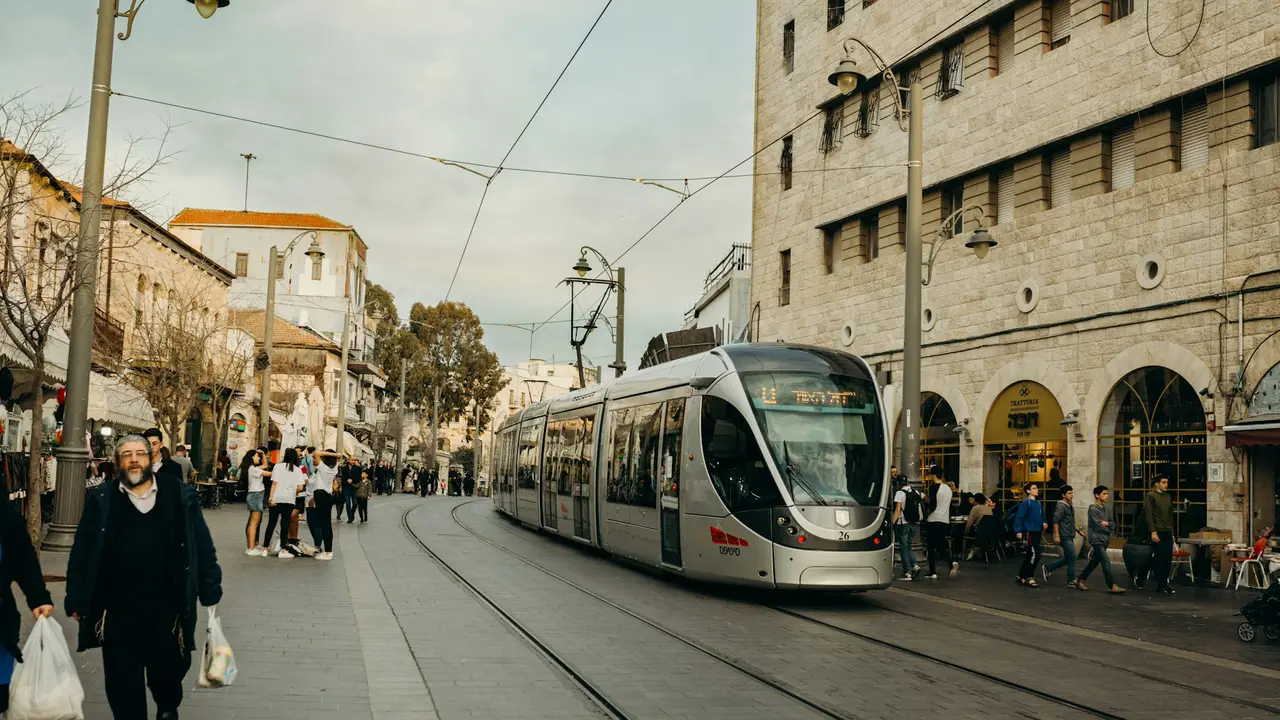
Making Aliyah to Israel begins with a decision and a plane ticket, but building a life locally is a gradual, multifaceted process. For immigrants settling in Jerusalem, some of the most significant challenges lie in everyday details: navigating an unfamiliar education system, rebuilding a professional network, finding a synagogue or local community, making friends, and knowing where to turn during a crisis. Galiya Zeig, who immigrated five years ago and later founded Jerusalem Tastebuds, had to re-establish her professional standing and forge a new social circle from scratch. Similarly, Levi Simon, a tour guide who arrived in Jerusalem with his family nine years ago, discovered that everyday routines can become remarkably complex within a new country and language.
Building Networks and Community Support
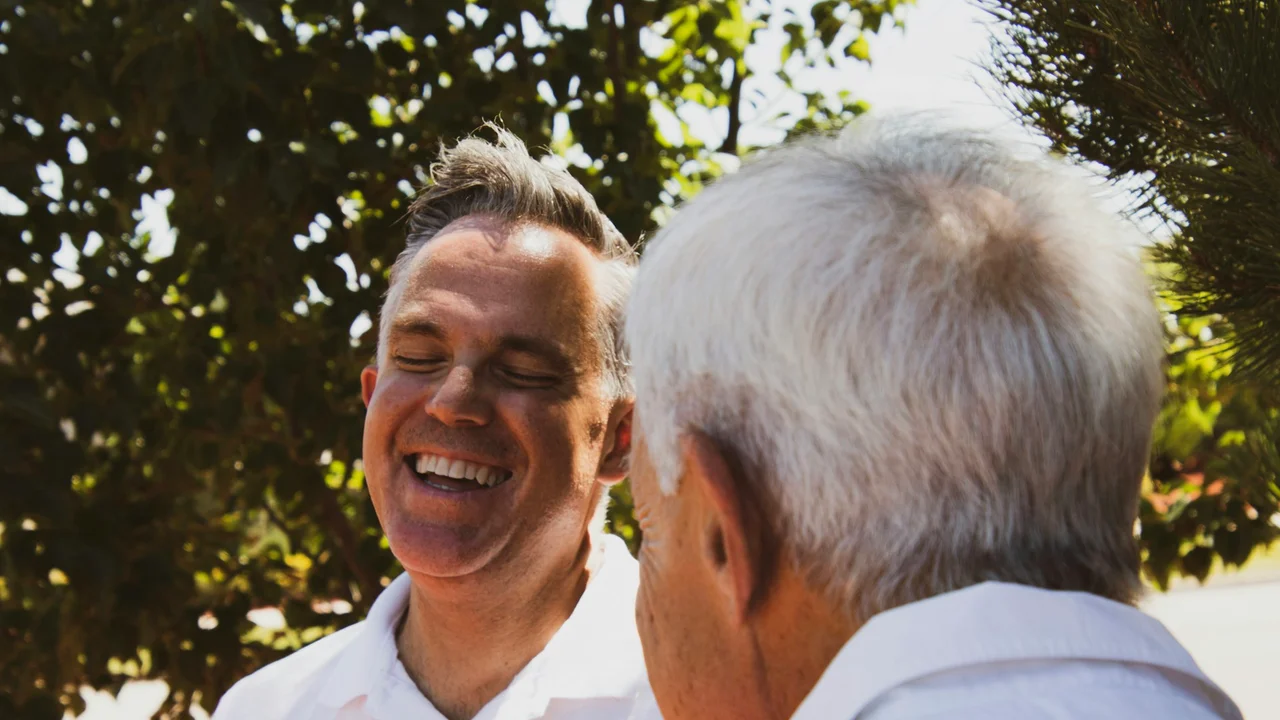
For families, the challenge begins almost immediately, starting with the critical decision of choosing a school for their children. Regardless of country of origin, profession, or family status, almost every immigrant shares the fundamental hurdle of constructing a social network from the ground up. Ariel, manager of immigrant services at the Baka Community Administration in Jerusalem, explains that these networks provide much more than casual friendships. During a particularly difficult period for her business, Zeig received vital support from Ariel and the community administration. Ariel offered innovative ideas to help sustain the business, while local synagogues, neighborhood communities, and WhatsApp groups provided essential information, contacts, and emotional backing.
Following the events of October 7, these local connections took on profound new meaning. With incoming tourism coming to a virtual halt, Zeig struggled to maintain a tourism-based business during a time when visitors stopped arriving. The community she built in Jerusalem served as a critical lifeline. As Zeig describes the experience:
"It was truly a lifeline. At a moment when I felt like I had almost nothing left, knowing that someone was backing me up was immensely meaningful."
Transitioning From Recipients to Providers
Community integration is never a one-way street, and the same WhatsApp groups that helped Zeig find her footing soon became a channel for helping others. Following October 7, she began cooking meals for soldiers and sharing her initiatives in local community groups. She subsequently launched a new WhatsApp group for neighborhood women, which rapidly expanded to include around 100 members. Cooking for soldiers and reservist families evolved far beyond food preparation, creating deep human connections and giving participants a tangible sense of participation in national events. Moving from someone who requires community assistance to someone actively providing it marks a crucial milestone in turning Israel into a true home.
Long-Term Municipal Support and Professional Integration
The absorption process extends far beyond the initial months of ulpan classes, opening a bank account, or receiving an identity card. According to Ariel, the Jerusalem municipality operates 20 immigrant support centers across the city, providing assistance not just immediately after arrival, but throughout an immigrant's first decade in Israel. This approach recognizes that immigration is an ongoing journey that can span many years. Neighborhood centers connect newcomers to municipal services and community resources, offering a familiar address within an unfamiliar system.
Professional integration represents another central pillar of Aliyah. Launching a business requires mastering the local market and forging strategic connections that translate existing foreign experience into real opportunities. For Simon, working as a tour guide across Israel and Jerusalem became an integral part of building his life in his chosen home.
A Resolute Choice to Stay
The war raised difficult questions for many immigrants whose families and long-time friends remained abroad, prompting some to ask why they choose to stay. For Jerusalem's immigrant community, the response remains unequivocal. Zeig rejects the premise of returning abroad, emphasizing a deep desire to remain, contribute, and stand in solidarity with the people of Israel. The relationships forged since her arrival feel as close as friendships cultivated over half a century abroad. Ultimately, this sense of belonging develops gradually through schools, workplaces, neighbors, community administrations, and shared meals, transforming the initial moment of arrival into a lasting home.