Hadera and Zichron Yaakov Emerge as Israel's Highest Housing Demand Area
New housing data reveals shifting real estate trends across Israel, with the Hadera and Zichron Yaakov corridor emerging as the most in-demand region as supply drops by 7.2%.
Housing prices across Israel are dictated by the fundamental balance of supply and demand. According to recent data analyzing user search metrics and active listings, shifting trends reveal distinct regional variations in the domestic real estate market, pointing to potential price increases in specific areas.
The Southern region experienced a dramatic drop in housing demand of approximately 22.3%, while supply remained relatively stable with a slight increase of 2.4%. This combination indicates an impending downward trend in property prices. Analysts attribute this dip to a surge of newly built apartments in cities like Ofakim and Netivot, coupled with broader economic uncertainties.
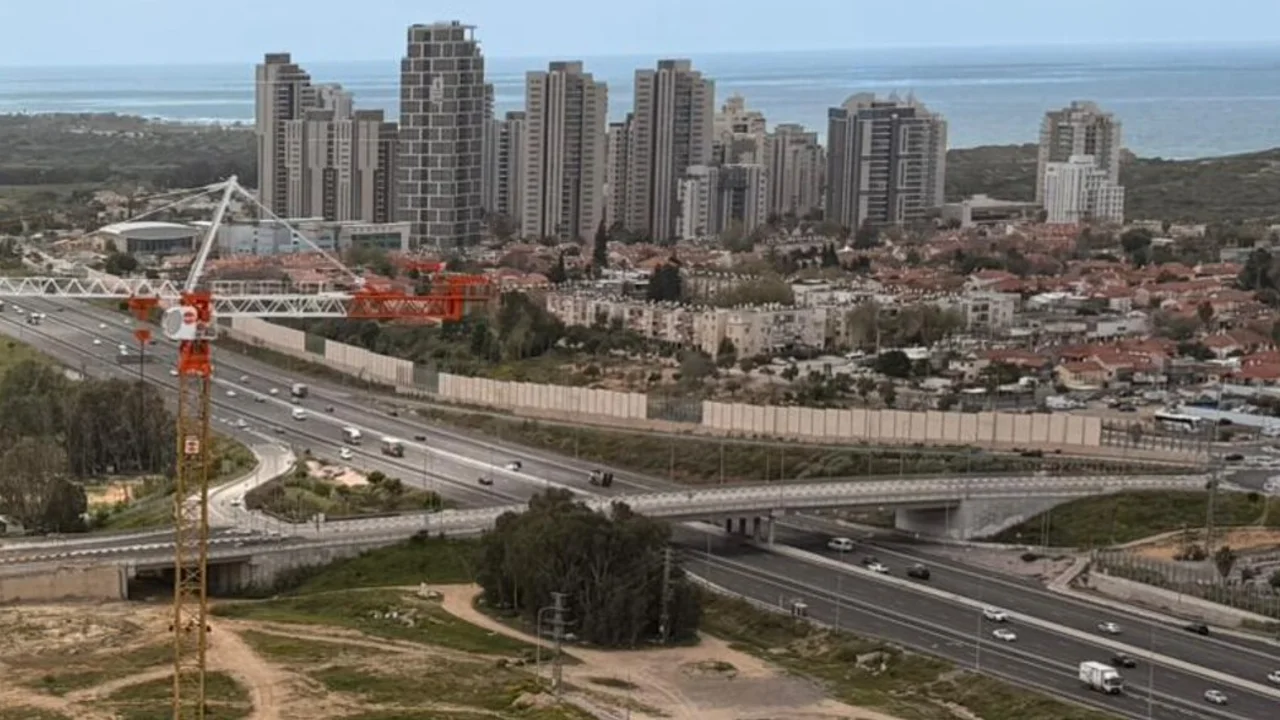
Conversely, the region between Hadera, Zichron Yaakov, and the valleys emerged as the most in-demand housing market in the country, registering a demand increase of about 4.8%. At the same time, housing supply in this corridor dropped significantly by roughly 7.2%, pointing directly toward rising property prices.
Broader Market Dynamics
Across the entire country, overall housing demand decreased by 4.3% over the past quarter, alongside a 1.3% decline in available supply. Experts note that ongoing construction completion rates remain insufficient, keeping the structural housing shortage relevant despite fluctuating market conditions.
The Hadera and Zichron Yaakov corridor benefits from its strategic proximity to the central metropolitan area, high quality of life, and robust local infrastructure development. Meanwhile, other regions present mixed pictures, with Jerusalem and the Sharon area recording demand drops of 6.9% and 7.1% respectively, while central Israel saw a marginal demand decrease of 0.5%.