Pension Funds Fear Government May Tap 30 Billion Shekel Yield Surplus to Cover Deficit
Accumulated pension fund surpluses of roughly 30 billion shekels spark concerns that Israel's next government may seek legislative changes to tap these funds for state expenses amid soaring fiscal deficits.
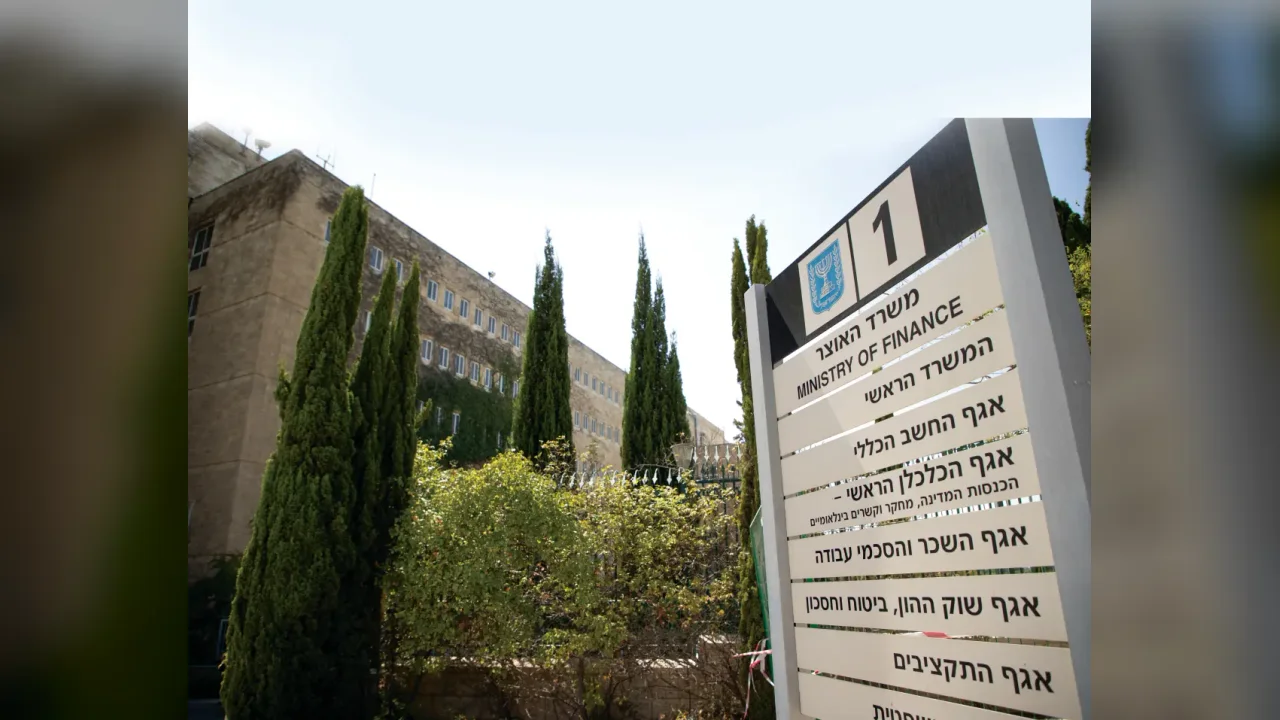
Roughly 30 billion shekels have accumulated in recent years within the pension funds' yield-guarantee mechanism, raising concerns among institutional bodies that the incoming government might attempt to tap into these funds to cover soaring state expenses. Generated thanks to high capital market returns, these monies are originally intended to serve as a safety net for savers during periods of low market performance. However, against the backdrop of a high fiscal deficit and surging defense expenditures, institutional managers note that the Budget Directorate at the Ministry of Finance, pressed by members of parliament, could seek to redirect these funds toward deficit reduction or state financing. Such a move would necessitate legislative changes.
Israel is currently facing immense budgetary challenges. The wars of recent years have inflated defense spending by tens of billions of shekels, and the state anticipates significantly higher outlays in the coming years compared to pre-war baselines. Additional burdens include rehabilitation costs, interest payments on public debt, and the necessity to bolster civilian budgets that have eroded over time. The state deficit remains elevated, and the debt-to-GDP ratio has climbed sharply since the outbreak of hostilities, reaching approximately 68% in 2026 with cumulative war costs hitting some 405 billion shekels. The next government will face harsh choices on financing these growing expenses through tax hikes, public service cuts, or further debt accumulation, making the yield-guarantee surplus an attractive target.
According to data provided by pension fund managers for the end of the second quarter of 2026, cumulative surpluses in the mechanism reached approximately 30 billion shekels. Under the reform governing targeted bonds, the first financial settlement between the state and pension funds is slated for October 2027, five years after the reform took effect. At that point, settlement will apply exclusively to funds allocated to the mechanism in October 2022. If returns achieved by pension funds surpass the guaranteed 5.15% annual inflation-linked yield, the surplus will be transferred to a dedicated state account designed to finance yield shortfalls in weaker years. Subsequent settlements will occur monthly, addressing each successive layer of capital that completes five years of investment.
The Budget Directorate at the Ministry of Finance stated that according to official reports submitted to the Knesset, assets eligible for yield completion for 2022-2025 stood at nearly 123 billion shekels by the end of 2025. Factoring in the 5.15% annual real yield guarantee, the insured value of these assets reached roughly 135.8 billion shekels by year-end 2025. Conversely, actual market returns pushed the real value of these assets to about 157.3 billion shekels, leaving a calculated state credit balance of roughly 21.4 billion shekels. Strong positive returns in the first half of 2026 further expanded these surpluses by approximately 8.5 billion shekels, bringing the total to around 30 billion shekels.
The Ministry of Finance emphasized that the use of these funds is strictly restricted by law to yield supplementation for pension funds and cannot be tapped for routine government operations without amending legislation. This mechanism mirrors Israel's Sovereign Wealth Fund, which manages natural resource revenues separately from the state budget. Nevertheless, market participants fear political pressures could drive legislative amendments that would alter the intended destination of these accumulated billions.