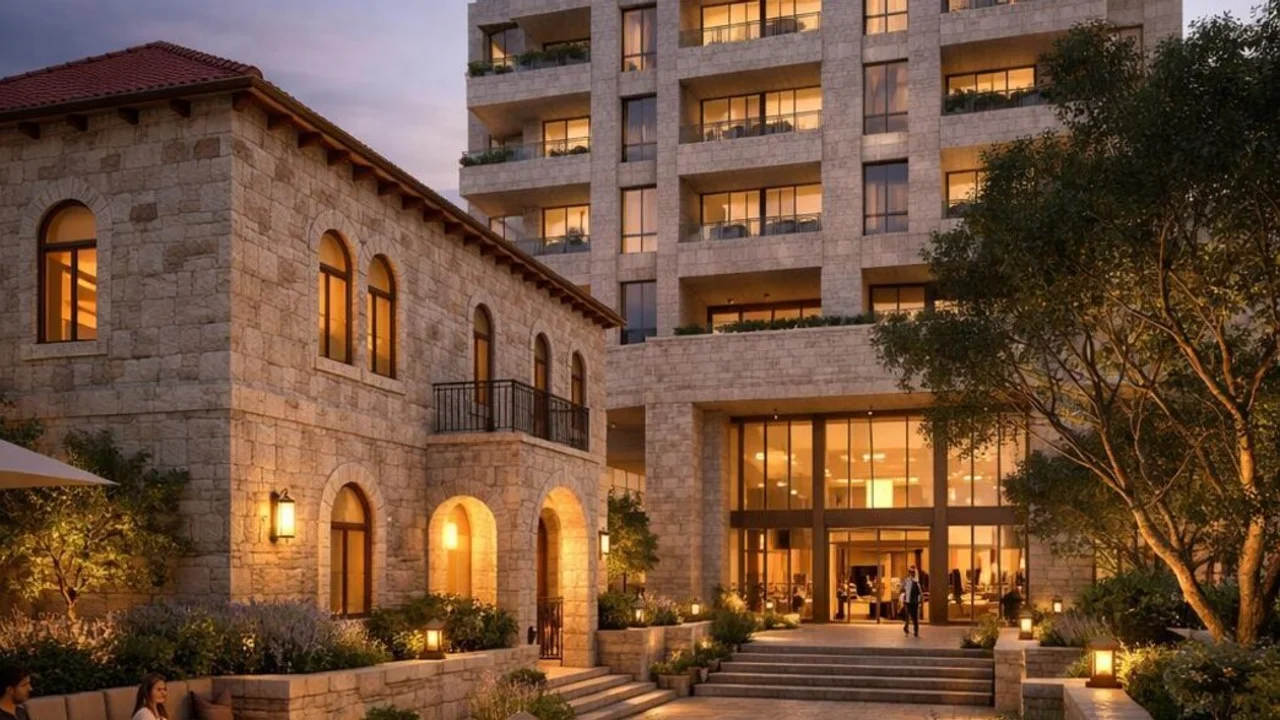
Developer Warns High Interest Rates Risk Stifling Future Housing Supply
High interest rates risk choking housing supply and driving future prices upward, warns Yonatan Israel of HaAchim Yisrael, urging the central bank to implement proactive rate cuts.
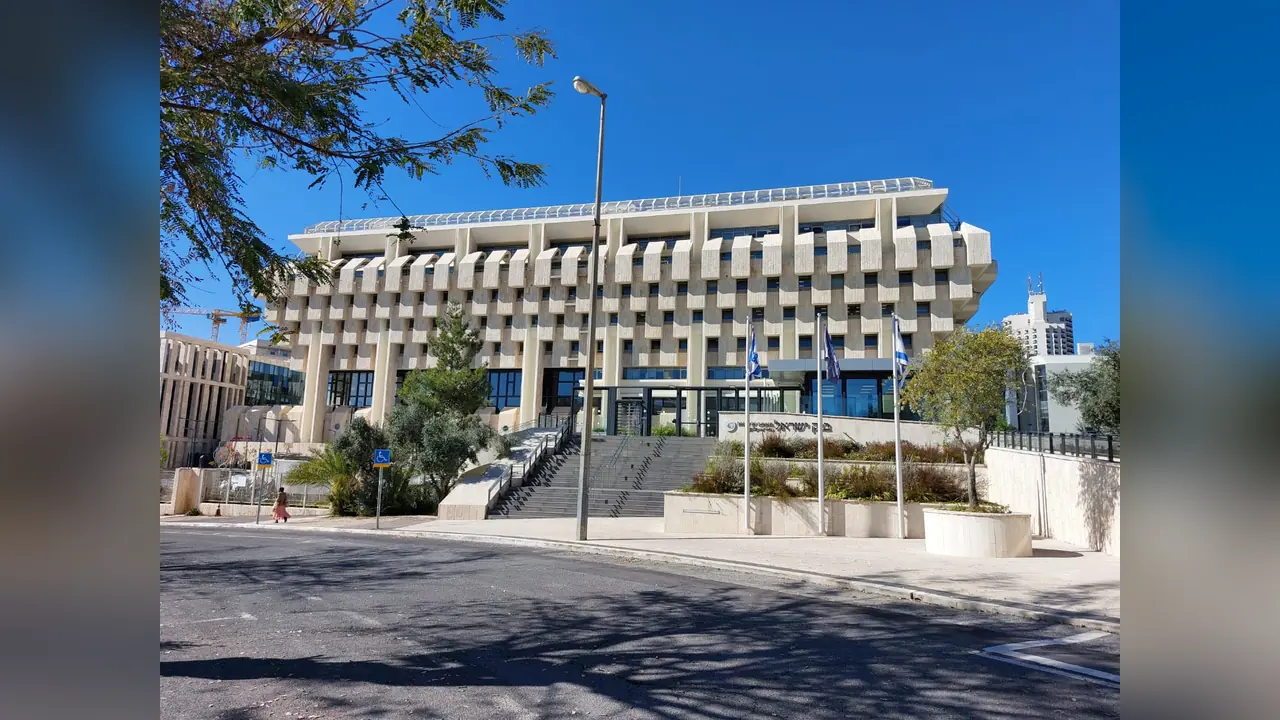
High interest rates maintained over an extended period risk stifling residential supply and driving future housing prices sharply upward, according to Yonatan Israel, Vice President of Business Development at the real estate firm HaAchim Yisrael. Reflecting on current monetary policy, he argued that the central bank must show greater courage in easing borrowing costs before economic activity stalls.
Preserving Future Supply and Urban Growth
Operating as a private family enterprise founded in Jerusalem in 1964, HaAchim Yisrael focuses on residential and commercial assets in high-demand regions such as Jerusalem, Ashdod, and Tel Aviv. Representing the third generation of the founding family, Israel emphasized that prolonged high interest rates affect not only consumer demand but also developer viability. A severe supply shortage down the line would inevitably trigger a sharp surge in property prices, making proactive interest rate cuts essential.
In Ashdod, the company is advancing the "Ro'eh Yisrael" project, designed to encompass approximately 2,050 apartments across 17 buildings. The development integrates comprehensive urban planning, featuring proximity to the railway, the upcoming technological park, internal kindergartens, and planned educational facilities to build complete, cohesive neighborhoods rather than isolated structures.
Expansion in Tel Aviv and Jerusalem
In Tel Aviv's Sde Dov district, the company secured a major land tender in February 2025 to build 424 apartments in the center of the quarter for roughly 792 million shekels, excluding VAT and development expenses. The project features 45-story and 25-story towers alongside perimeter blocks designed by Moshe Tsur Architects, with quiet sales slated to begin in January. The firm notes that while land costs average 1.87 million shekels per housing unit before construction expenses, it has recorded zero deal cancellations to date, supported by stringent contractual terms.
In Jerusalem, where the company's roots lie, market dynamics vary significantly by neighborhood. Projects such as Lynx in Gilo target local upgraders and downsizers seeking community continuity, with prices ranging from 30,000 shekels per square meter to 120,000 shekels per square meter in prime historic areas like Talbiyeh, the German Colony, Bakah, and Rehavia. The luxury segment continues to exhibit strong demand driven by foreign buyers from New York and Paris alongside local religious communities.
Construction Challenges and Safety Standards
Addressing macroeconomic pressures, Israel noted that the official construction inputs index fails to fully capture soaring execution costs, severe labor shortages, and material price hikes over the past two and a half years. To mitigate defects and ensure durability, the contractor-classified G5 firm invests heavily in initial planning and higher material specifications.
Worker safety remains a paramount priority following industry-wide fatalities in recent years. Daily site briefings, rigorous supervision, and active management involvement form the cornerstone of the company's operational methodology, ensuring that direct employees and contractors alike adhere to strict safety protocols across every job site.