Hidden Gut-Brain Neural Pathway Explains How Humans Learn to Love Bitter Tastes
Scientists have discovered a hidden neural pathway linking the gut to the brain that explains how humans learn to love bitter flavors like black coffee. Published in Nature, the study reveals a slow dopamine mechanism driven by internal nutrients.
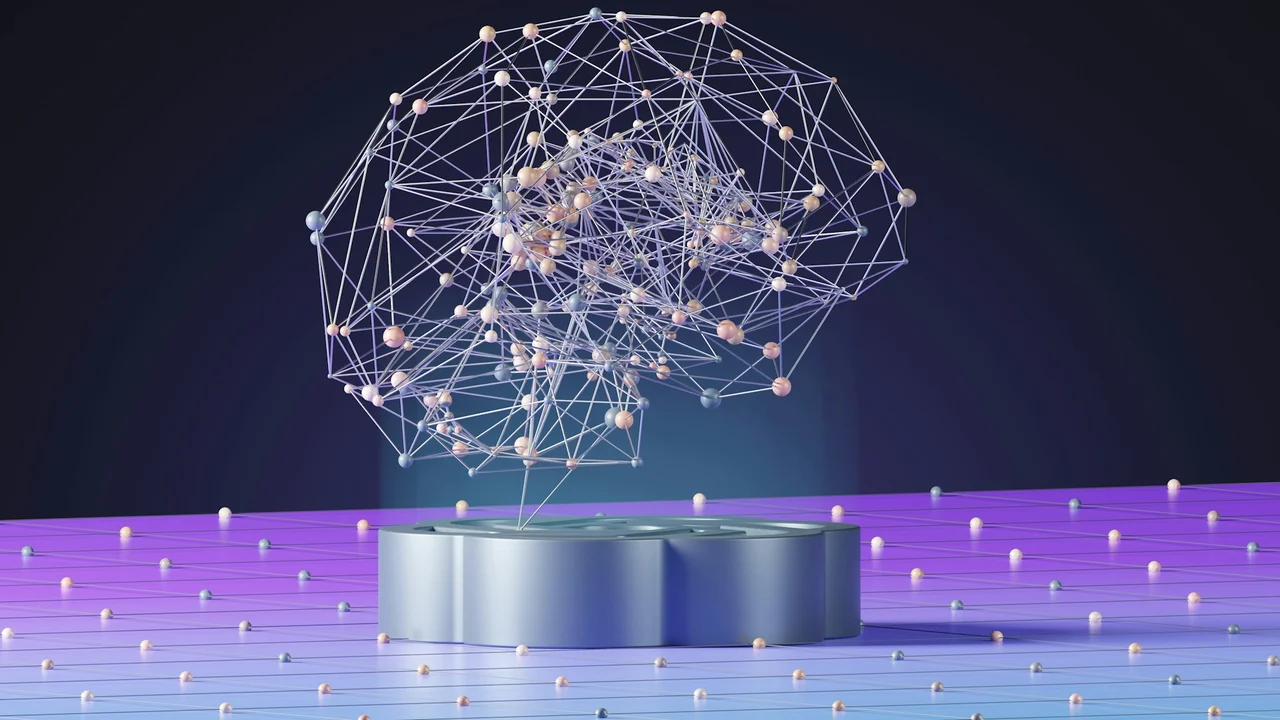
Researchers have discovered a hidden, slow-acting neural pathway linking the digestive system to the brain, which explains why humans learn to enjoy initially bitter or unappealing flavors such as black coffee. Published in the scientific journal Nature, the study was led by scientists from the University of California, San Francisco (UCSF), in collaboration with researchers from Yale University and the Max Planck Institute.
While previous research focused on rapid dopamine signals triggered within seconds by the sight or smell of favorite foods, the newly revealed pathway operates at a much slower pace. It responds to internal signals originating deep within the body as nutrients are processed. "We showed that this slow dopamine system is what drives us to learn to love certain foods over time, and we could see where and how this happens," said Prof. Zachary Knight, a UCSF physiologist and the study's senior author.
From Gut to Brain: The Hidden Circuit
According to the research team, this system operates entirely beneath the radar of daily conscious awareness. Specialized sensors in the digestive tract detect nutritional components such as sugar, fat, or caffeine and transmit signals to the brain. These signals trigger a slow, sustained release of dopamine that builds gradually over several minutes.
To isolate the mechanism from the confounding factor of taste, researchers introduced nutrients directly into the stomachs of laboratory mice. Brain scans revealed a strong and sustained release of dopamine in an area of the brain known as the basolateral amygdala (BLA), which is responsible for emotion and learning. When scientists blocked this pathway in mice, the animals continued to eat normally but completely lost the ability to associate new flavors with caloric or energetic rewards.
Human Studies and Future Implications
Advanced brain scans, including PET and fMRI imaging conducted by study partners in humans, confirmed parallel findings. Researchers at Yale University analyzed brain scans of 13 men and observed concentrated dopamine release in the same brain region following the arrival of nutrients in the stomach. Similarly, scientists at the Max Planck Institute examined 38 adults and noted a surge in activity in that exact region after participants consumed a sweet beverage.
An unexpected discovery was that the brain's response showed asymmetry: in both mice and humans, the gut triggered a significantly stronger dopamine response in the left hemisphere of the brain compared to the right. Prof. Knight noted that this finding surprised the team, as basic survival systems typically operate symmetrically, and his laboratory is currently investigating the underlying reasons.
Looking ahead, the discovery raises intriguing possibilities for modifying dietary preferences and developing treatments for metabolic disorders. Although the researchers did not directly test weight-loss medications such as Ozempic or Mounjaro in this study, Prof. Knight suggests that part of their success may stem from dampening gut-derived dopamine signals, thereby reducing the brain's reward response to high-calorie foods. Future therapies might harness these insights to help individuals retrain their dietary habits, much like learning to appreciate the bitter taste of morning coffee.