Ancient Maya Rituals Caused Severe Mercury Contamination in Yucatán
A study in Science Advances reveals that ancient Maya rituals and widespread cinnabar use caused severe mercury contamination across the Yucatán Peninsula, damaging ecosystems and contributing to societal decline.
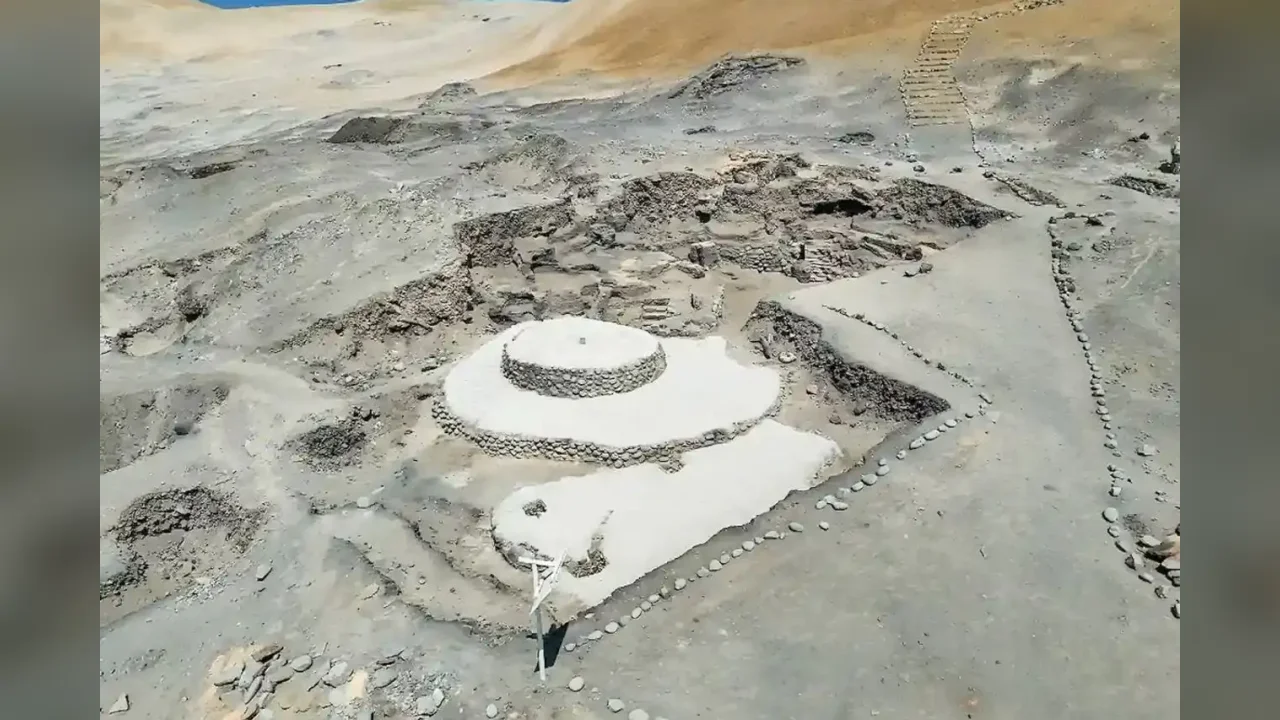
A new study published in Science Advances reveals that ancient Maya rituals, religious ceremonies, and widespread use of cinnabar for red pigments resulted in severe mercury contamination across the Yucatán Peninsula. Researchers analyzing sediment cores spanning more than 2,000 years discovered that mercury levels exceeded modern safety standards by orders of magnitude during the Classic period, ranging from 250 to 920 CE.
Dr. Matthew Neal Walters from Auburn University and his colleagues found that mercury concentrations reached up to 2.3 parts per million in lake sediment cores from sites such as Lago Coba and Cenote Xcach. Since cinnabar is not naturally occurring in the Yucatán Peninsula, researchers conclude the mineral was imported, likely from modern-day Honduras. The red pigment held deep symbolic value for the Maya, representing the sun, blood, and life, and was widely used to paint ceramics, murals, monuments, and burial sites.
The environmental impact was devastating. Analysis of the sediment cores revealed evidence of aquatic food web collapses, marked by a complete lack of freshwater micro-mollusk fossils and a sharp decline in algae blooms during periods of intense mercury use. Anaerobic bacteria in lake beds transformed the washed-in cinnabar into methylmercury, a highly toxic organic compound that poisoned local water sources.
While climate-induced droughts are well-documented stressors for the ancient Maya civilization, researchers emphasize that mercury pollution and declining water quality played a significant, underappreciated role in the gradual collapse of their society toward the end of the Classic period around 850 CE.