Nvidia Executive Controversy Sparks Supply Chain and Autonomy Concerns
A controversy surrounding Nvidia CEO Jensen Huang has sparked concerns in the global automotive industry over potential espionage risks and semiconductor supply chain disruptions, prompting automakers to seek backup suppliers.
A recent controversy involving allegations that Nvidia CEO Jensen Huang was linked to an alleged Chinese agent has sent ripples through the global automotive industry. Major automakers are now expressing concerns over potential espionage risks and tighter regulations, while new market opportunities emerge for alternative autonomous driving developers.
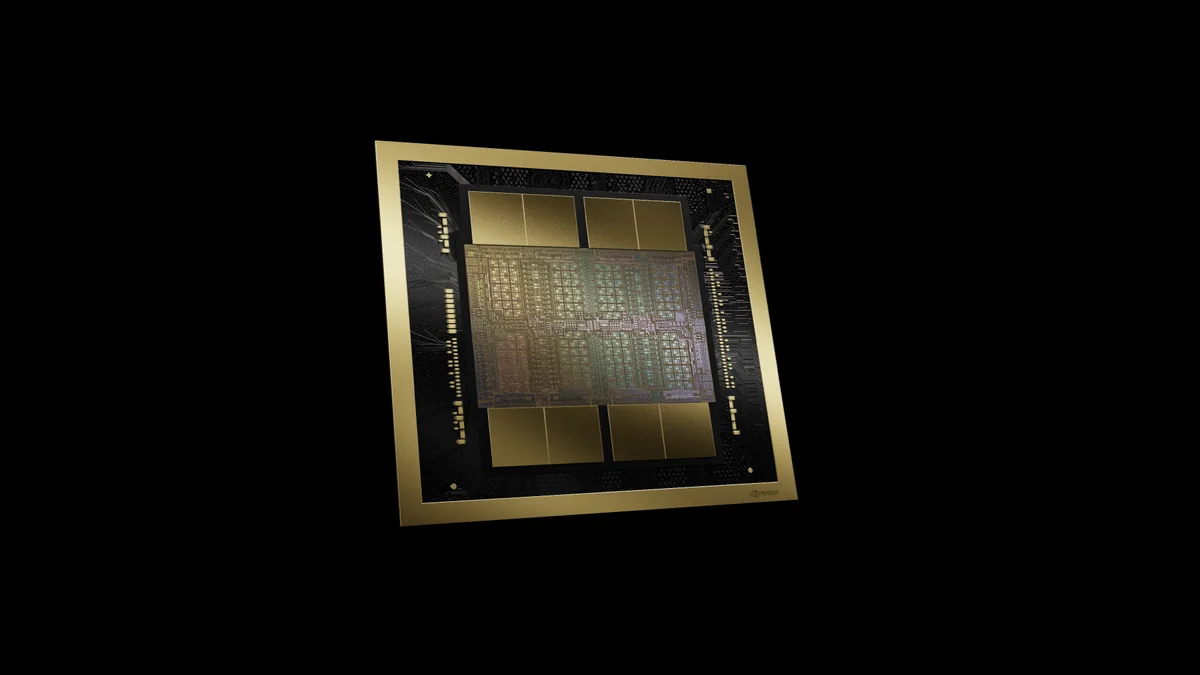
Nvidia has established itself as one of the world's leading suppliers of autonomous driving systems, providing advanced chips and computing architectures to numerous major car manufacturers. In March of last year, the company introduced HYPERION, a comprehensive platform designed to enable Level 4 autonomous driving, allowing vehicle occupants to act strictly as supervisors. During the same month, Nvidia announced that the system would be integrated into upcoming vehicles from Geely, BYD, Isuzu, and Nissan. Additionally, Nvidia collaborates with a broad array of other automakers, including an expanded partnership with Hyundai-Kia for autonomous systems development announced this past March.
Automotive software integration is also heavily dependent on Nvidia's technology. The MB.DRIVE system, engineered to upgrade the semi-autonomous driving capabilities of Mercedes-Benz, was developed using Nvidia's platform. Furthermore, Volvo announced an expansion of its partnership with Nvidia to develop advanced autonomous driving systems. The roster of automotive manufacturers utilizing Nvidia's technology either directly or through subsidiaries remains extensive.
Industry Repercussions and Supply Chain Concerns
According to reports emerging from South Korea, Hyundai has stated that no changes will occur in the company's policy regarding its collaboration with Nvidia. However, industry analysts warn that the actual risks remain significant for several key reasons. First, Huang is widely regarded as the crucial linchpin connecting Nvidia with global automotive executives. While Huang has not been ousted, any potential leadership change could fundamentally disrupt these vital corporate ties.
Moreover, as Nvidia's board of directors investigates potential espionage concerns surrounding the CEO, the company could face delays in rolling out autonomous driving initiatives, which would directly impact major automotive partners. Nvidia also operates under strict U.S. government restrictions governing semiconductor exports to China. Major Chinese automakers such as BYD and Geely rely heavily on Nvidia's automotive chips. Imposing stricter regulations or export controls on Nvidia in the wake of this controversy could trigger severe delays in chip deliveries to Chinese manufacturers, potentially forcing them to postpone vehicle launches or downgrade autonomous driving features.
Finally, the global automotive sector operates strictly on a Just-in-Time (JIT) manufacturing model, meaning automakers are unaccustomed to enduring long delays for components. From the moment a part is manufactured and shipped to the assembly plant, a very short window elapses before installation. Past disruptions, ranging from natural disasters to geopolitical conflicts, have taught the global automotive industry to maintain secondary backup suppliers for every critical component. Although automakers recognize that Nvidia will likely maintain production, this controversy is expected to prompt manufacturers to proactively secure alternative suppliers for autonomous driving chips and systems.