Water Desalination Becomes Soft Underbelly for Gulf States Amid Iran Threats
Water security is becoming a critical vulnerability for Persian Gulf nations amid Iranian threats and massive data center demands, forcing billions in underground storage investments.
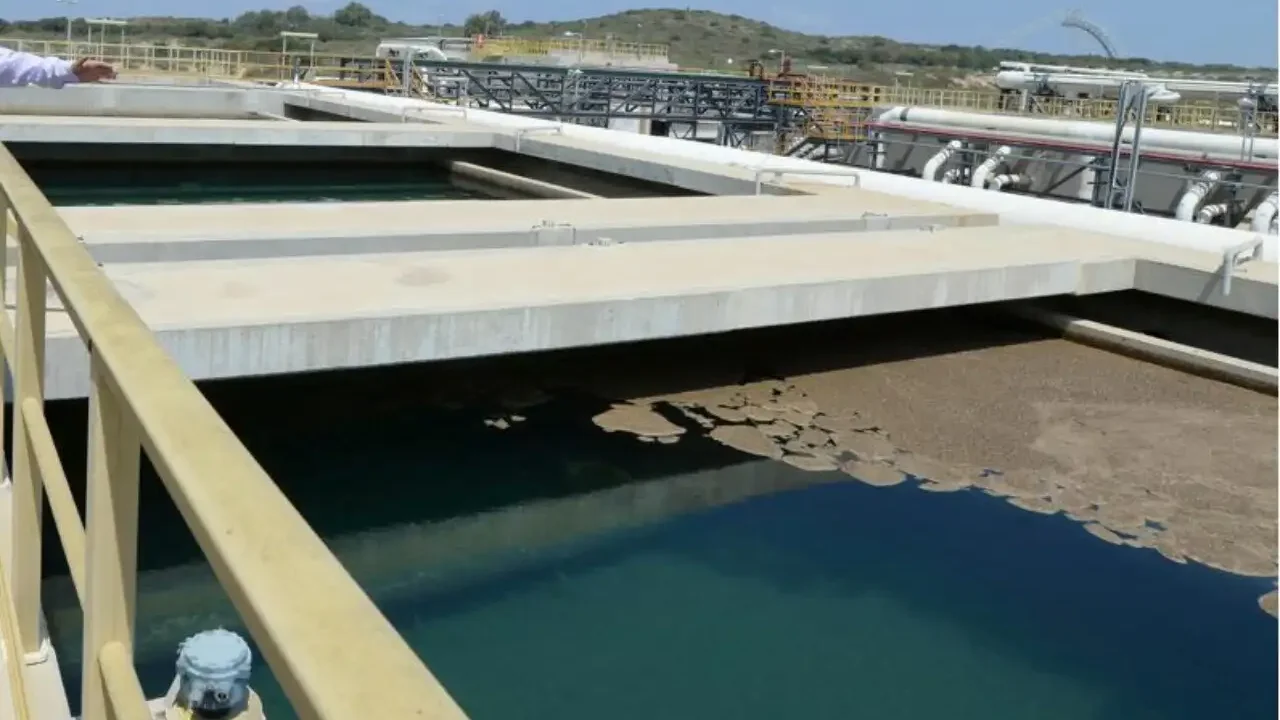
Water security has emerged as a critical vulnerability for Persian Gulf nations, driven by extreme arid climates, scarce natural water resources, and rising geopolitical threats from Iran. These countries rely heavily on advanced desalination infrastructure to sustain their populations and massive commercial hubs, with the broader region currently accounting for roughly 60 percent of global desalination capacity and about 65 percent of future planned projects.
The Growing Threat to Critical Infrastructure
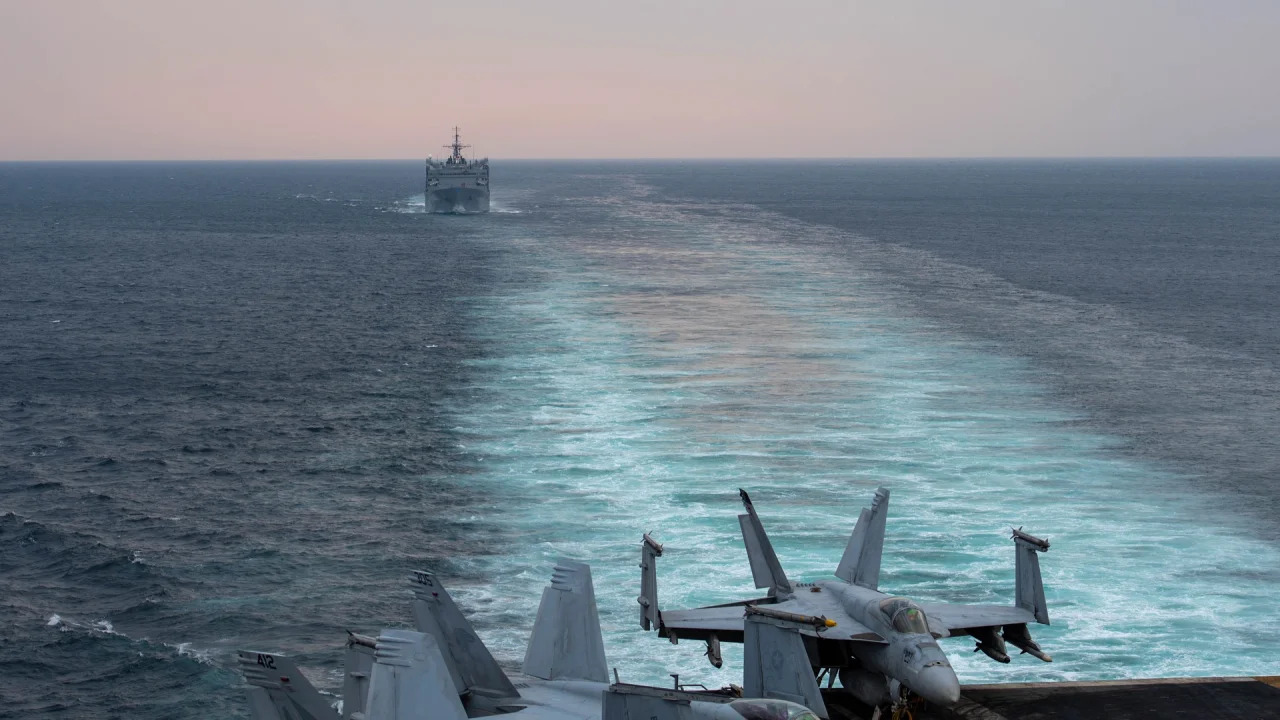
Desalination in the Gulf presents immense logistical and economic challenges due to high water temperatures and low oceanic exchange rates. Furthermore, the ongoing regional conflict has shifted strategic priorities for Gulf states. While pre-war initiatives focused strictly on expanding production output, authorities now prioritize infrastructure defense. Iran has specifically targeted regional water facilities and associated pipelines—which often span hundreds of kilometers—causing operational disruptions even when failing to achieve total system collapse.
Data Center Expansion and Technological Solutions
Compounding the demand for water is the rapid development of massive data center projects across the Gulf. These tech hubs require enormous volumes of water for cooling systems, forcing regional governments to convince major technology corporations to invest despite shaken security perceptions. To safeguard these critical supplies, Gulf states such as Qatar are investing billions in extensive underground water storage reservoirs and advanced conservation technologies.
While Israel holds globally recognized expertise in water desalination and conservation technologies, normalization partnerships have faced diminished political legitimacy following the October 7 massacres. Meanwhile, stalled diplomatic negotiations between Washington and Tehran continue to generate war jitters across the region, though intensifying American economic sanctions maintain heavy pressure on the Iranian regime.