German Auto Crisis Deepens: Mercedes and VW Freeze Investments
Mercedes-Benz and Volkswagen have frozen investments in Germany due to high labor costs, failed union talks, and shrinking export markets in China and the US.
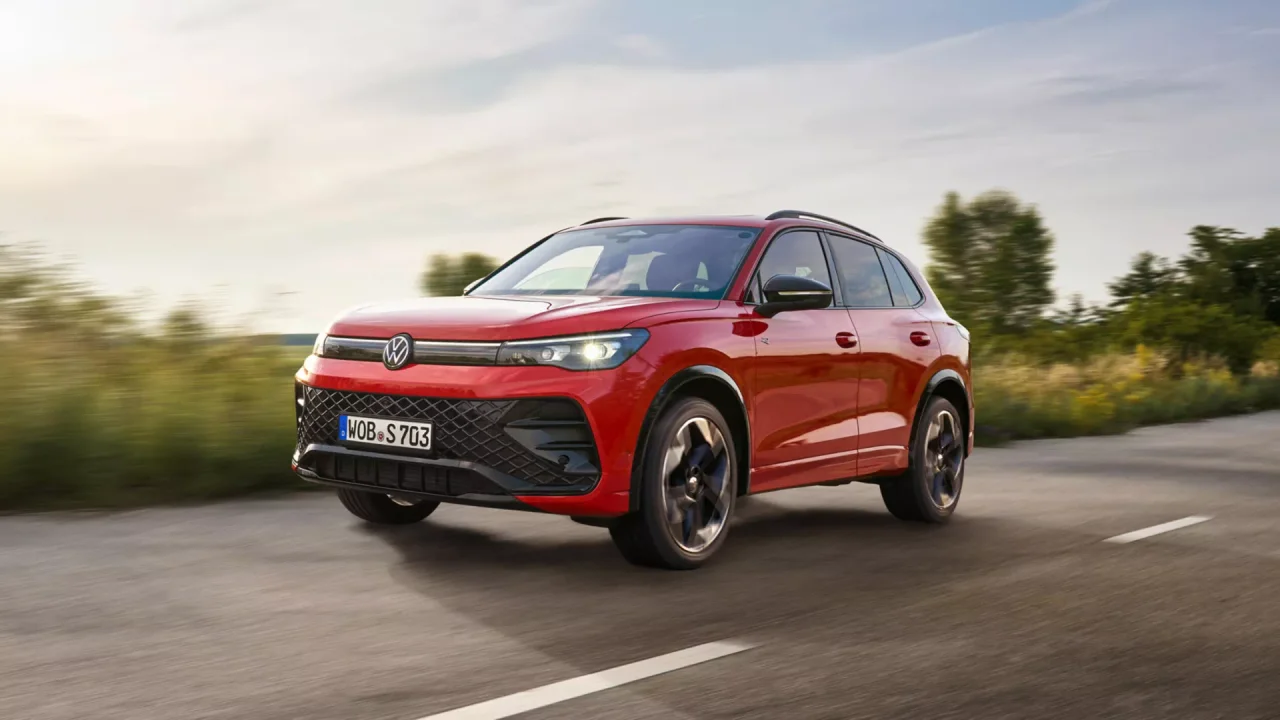
Germany's automotive industry is facing a severe crisis, leading manufacturing giants Mercedes-Benz and Volkswagen to freeze major investments and production expansion plans.
According to reports in Germany, Mercedes-Benz informed employees that it is immediately halting investments at its domestic manufacturing plants and preparing for potential facility closures. This decision follows the collapse of negotiations with powerful labor unions, such as IG Metall, regarding wage cuts. High labor costs for manufacturing and research and development personnel in Germany have heavily weighed on automakers.
Michael Schiebe, production manager at Mercedes-Benz, stated in an internal memo to workers that management jointly decided to halt future investments at domestic facilities. Meanwhile, Volkswagen is also scaling back its restructuring program, canceling a costly initiative intended to adopt advanced manufacturing techniques borrowed from Tesla and Chinese automakers.
The canceled plan would have seen Volkswagen's headquarters plant in Wolfsburg transition to cheaper production methods using giant metal casting presses for vehicle frames, a technique successfully utilized by Tesla at its Berlin Gigafactory. The initiative was projected to cost billions of euros.
These developments reflect deep-seated challenges across Germany's automotive sector. Beyond high labor costs, automakers have seen export markets shrink significantly in China, where local manufacturers have captured major market share, and in the United States, where protective tariffs implemented by Donald Trump have made European-manufactured vehicles less competitive for American consumers.