SpaceX Starship 15th Test Flight Set for Historic Double Catch
SpaceX prepares for the 15th Starship test flight, attempting to simultaneously catch both the booster and spacecraft using launch tower mechanical arms in South Texas.
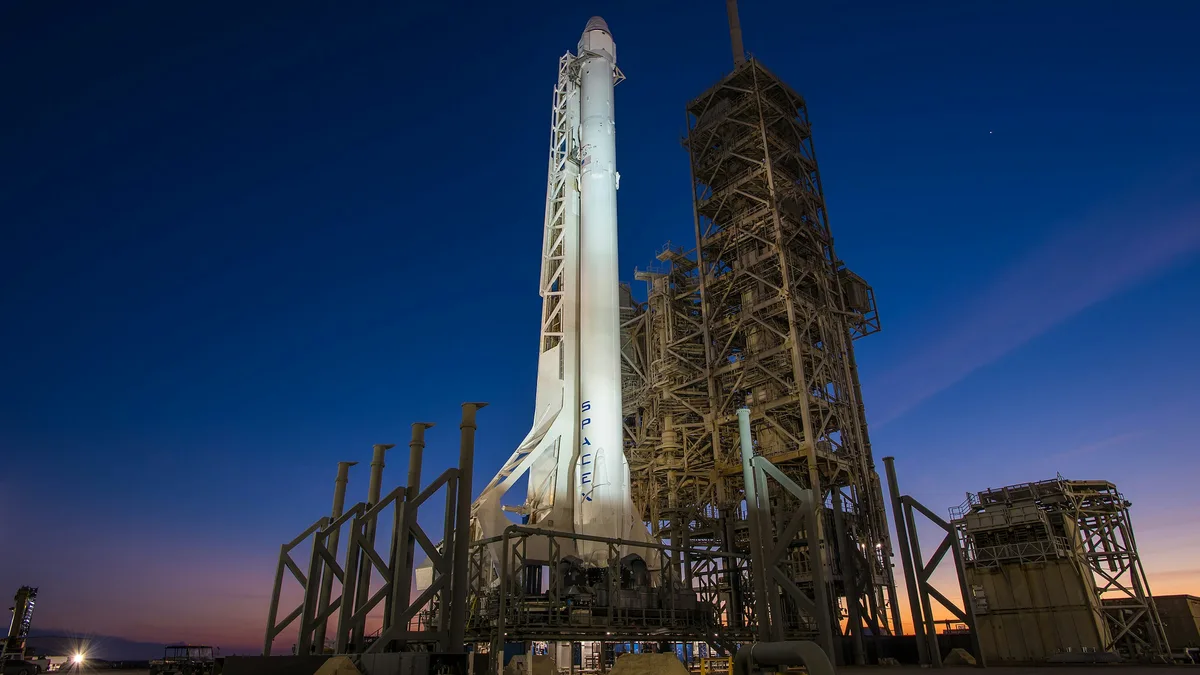
SpaceX is preparing for the 15th test flight of the Starship system, attempting a historic double catch in South Texas: capturing both the Super Heavy booster and the Starship spacecraft using the launch tower's mechanical arms. While SpaceX has successfully achieved three booster catches with second-generation rockets, this will mark the first attempt with a third-generation booster and the first-ever attempt to catch the returning spacecraft from space.
The launch window is set to open at 0:45 AM Israel time between Friday and Saturday. The booster catch attempt is scheduled approximately 6.5 minutes after liftoff, while the spacecraft enters Earth orbit to complete 14 orbits at an altitude of approximately 275 kilometers. If all parameters align, SpaceX plans to land the spacecraft approximately 22.5 hours after launch, around 23:17 Israel time on Saturday night.
During the flight, the spacecraft will deploy 26 third-generation Starlink satellites into Earth orbit, continuing the configuration from the previous mission. Three satellites are equipped with specialized cameras to document the spacecraft in orbit and inspect heat shield tile integrity following launch and atmospheric reentry. SpaceX has refined tile bonding methods in areas prone to high thermal stress and aerodynamic friction.
"If successful, this test will mark the first fully recovered orbital launch system and a breakthrough moment in making Starship a reliable, rapidly reusable rocket with a fast turnaround rate," SpaceX stated in its mission overview. The accelerated testing schedule is driven by competition with Blue Origin for the Artemis lunar human landing system and SpaceX's ambition to deploy Starship for routine Starlink deployment and future space-based data centers.