Hungary's Electric Vehicle Battery Boom Faces Environmental Reckoning
Hungary's booming Chinese-backed electric vehicle battery sector faces mounting pressure following environmental suspensions, regulatory clampdowns, and a major political shift.
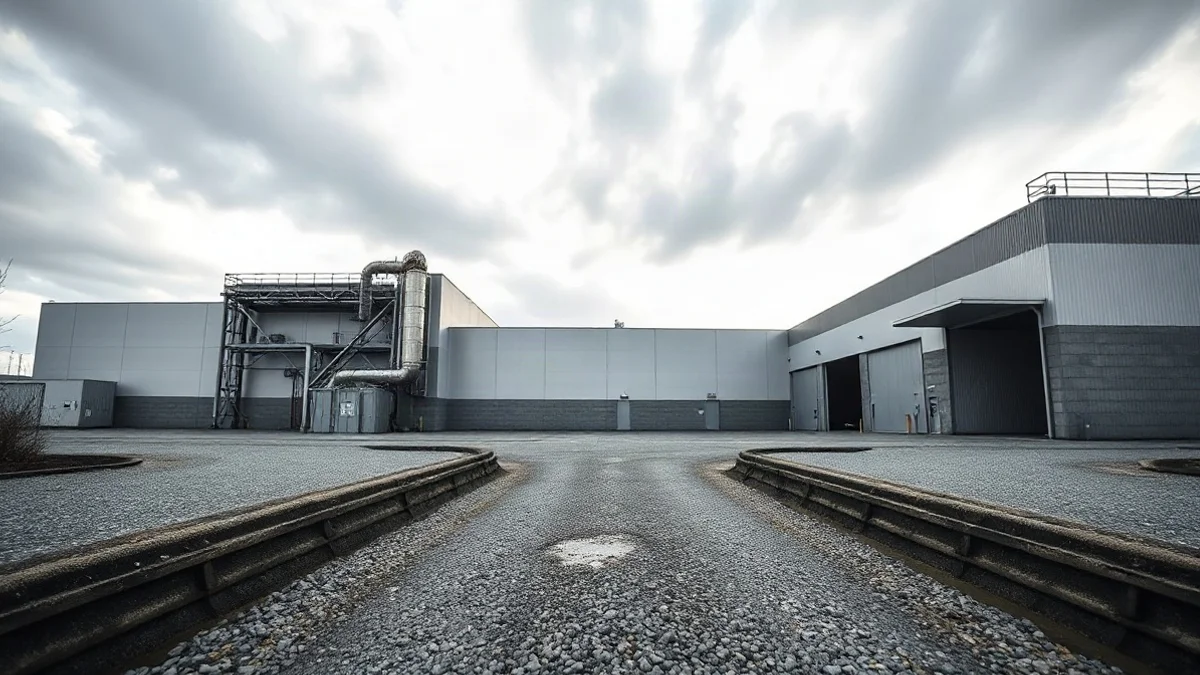
Hungary has rapidly emerged as a major hub for Chinese battery manufacturing, attracting massive investments from global giants. However, environmental violations and political shifts are now threatening this lucrative sector.
Crackdown on Environmental Violations
On June 24, Hungarian regulators ordered the suspension of production at the SEMCORP battery separator plant in Debrecen following findings of heavy metal contamination in water samples. Shortly after, on July 3, authorities enforced a total halt to operations due to severe fire safety breaches. SEMCORP, a leading global producer of battery separators essential for lithium-ion cells used by Panasonic and CATL, joins a growing list of companies facing regulatory scrutiny.
The expansion of foreign manufacturing stems from Hungary's "Opening to the East" policy initiated by former Prime Minister Viktor Orban in 2010. Seeking to attract billions in Asian investments, the government offered generous subsidies, tax exemptions, and lenient oversight. However, this strategy triggered severe environmental degradation, including toxic chemical leaks in groundwater near facilities operated by Samsung SDI and others, prompting widespread public protests.
Political Shifts and Industry Future
The political landscape shifted dramatically when Peter Magyar assumed power in May following an election campaign centered on anti-corruption and environmental reform. The new administration has launched rigorous investigations into regulatory failures and political ties, including the appointment of former Foreign Minister Peter Szijjarto to a senior role at BYD.
While major manufacturers like CATL, BYD, and EVE Energy continue to operate massive facilities, the era of unhindered expansion has officially ended. With 150,000 workers employed in the automotive sector, total industrial dismantling remains unlikely, but stringent environmental oversight is now the new reality.