France Faces Nationwide Protests as European Generational Divide Deepens
France faces a fifth Saturday of nationwide protests over living costs and education, highlighting a broader European generational divide where aging populations outspend youth budgets.
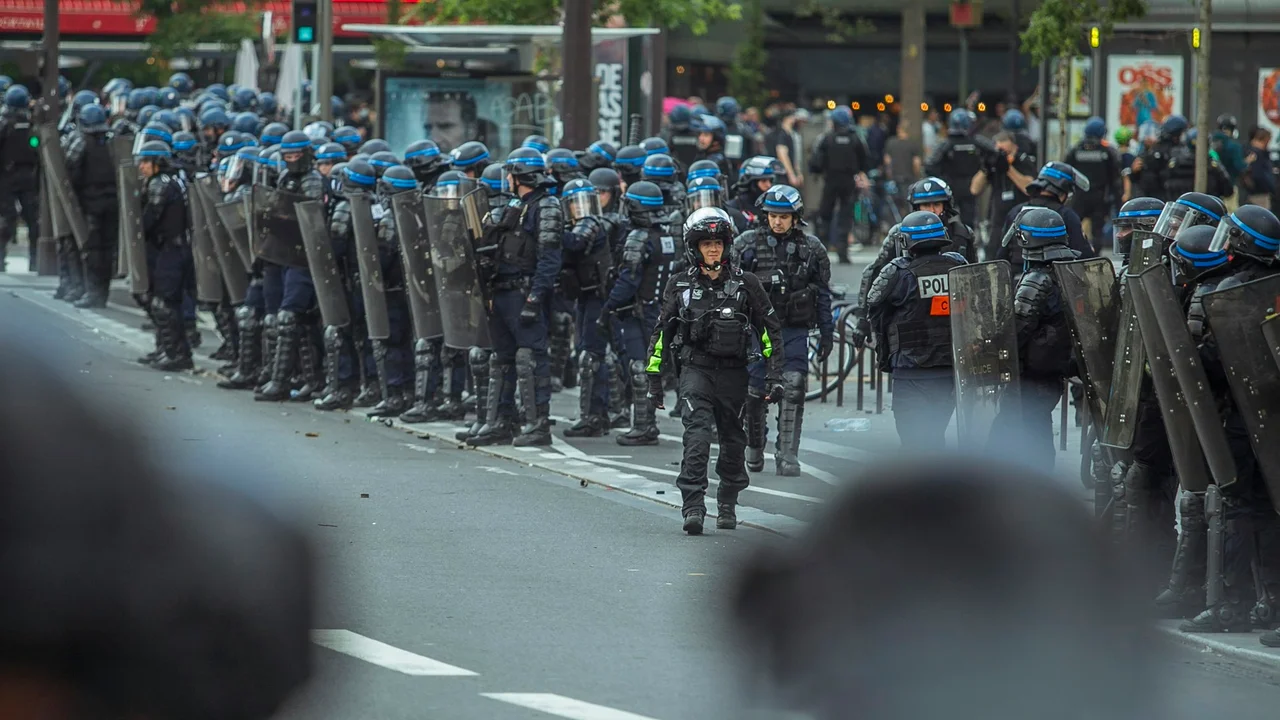
France is bracing for its fifth consecutive Saturday of nationwide protests against the rising cost of living and in support of student demonstrations, with authorities deploying some 70,000 police and gendarmerie officers. In Paris, the central march is set to depart from Place de la République to Place de la Nation via the Bastille, drawing an estimated 30,000 to 60,000 demonstrators. Police intelligence warns of potential clashes and the presence of hundreds of radical activists.
The protests connect demands for purchasing power and educational conditions with opposition to child violence and a security weapon bill. Last Saturday saw 146,000 demonstrators across the country, down from previous weeks. The movement began in September with student demands for educational reform and expanded into a broader socioeconomic protest.
Generational Conflict Across Europe
This generational friction is intensifying. Sébastien Ducros, a 36-year-old French data analyst supporting the protests, criticized government budget allocations. "A huge chunk of the money goes to retirees, while other things are neglected," he said. Conversely, 70-year-old Laurent Grunewald, a recently retired postman, is reluctant to see his pension cut amid soaring living costs.
This disagreement reflects a broader European dilemma seen in Belgium, Germany, Greece, Italy, and Portugal. As populations age, public spending on retirees often crowds out services for younger workers. Jorge Galindo, head of a Spanish independent research institute, described the situation as a generational clash.
Pensions and Economic Strain
Pensions consume roughly 40 percent of social protection expenditures, prompting many nations to raise retirement ages. President Emmanuel Macron's 2023 attempt to raise the retirement age to 64 sparked massive protests. Spain tied pensions to inflation while absorbing over 1.7 million migrant workers since 2018, yet expects to spend about 17 percent of its GDP on pensions by 2050.
Many young people feel left behind. Alejandro Rujano, a 28-year-old bank clerk from Madrid, earns less than 2,000 euros a month and watches his grandparents receive significantly higher pensions. Despite resource competition, many young people rely on family support, as soaring housing costs and high interest rates squeeze younger generations.