Expelled by Orban, Soros-Founded University Considers Return to Budapest
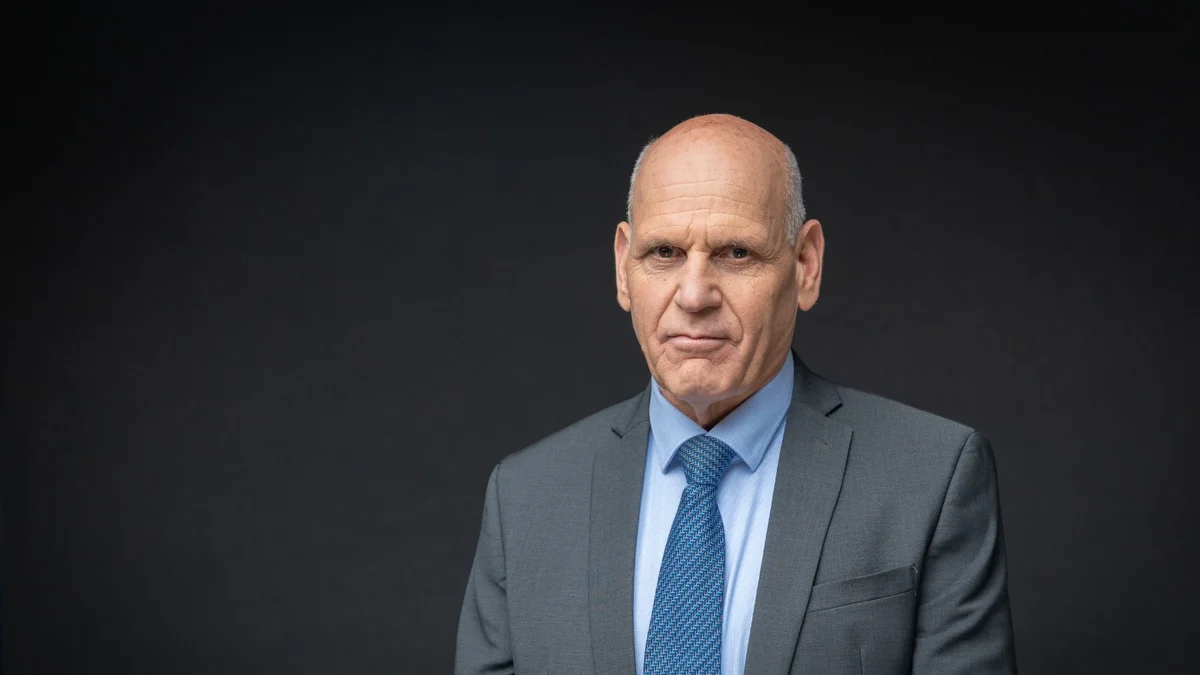
The Central European University, expelled by Viktor Orban, considers returning to Budapest following a change in government. Interim president Carsten Q. Schneider notes potential for academic freedom revival.

The Central European University, forced out of Hungary following pressure from Viktor Orban's government, is considering expanding its operations back to Budapest following a change of power in the country, according to reports. The move could signal a significant shift in the status of academic freedom in Hungary after years of clashes between the government and higher education institutions.
The Central European University was founded in 1991 by Jewish-American billionaire George Soros, who engaged in a prolonged confrontation with Orban's government. In 2017, the government promoted an amendment to the higher education law that required foreign universities to conduct academic activities in their home countries as well. Although the government claimed the law aimed to ensure oversight and transparency, critics viewed it as an attempt to target the institution associated with Soros. Following the legislation, the university was forced to move the bulk of its operations to Vienna in 2019. A year later, the European Court of Justice ruled that the new requirements violated European law.
Now, following the landslide victory of Peter Magyar in elections and his pledge to restore academic freedom to the country, the university is examining the possibility of expanding its presence in Hungary. Carsten Q. Schneider, interim president of the university, told the press that no official talks have been held yet with the new government, but both sides have expressed a willingness to dialogue. "We are reaching out, and they are reaching out. They simply have a lot of things to handle," he said.
Schneider clarified that the university does not plan to leave Vienna and return fully to Budapest, and that any expansion of its activities in Hungary will be conditioned on maintaining educational quality and independent funding independent of the government. He noted that strengthening the university's status in the country would serve as "a symbol of academic freedom and resilience."
Meanwhile, Schneider pointed to another phenomenon: an increase in the number of American students seeking to study at the university. According to him, for the first time in the institution's history, Americans make up the largest group among master's degree students, accounting for 10% of all students in these programs.
Regarding Hungary's political future, Schneider said the country could become a global model for restoring democracy after illiberal rule. However, he warned that defeating Orban does not guarantee success in building a stable democratic system, adding that Magyar's true test will come when public support wanes and he faces political opposition.