U.S. and Turkey Face Narrow Window to Resolve F-35 and S-400 Standoff
The U.S. and Turkey face a five-week window before Congress changes hands to resolve the S-400 dispute, lift sanctions, and potentially return F-35 fighter jets to Ankara.
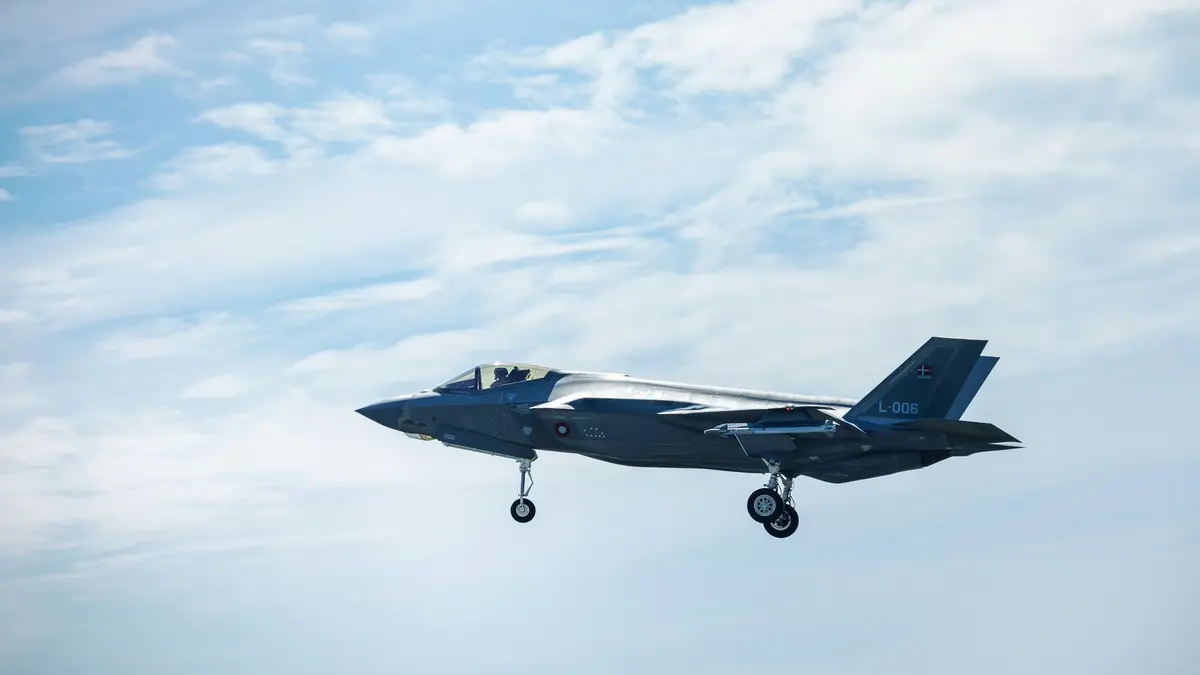
The United States and Turkey face a narrow window of opportunity to resolve one of their most protracted defense disputes: Ankara's acquisition of Russian S-400 air defense systems, which led to its expulsion from the F-35 stealth fighter program. According to a commentary published by the Turkish outlet Türkiye Today, the outcome of the U.S. midterm elections could accelerate efforts to find a solution before Democrats take control of both houses of Congress in January 2027.
A Tight Window Before Congress Shifts
President Donald Trump's administration and the Republican congressional leadership have approximately five weeks to craft a framework that allows Turkey to divest from the S-400 systems, lift U.S. sanctions, and reclaim six F-35 fighter jets originally built for Ankara and currently stored in the United States. The crisis began in 2017 when Turkey decided to purchase the Russian systems despite U.S. warnings. In July 2019, Washington removed Turkey from the F-35 program, and in December 2020, it imposed sanctions under the CAATSA statute.
Under U.S. law, transferring F-35 aircraft to Turkey remains prohibited as long as Ankara retains the S-400 systems. A State Department letter in July outlined additional conditions, including a firm commitment that Turkey will not reacquire the Russian hardware. With the incoming Congress poised to shift control to the Democrats, lawmakers may adopt a less accommodating stance. The current Republican-led Congress must complete budget negotiations by December 11 and advance the defense budget bill for fiscal year 2027.
The Proposed Phased Roadmap
The suggested framework outlines a phased approach. First, Turkey would sell the S-400 systems back to Russia or to a third country in the Gulf, such as the United Arab Emirates or Qatar, subject to Moscow's approval. Once the systems leave Turkish soil, the United States would release the six stored F-35 jets and resume training for Turkish personnel. Following verification that Turkey no longer holds the Russian equipment, Washington would lift defense industry sanctions and deliver the aircraft.
Strategic Challenges and Alternative Options
Significant hurdles remain, including Israeli opposition to transferring the S-400 systems to another Middle Eastern nation. Prime Minister Benjamin Netanyahu reportedly raised concerns with President Trump following a NATO summit. Furthermore, skepticism persists within the Republican party, as highlighted by Senator Rick Scott, who insisted that Turkey must fully relinquish the Russian hardware before receiving any advanced jets.
Meanwhile, Ankara is expanding its air power through alternative channels, having ordered 20 Eurofighter Typhoon jets from the United Kingdom and advancing the domestic KAAN fighter jet program. However, the Turkish defense industry remains dependent on U.S. technology, particularly engines for the KAAN and Hürjet aircraft. Whether both nations can seize this fleeting window to resolve the deadlock before January remains a critical test of bilateral diplomacy.