Foreign Actors Ramp Up Social Media Interference Ahead of Israeli Elections
Foreign actors like Iran and Russia are intensifying social media operations in Israel ahead of the October 27, 2026 elections, aiming to deepen societal schisms and undermine trust.
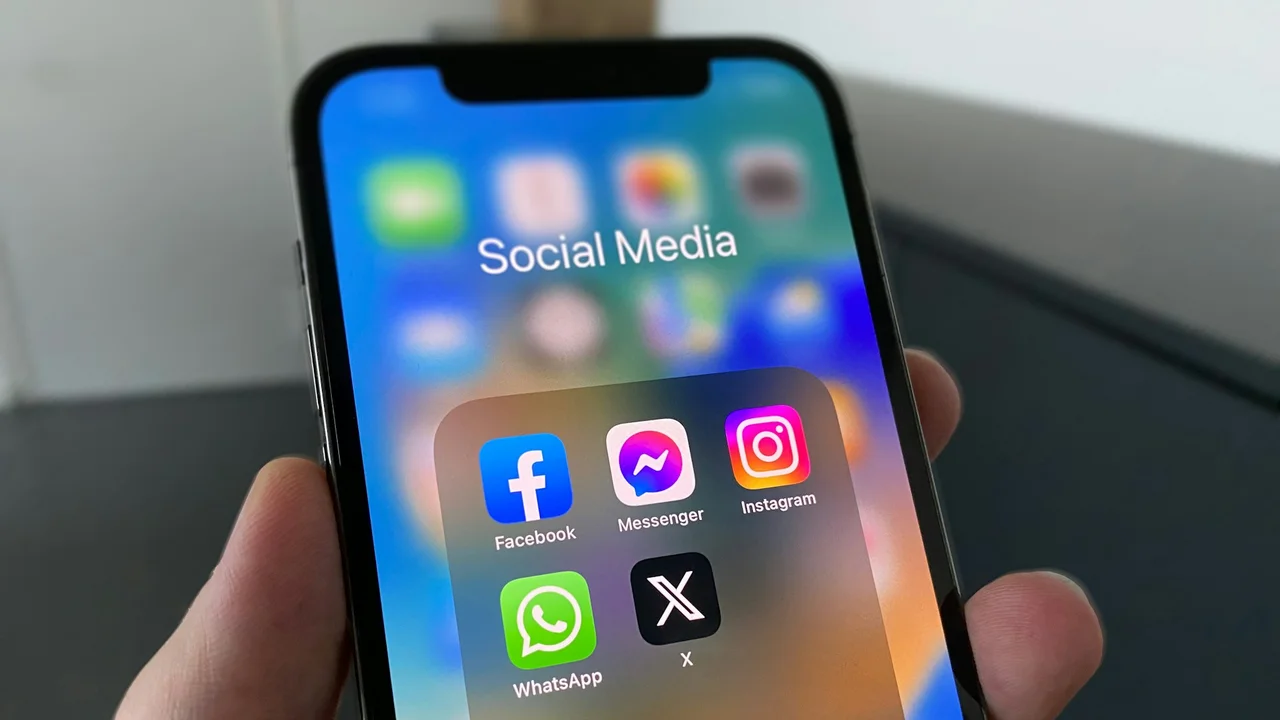
Hostile foreign actors, including Iran, Russia, and the Isnad network, are ramping up their social media activities in Israel ahead of the Knesset elections scheduled for October 27, 2026. This is according to a comprehensive report by the Institute for National Security Studies (INSS) and the Fake Reporter organization, which highlights attempts to exploit existing divisions within Israeli society to deepen schisms and erode public trust in leadership and state institutions.
The research, authored by David Siman-Tov, Danny Citrinowicz, Amit Cohen, Reut David, and Amit Nachmani, is based on digital platform monitoring with assistance from research and cyber firms Xpoz, Golden Owl, Alethea, and ClearSky. The report analyzes covert interference threats identified up to mid-October 2026.
According to the findings, the primary goal of most foreign activity is not necessarily to tilt election results in favor of a specific candidate or party, but rather to leverage the election period to boost existing influence operations. Heightened public attention and political clashes provide these entities with an opportunity to spread controversial messaging, sharpen polarization, and undermine public trust in the democratic process.
Foreign Exploitation of Internal Tensions
The foreign actors are not necessarily inventing new disputes, but rather building on issues that already spark tension in Israel, including ultra-Orthodox conscription, religion-state relations, the failures of October 7, foreign relations, and trust in leadership. By amplifying debates around these topics, they seek to create a sense of helplessness, portray the state as being in irreversible crisis, and sow doubts regarding the legitimacy of election results.
Iran: Fueling Divisions and Damaging National Resilience
According to the report, Iran is a central player in the campaign. From Tehran's perspective, a divided Israeli society lacking trust in its leadership may struggle to muster public support for a broad military campaign, potentially narrowing Israel's diplomatic margin of maneuver.
A prominent feature of Iranian activity is the dissemination of contradictory messages targeted at different audiences. The study documented a network simultaneously spreading messages supporting ultra-Orthodox protests against conscription alongside harsh messages against the ultra-Orthodox public. The report indicates this contradiction shows the goal is not ideological consistency, but the intensification of existing conflicts.
Researchers identified about 150 impersonator accounts on the platform X directly linked to Iran. Some accounts were established as early as Operation "Am Kelavi" in June 2025 and are now utilized for election-related activities.
The Isnad Network: Encouraging Emigration and Despair
Another player mentioned in the report is the Isnad network, an Islamist network affiliated with the Muslim Brotherhood. According to the research, the network is led by an Egyptian opposition activist operating from Turkey and aided by volunteers.
INSS monitoring identified about 100 fake accounts linked to the network, which published some 25,000 posts between August and October 2026. The network's messages focus on undermining faith in the future of life in Israel and encouraging emigration, while framing the elections as a rigged game.
Russia: Undermining Trust in US Relations
The report also addresses the Russian influence operation Doppelgänger, which renewed its activity in Israel in October 2026. Operating through a fake news site mimicking an authentic Israeli outlet, it published fabricated articles in Hebrew aimed at eroding trust in Israel-USA relations.
Detection and Public Vigilance
The report concludes that social media is serving as an arena for foreign influence operations, requiring public vigilance, source checking, and avoidance of automatic sharing of controversial content.