Tony Blair Outlines Plan for Post-Hamas Governance and Israeli Withdrawal
Former British PM Tony Blair stated that disarming Hamas will enable Israeli military withdrawals from Gaza, outlining a plan for an internationally backed Palestinian government.
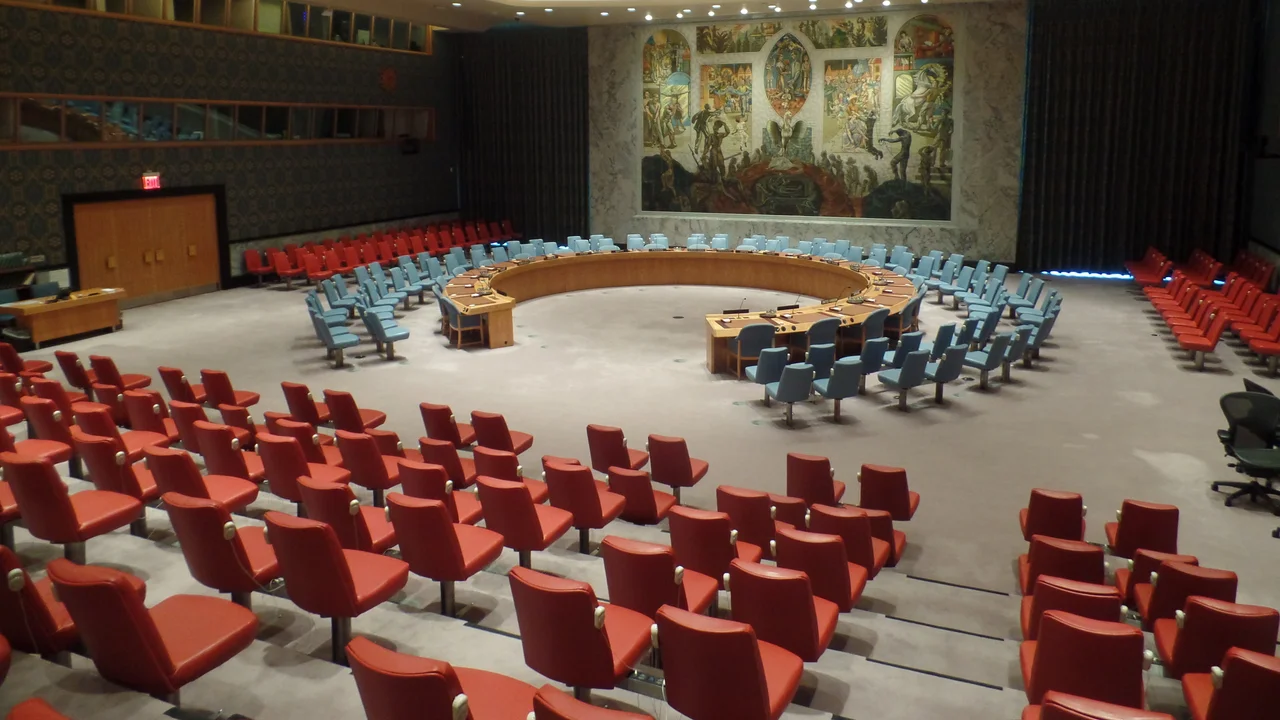
Former British Prime Minister Tony Blair, a member of the Gaza Peace Council, stated in an interview with The Times that the disarmament of Hamas will facilitate the withdrawal of Israeli forces from the Gaza Strip. Blair unveiled details of a comprehensive initiative to replace Hamas governance with an internationally backed Palestinian administration, alongside the establishment of a new civilian police force and an international security contingent. Stressing the necessity of dismantling the terrorist organization, Blair warned that restrictions on the territory will persist as long as Hamas maintains its threats against Israel.
Speaking to journalist Matthew Syed, Blair explained that the blueprint aims to liberate Gaza residents from both ongoing IDF military operations and the grip of Hamas. "The most logical thing—and this is what we are trying to do in Gaza—is to say that you need to free Gaza from the restrictions placed upon it, and that the population should be free from IDF incursions into their territory," Blair said. He added that such a transition requires breaking free from Hamas rule, noting that Israel will maintain security measures as long as the organization remains active in the region.
Structure of the International Plan
The proposed framework relies on United Nations resolutions and outlines a multi-tiered security and governance structure. According to the former prime minister, the plan establishes a new Palestinian government supported by the international community, alongside a reformed security apparatus featuring a civil police force and a multinational security mission. The core objective is to execute the disarmament of Hamas in a sequenced manner that ensures Israeli troop withdrawals correspond directly with militant demilitarization.
Addressing the broader regional context, Blair described the ongoing Middle East conflict as an ideological clash between advocates of tolerant, globally connected societies and political Islam movements that weaponize religion. Connecting this dynamic to the Israeli-Palestinian conflict, he highlighted that Hamas operates as an offshoot of the Muslim Brotherhood. Reflecting on his extensive diplomatic involvement in the region, Blair expressed enduring optimism regarding the feasibility of a political settlement, while acknowledging that his approach to political transformation has evolved to become more pragmatic and phased following his experiences in Iraq and Afghanistan.