Feiglin Recommends Netanyahu for Prime Minister Amid Volatile History
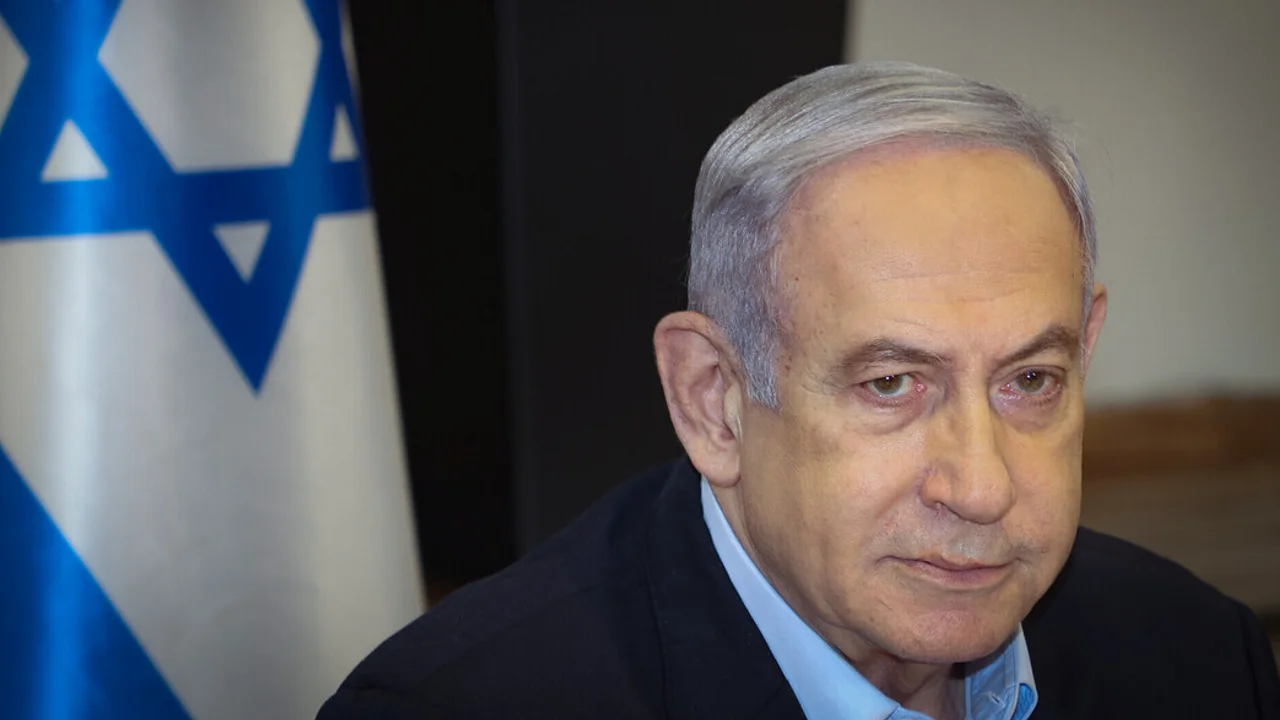
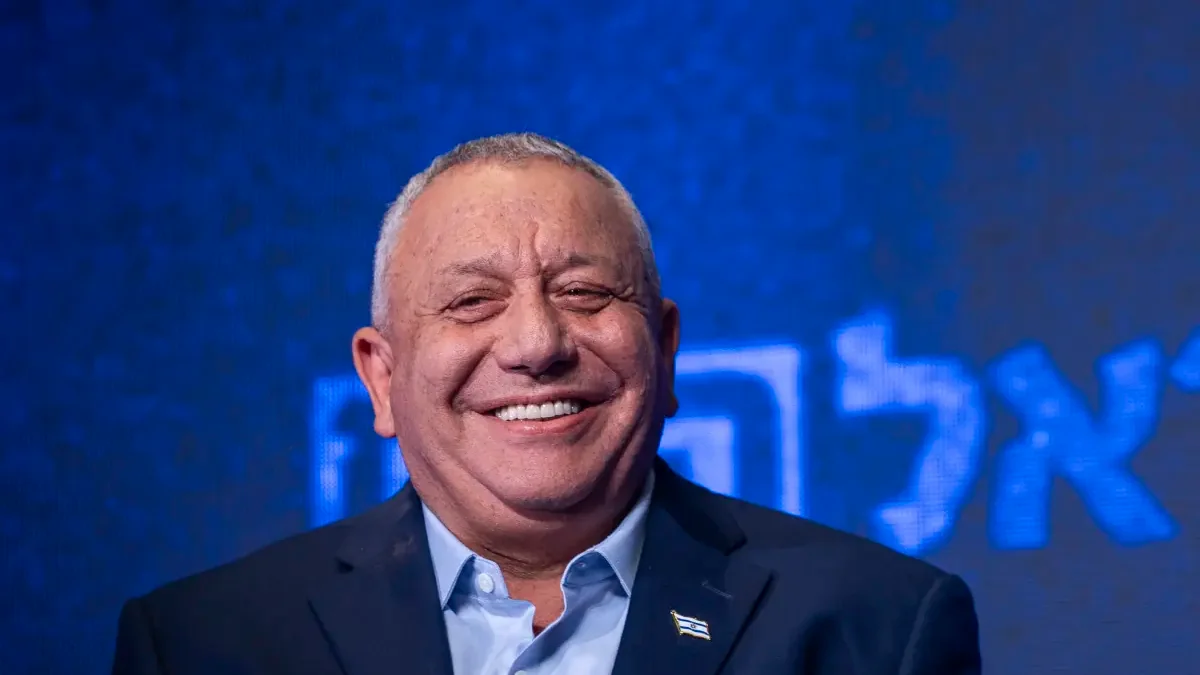
Zehut party leader Moshe Feiglin recommended Benjamin Netanyahu for prime minister during consultations at the President's Residence. Despite a famously volatile 25-year history of political clashes, Feiglin emphasized that the Jewish majority's choice dictated his endorsement.
Following the recent elections, party representatives have begun meeting with Israeli President Isaac Herzog to recommend a candidate for forming the next government. Moshe Feiglin, leader of the Zehut party who entered the Knesset via a technical bloc with Religious Zionism, officially recommended incumbent Prime Minister Benjamin Netanyahu. However, the meeting exposed the longstanding and complex relationship between the two figures, with Feiglin declaring coolly that "this is what we have," noting that the Jewish majority chose Netanyahu to lead.
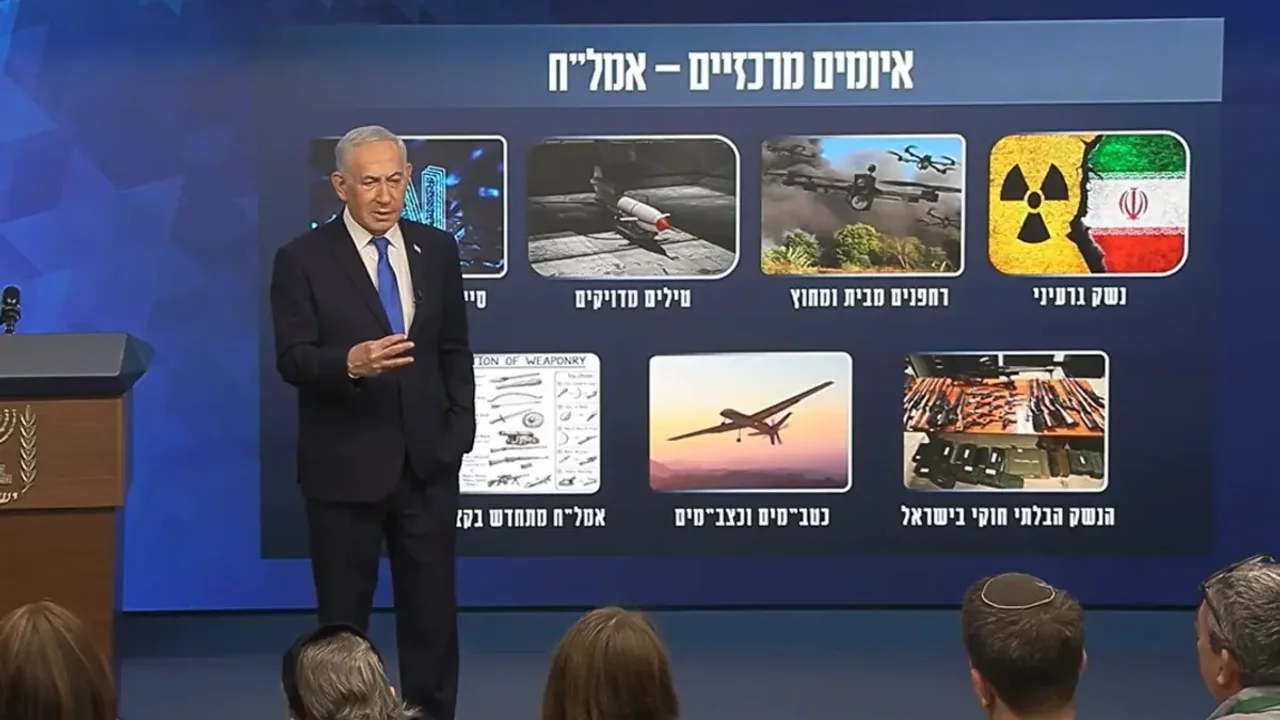
Feiglin and Netanyahu share one of the most volatile and passionate relationships in modern Israeli politics over the past 25 years. Their history spans frontal clashes, accusations of running a "marginal cult," targeted political eliminations, and surprising reconciliations that often ended in disappointment. Netanyahu once summed up their dynamic during a joint press conference as "ups and downs—mostly downs."
Their political friction dates back to 2000, when Feiglin, who gained prominence leading the Zo Artzeinu movement during the Oslo Accords protests, decided to change strategy and take over Likud from within. He and his supporters established the Manhigut Yehudit faction, which Netanyahu viewed as a direct threat to Likud's core identity. The tension boiled over on August 14, 2007, when Feiglin challenged Netanyahu in the Likud leadership primaries. After Netanyahu's defeat in 2006, Feiglin mounted a direct challenge, prompting Netanyahu to launch a harsh media campaign declaring, "Do not lecture us on heritage or the Bible. We are not a marginal cult."
In December 2008, the struggle escalated ahead of the Likud Knesset list compilation. Netanyahu issued a dramatic ultimatum warning party officials against making deals with Feiglin. Four years later, Feiglin entered the 19th Knesset in 2013, serving as deputy Knesset speaker while frequently breaking coalition discipline. The partnership eventually dissolved in 2015 when Netanyahu introduced procedural changes dubbed the "Feiglin Law," pushing him down the electoral list and prompting Feiglin to leave Likud and establish the Zehut party.
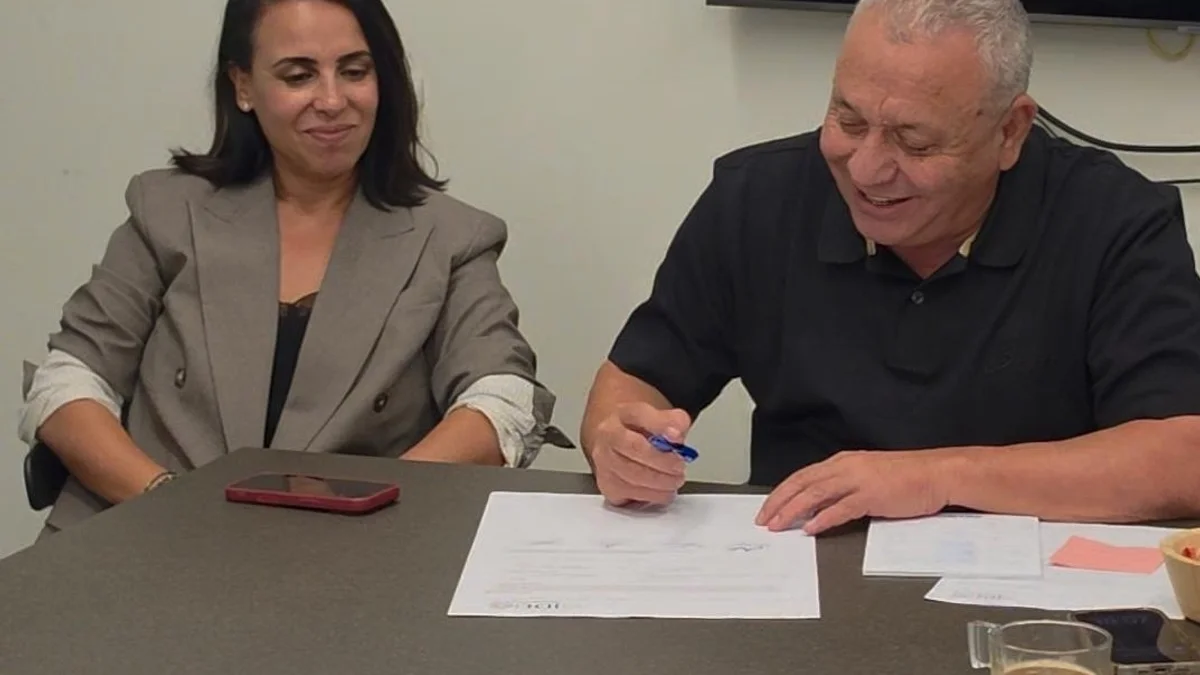
Despite deep animosity, political realities periodically forced cooperation. Ahead of the second 2019 election cycle, with polls showing Zehut risking wasted right-wing votes, Netanyahu summoned Feiglin to the Prime Minister's Residence. The two signed a dramatic agreement in which Feiglin withdrew from the race in exchange for a ministerial post and a push for medical cannabis legalization. Although the promise remained unfulfilled after Netanyahu failed to form a government, the alliance experienced subsequent shifts.
The outbreak of the Swords of Iron war following the October 7, 2023 massacres strained relations further, especially after Feiglin lost his grandson, Staff Sergeant Yair Levin, in combat. Feiglin sharply criticized Netanyahu's wartime management, blamed him for succumbing to American pressure, and temporarily severed ties with Likud before reviving Zehut. Nevertheless, ahead of the latest elections, Feiglin heeded calls not to run independently, joining a technical bloc with Religious Zionism to secure parliamentary representation.
At the President's Residence, despite his lingering criticisms, Feiglin formally endorsed Netanyahu, underscoring the pragmatic yet reluctant nature of their ongoing political alignment. "We are part of the national camp, we are part of the Jewish majority," Feiglin stated. "Since the Jewish majority has chosen Netanyahu to lead, this is what we have, and I am committed to my voters."