FDA Mandates Optic Nerve Warnings for GLP-1 Drugs Amid Market Gains
The FDA mandates new warning labels for GLP-1 drugs like Ozempic and Mounjaro over a rare optic nerve risk, as markets rebound on unrelated trial news.
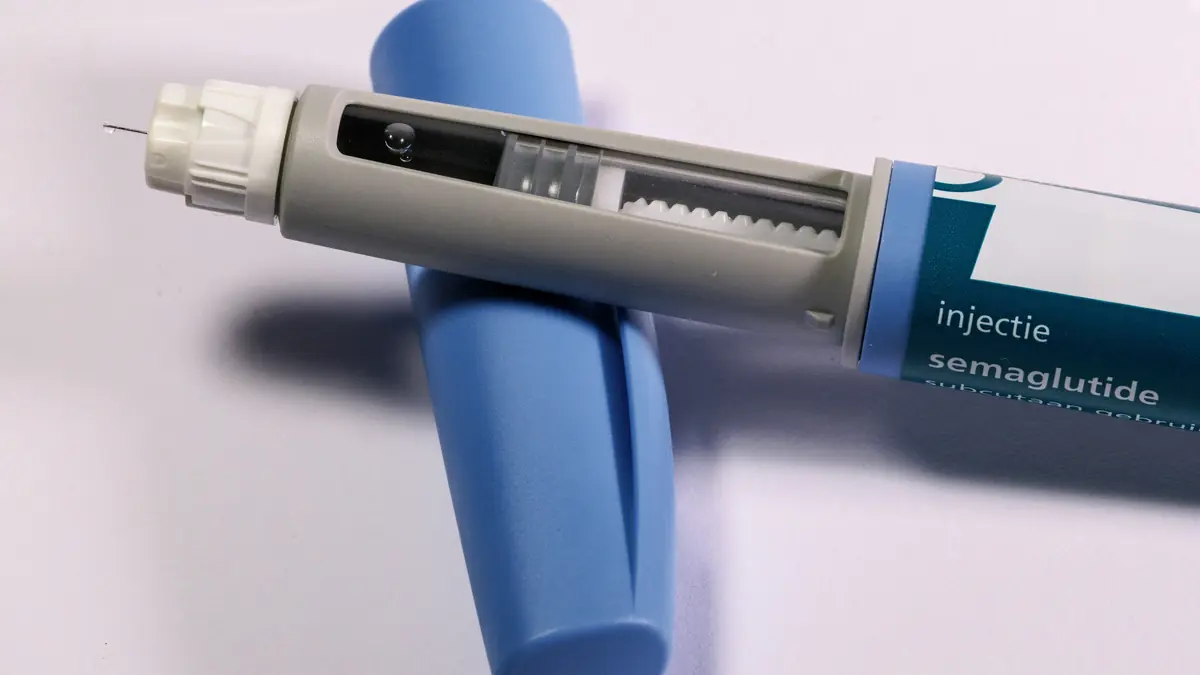
The US Food and Drug Administration (FDA) has announced a mandatory label update for all GLP-1 receptor agonist medications, requiring manufacturers to add a new warning regarding a rare but severe risk to the optic nerve that can lead to permanent vision loss. The regulatory requirement impacts popular treatments used for type 2 diabetes and chronic weight management, including Ozempic, Wegovy, Mounjaro, and Zepbound.
Financial markets reacted swiftly to the announcement, with shares of Eli Lilly—maker of Mounjaro and Zepbound—and Novo Nordisk—manufacturer of Ozempic and Wegovy—initially tumbling. However, both stocks quickly rebounded and surged, gaining 4.1% and 2.6% respectively. The market recovery was driven by unrelated positive catalysts: Eli Lilly reported favorable phase 3 trial results for its oral weight-loss drug Foundayo in treating obstructive sleep apnea, while Novo Nordisk advanced on upgraded financial forecasts and strong third-quarter earnings.
The FDA's decision is based on a comprehensive meta-analysis of 126 randomized controlled clinical trials encompassing 134,253 participants. Among them, 78,217 patients received GLP-1 medications, while 56,036 served in control groups receiving placebos or alternative glucose-lowering therapies. The analysis revealed an incidence rate of 6.4 optic nerve injury cases per 100,000 patient-years in the GLP-1 cohort, compared to 3.8 cases in the control group. This represents a relative risk increase of approximately 68%, translating to an absolute risk addition of 2.6 cases per 100,000 patient-years, or roughly one additional case per 38,500 patient-years.
Despite the large scale of the pooled clinical trials, the total number of identified optic nerve events remained exceptionally small, totaling 15 cases—ten among GLP-1 recipients and five in the control groups. Consequently, health regulators emphasize that these findings require cautious interpretation and do not definitively establish causation or determine the exact magnitude of risk. The specific condition in question is non-arteritic anterior ischemic optic neuropathy (NAION), which occurs due to restricted blood flow to the anterior portion of the optic nerve, potentially causing sudden, painless vision loss in one eye.
While animal studies have failed to identify a biological mechanism linking GLP-1 therapies to impaired optic nerve perfusion, known risk factors for NAION include diabetes, hypertension, smoking, obstructive sleep apnea, anemia, and renal disease. The FDA does not recommend discontinuing treatment based on these findings alone. Instead, the agency advises patients to immediately report any sudden vision changes and urges physicians to evaluate whether to stop GLP-1 therapy if NAION is diagnosed, weighing individual risks against clinical benefits.