Why Athletic Shoes Feature Two Extra Eyelets and How to Use Them
Discover the hidden purpose of the two extra eyelets at the top of your running shoes. Learn how the heel lock lacing technique prevents painful blisters and keeps your feet secure.
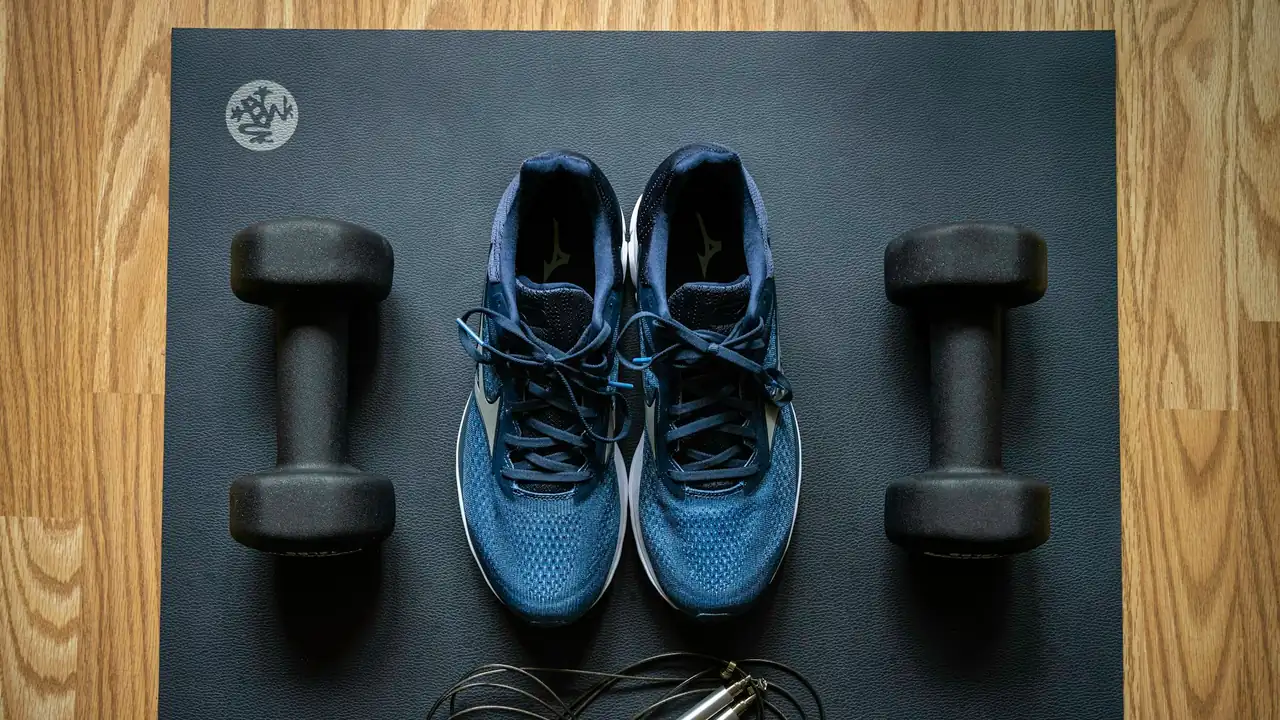
If you examine your athletic footwear, particularly running shoes, you will likely notice two extra eyelets positioned near the top on either side. Most people completely ignore these openings, concluding their lacing routine at the lower rows. However, these specific holes serve a distinct functional purpose designed to optimize fit and enhance overall stability.
Known as the heel lock or runner's knot, this specialized lacing technique secures the rear portion of the foot tightly against the shoe. When the heel slips upward inside the footwear during movement, it creates friction that frequently leads to painful chafing and blisters. Implementing this method restricts excess motion, delivering a firmer and more secure sensation during running, walking downhill, or high-impact athletic training.
To execute this configuration, lace the sneakers normally in a crisscross pattern until reaching the pair of eyelets just below the very top. Instead of crossing the laces over, thread each lace directly upward into the topmost hole on its respective side to form a small loop. Next, take the tip of the right lace and pass it through the left loop, then take the left lace tip and pass it through the right loop. Pull both ends downward to tighten the loops securely across the instep before tying the shoes as usual.
Experts advise against over-tightening the laces, as the goal is simply to stabilize the heel without constricting the ankle or the top of the foot. If the heel continues to slide even after applying this specialized knot, the underlying issue may stem from an incorrect shoe size or an incompatible footwear structure.