Reevaluating Soup Powders: Ingredients, MSG, and Hidden Calories
Nutritional expert Dr. Maya Rozman examines modern soup powders, debunking common myths surrounding MSG and natural ingredients while warning about the hidden calories in soup croutons.
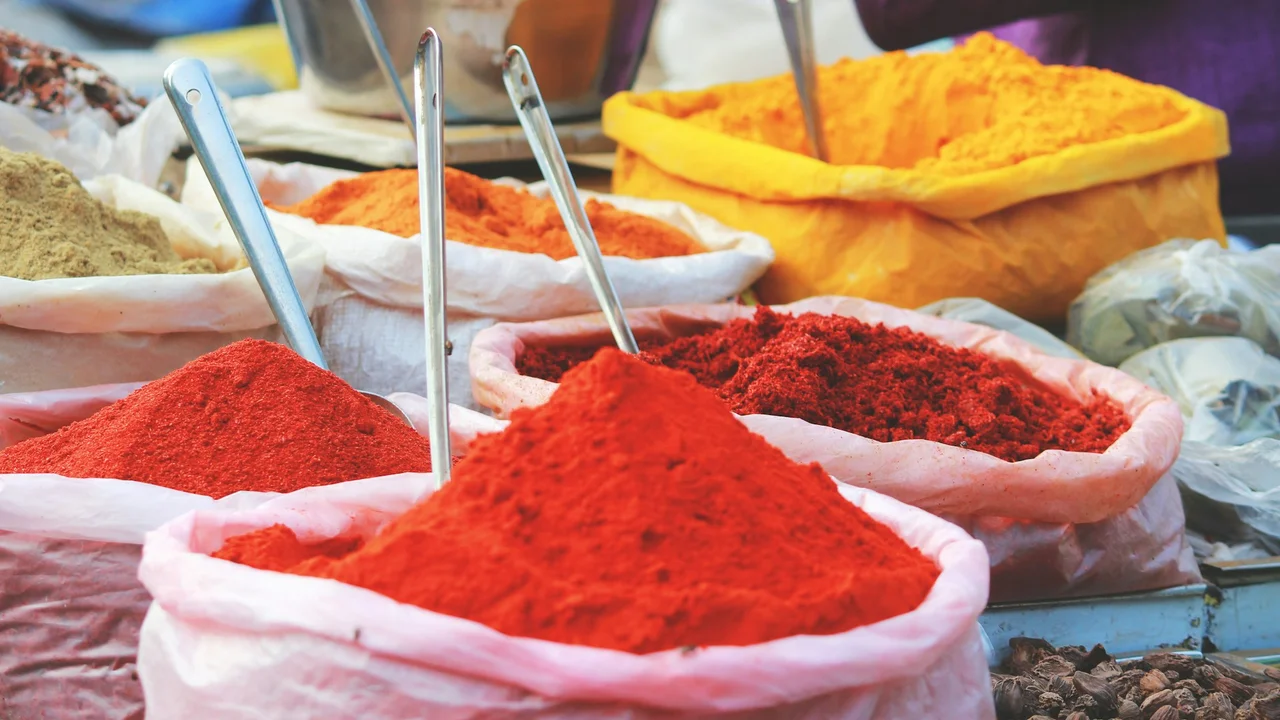
For decades, instant soup powders earned a poor reputation in the kitchen, frequently dismissed as heavily processed concoctions packed with artificial additives, synthetic food colorings, and chemical preservatives. However, the formulation of many modern products has evolved significantly. Today, quality soup powders often consist primarily of salt, dried spices, dehydrated vegetables, and starch used for thickening. When composed of such elements, a soup powder functions essentially like any standard seasoning blend, making a blanket rejection unwarranted.
Inside the Ingredient List
Examining a typical all-natural chicken-flavor soup powder reveals a straightforward composition: maltodextrin, starch, salt, sugar, yeast extract, vegetable oils, onion powder, beet fiber, dried parsley, celery-containing spice extracts, and rosemary extract acting as a natural antioxidant. Maltodextrin is simply a complex carbohydrate or type of sugar, while the remaining components represent familiar culinary elements rather than suspicious chemical additives. The starch provides thickening, oils add richness, and even the antioxidant derives directly from rosemary.
Sodium Levels and Caloric Impact
A single tablespoon of soup powder typically contains between 30 and 50 calories, depending on the specific weight and formulation. When two tablespoons are added to a pot of soup divided into six servings, the caloric contribution per portion is minimal. The sodium content, however, requires more careful management. Soup powders can contain elevated levels of sodium, meaning they should be utilized as a substitute for added salt rather than an extra seasoning. By replacing part or all of the traditional salt shaker with soup powder, home cooks can better control overall sodium consumption in their dishes.
The Truth About Monosodium Glutamate
Monosodium glutamate, widely known as MSG, is a flavor enhancer responsible for generating umami—the savory, rich, and meaty taste characteristic of mushrooms, ripe tomatoes, and aged cheeses. Glutamate naturally occurs in numerous foods, and the human body readily processes and metabolizes it. Modern industrial production typically relies on the fermentation of plant-based raw materials. Although popular belief has long associated MSG with headaches, palpitations, and general discomfort, controlled scientific studies over the years have failed to establish a consistent link between normal dietary consumption of MSG and these symptoms. Regulatory bodies, including the United States Food and Drug Administration, classify the substance as safe for general food use in standard quantities. While highly sensitive individuals may react to exceptionally large doses, scientific evidence does not support the notion that MSG is inherently harmful to the general population.
Marketing Claims Versus Reality
Consumers navigating supermarket aisles must distinguish carefully between front-of-package marketing declarations. A label boasting all-natural ingredients simply indicates a simplified ingredient list free from artificial colorings and synthetic preservatives. Conversely, a no MSG label does not automatically signal a healthier product, as such powders can still contain high quantities of salt, starch, or other additives. Similarly, natural ingredients do not guarantee low sodium levels. Examining the complete nutritional label and ingredient list remains the most reliable approach, rather than relying solely on front-of-box advertising claims.
The Real Nutritional Pitfall: Croutons and Mandlach
For those genuinely concerned about the nutritional profile of a bowl of soup, the greatest caloric threat often stems not from the broth or powder, but from traditional soup additions like croutons and mini soup mandlach. These crunchy toppings pack a significant caloric punch, averaging around 500 calories per 100 grams, with a single ten-gram tablespoon providing roughly 50 calories—surpassing the caloric value of a slice of light bread in some products. Adding four or five tablespoons to a bowl can introduce an uncalculated 200 to 250 calories, equivalent to consuming several extra slices of bread without realizing it. Furthermore, consumers should monitor artificial colorings in these toppings; historically, dyes like tartrazine were widely used, though studies have linked certain artificial dye mixtures to potential impacts on children's attention and allergy triggers. Today, manufacturers frequently substitute natural alternatives like turmeric extract to achieve a similar yellow hue without altering the calorie count. Ultimately, natural soup powders integrate seamlessly into home cooking when used sensibly in place of salt, while moderation with croutons remains the key to maintaining dietary goals.