Wave of Bomb Threats Disrupts European Civil Aviation, Experts Warn
A wave of bomb threats targeting European aviation highlights a tactic of weaponizing security alerts to cause widespread flight disruptions. Experts urge better coordination as dozens of flights face delays and diversions.
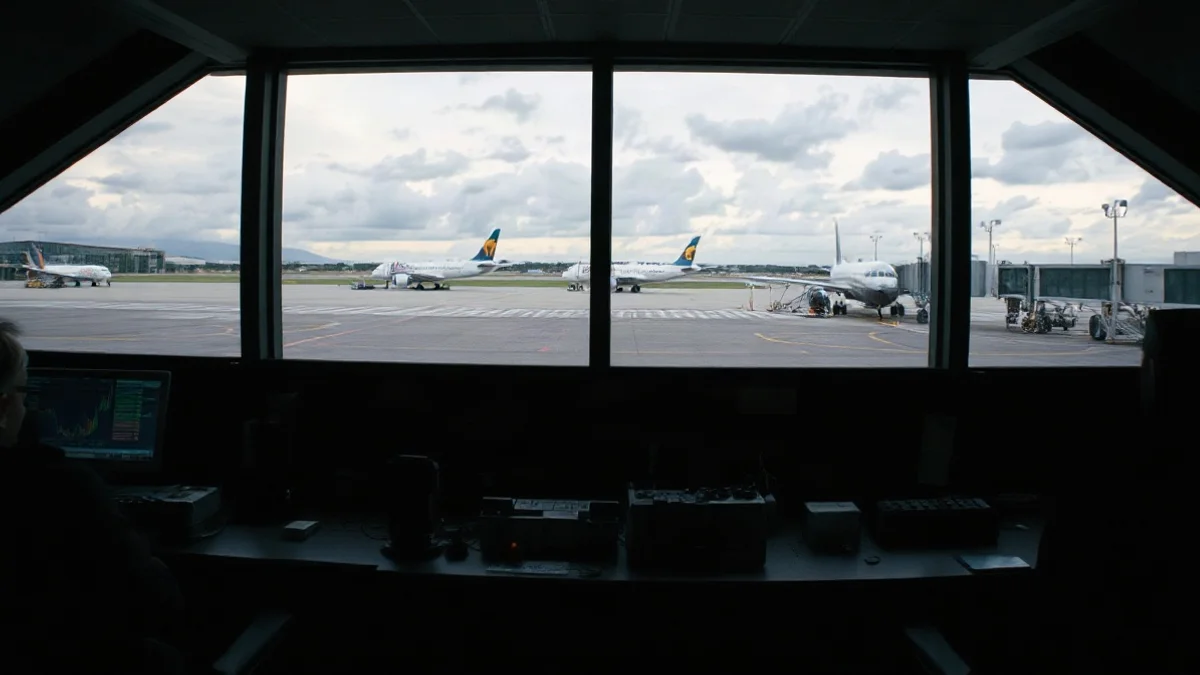
A recent wave of bomb threats targeting civil aviation across Europe has raised serious concerns that anonymous threats are being weaponized to disrupt airport operations without the use of actual explosives. Aviation expert and travel journalist Ewan Currie told Euronews that the primary objective of these threats appears to be exploiting security protocols to trigger widespread flight delays, route diversions, and emergency responses rather than downing aircraft.
"What we are seeing is almost the use of threats as a weapon of disruption, because it is designed to disrupt," Currie stated, noting that individuals intending to smuggle a bomb aboard an aircraft would hardly seek to place every European airport on heightened security alert. Europe currently operates more than 500 civilian airports, each maintaining distinct operational protocols when handling bomb threat reports. While procedures generally involve local police and intelligence agencies, responses vary significantly from one facility to another, potentially exacerbating disruptions.
Flight Disruption and International Incidents
Currie's warnings follow a series of commercial flight scares across the continent. On Thursday alone, at least 25 flights were impacted by security alerts, with similar disruptions continuing into Friday. A notable incident involved a Ryanair flight traveling from Rome to Lisbon. An anonymous phone call to the control tower at Rome's Fiumicino Airport warned of a possible explosive device on board. The aircraft landed safely at Lisbon's Humberto Delgado Airport, where authorities initiated standard security checks, though no explosive materials were immediately confirmed.
Simultaneously, the French Prime Minister's office announced that four additional bomb threats targeting aircraft flying over French airspace were received on Friday morning, prompting formal investigations. Another disruption occurred on a Wizz Air flight from Prague to Rome, which was diverted to Venice following a security alert. European Union officials noted that it remains premature to determine whether these coordinated-appearing incidents are linked or to identify the perpetrators behind the systematic false alarms.
Security Challenges and Economic Impact
As security agencies investigate the source of the warnings, aviation experts warn that unverified threats alone inflict substantial operational and financial damage. Emergency landings, unscheduled route changes, and extensive security screenings demonstrate how a single phone call can paralyze air traffic. Authorities across Europe now face the dual challenge of treating every potential hazard with utmost seriousness while preventing security systems from being exploited to systematically disrupt civil aviation.