EU Weighs Policy Options for Israel Amid Inconclusive Election Results
EU capitals are weighing their next steps following Israel's inconclusive election. While pro-Israel member states continue to block punitive trade measures, growing pressure over West Bank policies and upcoming European elections could significantly alter Brussels' diplomatic stance.
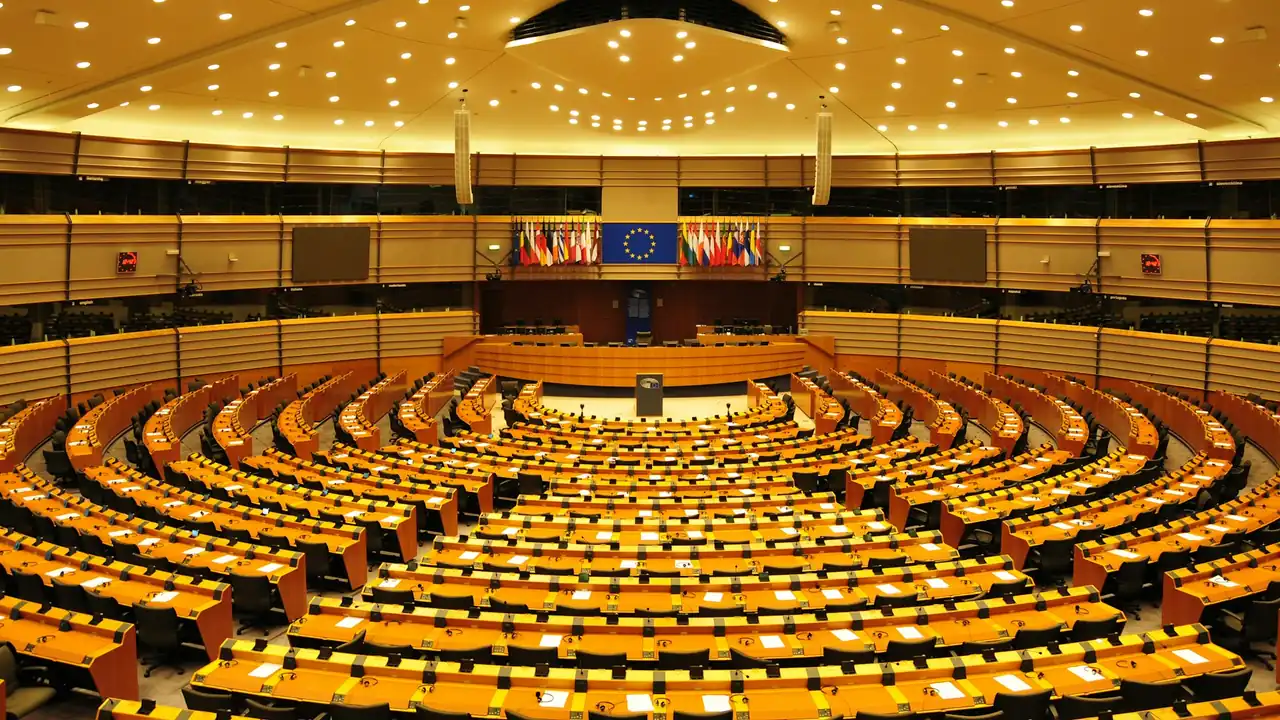
The European Union is unlikely to openly admit disappointment, but the closely contested election results in Israel triggered quiet anxiety in Brussels. The official statement from the EU spokesperson following the election was measured, congratulating Israelis on a high voter turnout that "reflects Israel's vibrant democracy" and emphasizing readiness to work with the next government. Behind the scenes, however, European capitals had hoped for a decisive outcome that would establish a stable governing partner.
With all 27 member states largely aligned with the two-state solution—though acknowledging its immediate impracticability in the wake of the October 7 attacks—Brussels has shifted its focus toward de-escalating tensions between Israelis and Palestinians. European officials are particularly concerned about the domestic fallout of the conflict, which has fueled massive protests across major European cities.
Brussels Weighs Incentives Against Sanctions
Looking ahead, the EU hopes for an Israeli government that refrains from expanding settlements in the West Bank, cracks down decisively on violent extremist elements targeting Palestinian civilians, and advances the reconstruction of Gaza. Instead, the inconclusive election results have plunged the union into a familiar policy dilemma.
Brussels had previously weighed a series of confidence-building measures contingent on the formation of a moderate government. These included lifting the European Commission's freeze—championed by Commission President Ursula von der Leyen—on tens of millions of euros in direct financial support for Israeli government institutions, pausing trade sanction debates, and advancing long-stalled bilateral agreements. The central question now is whether the bloc will resume pursuing trade restrictions against West Bank settlements and individuals designated as violent extremists, or wait out the coalition formation process.
The Deepening Divide Among Member States
EU policy remains deadlocked between two opposing factions. The hostile bloc comprises traditional critics such as Spain, Ireland, and Belgium, alongside nations that shifted their posture during the war, notably the Netherlands and influential France, frequently backed by Nordic countries and Portugal. This faction advocates for settlement trade sanctions, arms embargoes, the suspension of parts of the Association Agreement, and blocking Israel's renewal in Horizon Europe, the EU's flagship research program.
Conversely, the pro-Israel axis—led by Germany, the Czech Republic, Hungary, Italy, Austria, Greece, Cyprus, and several Baltic states—has successfully blocked these punitive initiatives. Frustrated by the stalemate, nations like the Netherlands, Spain, Ireland, and Belgium have unilaterally imposed independent restrictions on settlement goods, mirroring similar moves by non-EU members Norway and the United Kingdom.
Upcoming Political Shifts Across Europe
European dynamics could shift dramatically in the coming months due to upcoming elections in key member states. Spain is slated for elections where Prime Minister Pedro Sánchez faces potential defeat by right-of-centre parties. While the leading People's Party (PP) has also criticized Israel during the war, its prospective coalition partner, Vox, is staunchly pro-Israel and expected to push for a halt to anti-Israel measures.
In France, presidential elections loom in approximately six months, with Marine Le Pen leading in current polls. Although she supports the two-state solution, a victory for Le Pen would fundamentally alter France's diplomatic posture, dismantling the heavy pressure currently exerted by President Emmanuel Macron. If power changes hands in two of Europe's most influential capitals, Israel's standing within the EU could undergo a profound transformation.
Imminent Policy Deadlines
Until then, several critical processes are advancing. The formal review of Israel's participation in the Horizon research program is slated for early next year, alongside ongoing debates regarding the Association Agreement and potential restrictions on West Bank commerce. If a right-wing government takes power and settlement violence persists, Israel risks facing severe European economic measures. As Brussels observers note, the diplomatic clock is ticking.