"Between a scandal and a failure": A month has passed and security establishment funding remains blocked
The security establishment warns of "total deadlock and zero productivity" while Israel's enemies are arming themselves. Procurement is stalled, readiness is suffering, and pressure on the IDF is mounting with no solution in sight.
More than a month has passed since Prime Minister Benjamin Netanyahu concluded that the Ministry of Finance must immediately transfer 12 billion shekels to the security establishment out of the 40 billion it lacks following Operation "Lion's Roar" and the entry into Lebanon — yet not a single shekel has been transferred. Even the letter from the Chairman of the Foreign Affairs and Defense Committee, Boaz Bismuth, which we exposed on the "Ha-Yom" website and which was sent last week to Minister of Finance Bezalel Smotrich, did not help.
Senior officials in the security establishment who spoke with us are trying to walk a fine line: on one hand, to clarify how serious the situation is, and on the other, not to expose it too much to the enemy. According to them, the system is in a "total deadlock and zero productivity" while Israel's enemies are arming themselves.
According to senior sources, the arms race began after the last bombing carried out against Iran last April. Iran and Israel's enemies are not wasting time, while Israel is stuck due to the fact that the Ministry of Finance is not releasing the budget that the Prime Minister instructed. The budget shortage has implications for procuring the munitions required by the IDF for preparation for the next war. Armored vehicles, including tanks and APCs, are not being returned to operational readiness after three years of war; there is no budget to incentivize career soldiers to remain in the army against the backdrop of a severe manpower crisis; training is being harmed; and it is impossible to contract with industries for future projects.
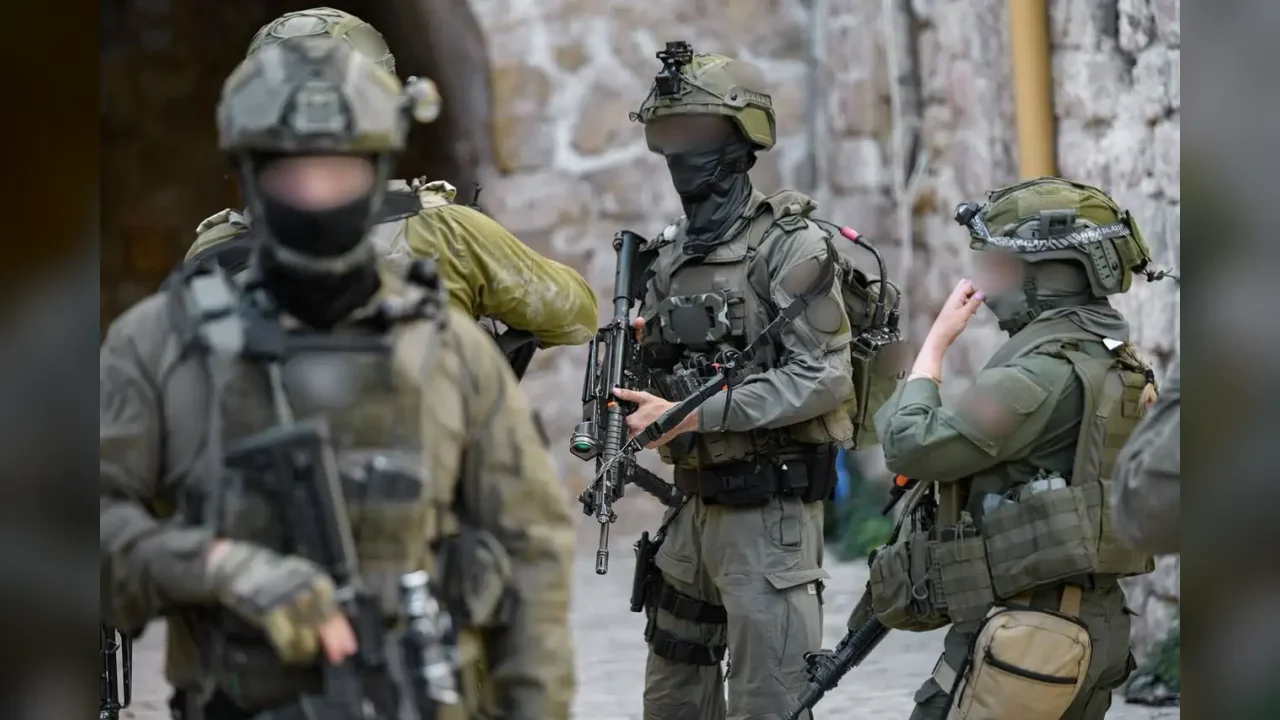
In an attempt to deal with the shortage, the IDF has reduced the number of reservists from 62,000 to 52,000. Now the army is working to reduce the number to 46,000 and later to 40,000, but even this move will not be enough to close the budget gap of 40 billion shekels. This is happening while the army is required to continue to meet all tasks — in the security zone in Lebanon, in expanding the security zone in Gaza, and in operations inside Syrian territory. In addition, in recent days a need has arisen to increase the force levels in Judea and Samaria to prevent escalation.
"The next war will happen — that is a fact. It could be in another week, another month, or another two years, but it will happen. We must prepare for it. The enemy is already doing so. In the Ministerial Committee for Procurement, they understood this and approved the budget for us, but the money is not being transferred," say senior officials. "If they don't fix this now, we will enter an election campaign, and the next government will not start dealing with this before January, at best."
In the security establishment, they are careful with their words so as not to pass information to the enemy, but in closed discussions, the statements are harsh. Even if the money were transferred, they emphasize, the production of interceptors and munitions takes time and does not happen at the push of a button. Every day that passes delays the procurement and the preparation for the next campaign, which could open at any moment. "It is between a scandal and a failure. Every day that passes does not return," the senior officials conclude.
However, last week Minister of Finance Bezalel Smotrich addressed the requests of the security establishment and claimed in a sharp response letter that his ministry is acting in accordance with the law, and that the timing of the transfer of budget requests does not at this stage harm the Ministry of Defense's ability to complete stocks and purchase munitions.
In addition, the Minister of Finance criticized the security establishment and claimed that the Ministry of Defense frequently exceeds the budget approved by the joint committee and the budget approved by the Knesset in primary legislation, without sufficient oversight. Smotrich called on the committee to examine the issue and formulate control mechanisms that will prevent the continuation of the situation. "The Ministry of Finance is committed to security needs — there is no saving of even a shekel when it comes to Israel's security," he concluded.