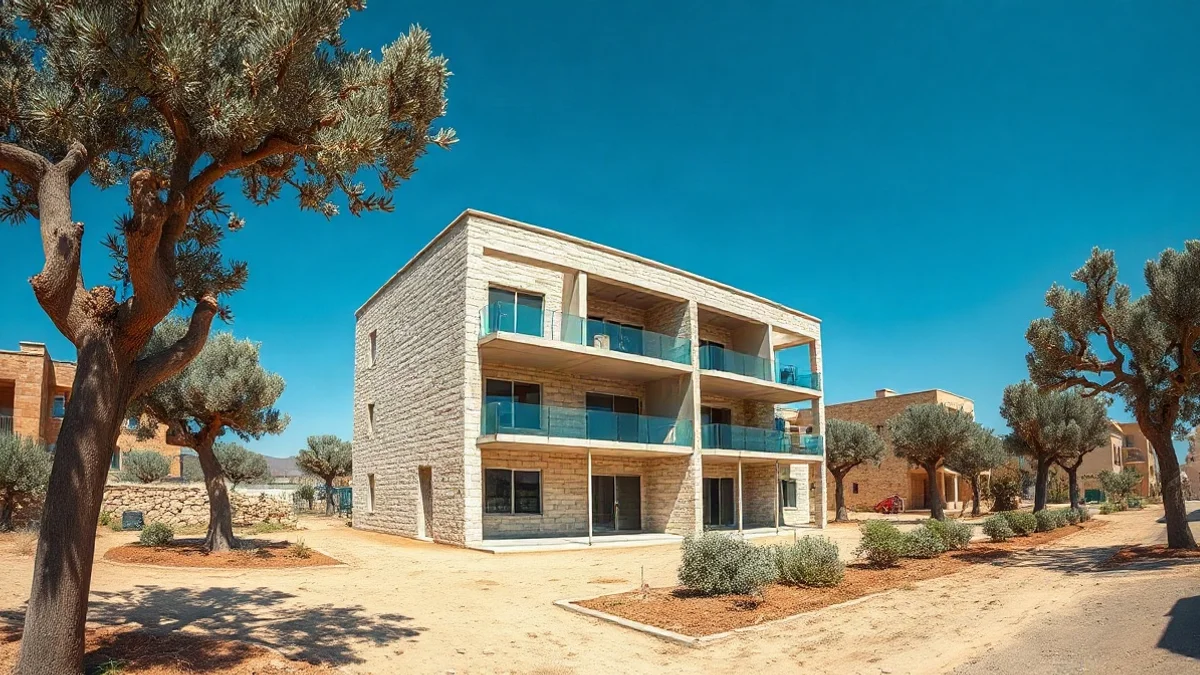
Sold an apartment for 700,000 shekels – and sued: "I was scammed"
A woman claimed she was a victim of scammers who convinced her to transfer money to them. The court agreed that a fraud had taken place, but ruled that it was not proven that the actual buyers were part of it.
The District Court in Haifa recently dismissed a lawsuit filed by a woman seeking to cancel the sale of her apartment for 700,000 shekels, claiming she was a victim of fraud. Judge Yoav Friedman agreed that the plaintiff had indeed been defrauded and had funds stolen from her, but ruled that there was no evidence proving the purchasing couple knew about the scam or were connected to it.
According to the woman, in December 2023, she fell victim to an "elderly scam" after responding to an advertisement promising high-yield investments. After realizing her money was gone, she contacted a person posing as a lawyer from the Netherlands who promised to recover the funds. Subsequently, other impostors promised her approximately two million shekels, provided she paid a "debt" first. Since she lacked the funds, she was allegedly offered an investor who would provide 250,000 shekels, with her apartment serving as collateral for the loan.
In April 2024, the woman signed a contract to sell the apartment to the defendants for 700,000 shekels. She claimed she was convinced it was a loan, not a sale, and that the buyers were aware of this. Conversely, the couple denied these claims, stating they were simply looking for an apartment, found the property listing, and negotiated the price until the deal was closed. They noted that the plaintiff appeared to be a rational person who received detailed explanations from her own lawyer and even requested changes to the payment schedule, which they accepted.
Judge Friedman acknowledged evidence that the plaintiff was scammed, including transfers of over 160,000 shekels to a Turkish bank account and correspondence with parties posing as bank and government officials. However, the judge ruled that there was no proof linking the defendants to the fraud. "Whatever the plaintiff's motives for selling her apartment may be, since no connection was proven between the defendants and those alleged scammers, it was not proven that the defendants had intentions exceeding the desire to purchase the apartment in accordance with the agreement," the judge wrote.
The court highlighted gaps in the plaintiff's version of events, noting that she failed to present correspondence with the parties who supposedly connected her to the buyers and did not call her husband to testify. Furthermore, the judge found her claim regarding a "250,000 shekel loan" implausible, as the buyers also paid off her remaining mortgage, transferring a total of approximately 376,000 shekels.
"It is more reasonable to assume that the plaintiff needed to raise funds, whether because she was convinced to do so by scammers or for other needs, and thus initiated the sale of her apartment," the judge concluded. The lawsuit was dismissed, and the sales agreement remains in effect. The handover of the apartment is to be completed within 90 days, subject to the payment of the remaining balance. The plaintiff was ordered to pay 15,000 shekels in attorney's fees.