Eisenkot Party Alleges Likud Pressure as Change Bloc Eyes Knesset Control
Yashar party reports Likud outreach amid election fallout, as Gadi Eisenkot outlines principles for a broad government and the change bloc moves to replace Knesset Speaker Amir Ohana.
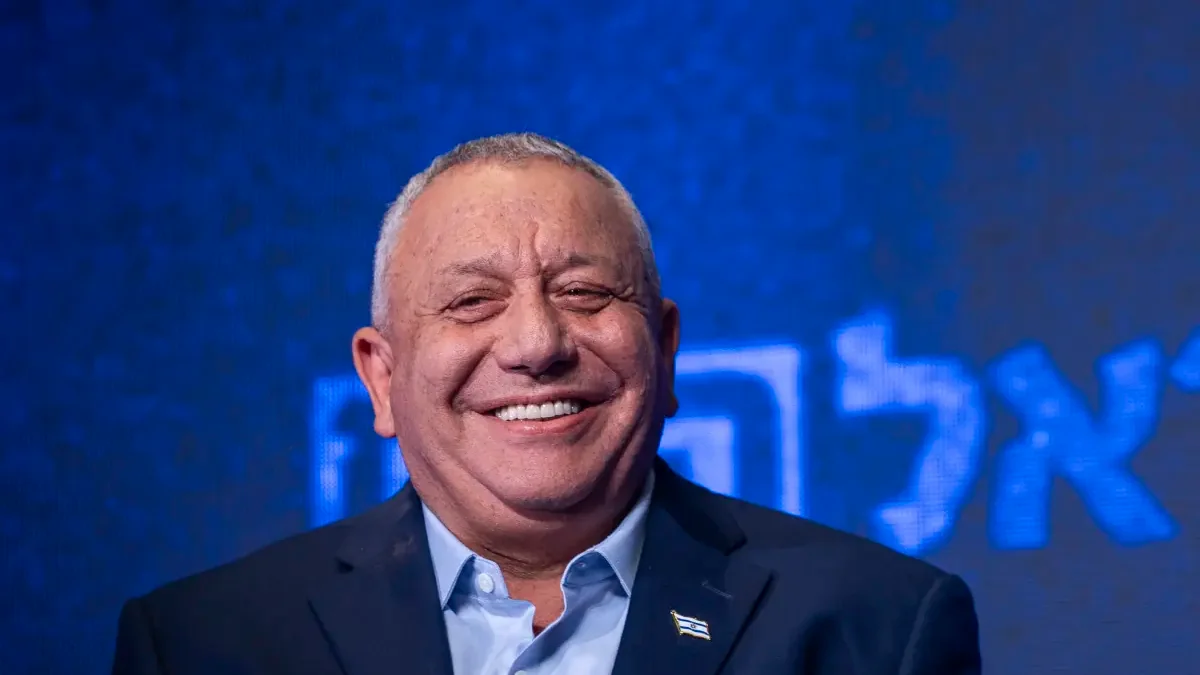
The Yashar party, led by Gadi Eisenkot, has reported that Likud representatives recently contacted several of its members, including Education Minister Yoav Kisch, designated lawmaker Almog Cohen, and media figure Yaakov Bardugo. According to a statement issued by the party, panic has gripped Likud following the election results, reflecting severe anxiety within the ruling faction over the prospect of a government led by Eisenkot.
The party stated that desperation is evident within Likud ranks as officials reach out to prospective and current lawmakers. In response, Almog Cohen denied speaking with any members of the Yashar party, asserting that no such conversations took place.
This development unfolds amid preparations for consultations at the President's Residence and ongoing friction within the change bloc. While Eisenkot aims to establish a broad government, differing stances held by Naftali Bennett and Avigdor Lieberman continue to hinder consensus. Simultaneously, the bloc is preparing to leverage its parliamentary majority to advance legislation and replace Knesset Speaker Amir Ohana.
Eisenkot Sets Four Core Principles
Earlier, Eisenkot issued a declaration committing to fulfill the election results, emphasizing that the majority of Israeli citizens voted against the current coalition and in favor of change. He outlined four essential principles for prospective partners: recognition of Israel as a Jewish, democratic, liberal, and egalitarian state; commitment to the Declaration of Independence; mandatory military, national, or civil service for all citizens; and recognition of Hamas as a terrorist organization whose military and governing capabilities must be dismantled.
Eisenkot stated that any lawmaker willing to endorse these principles is a welcome partner in forming a new government. He added that until a new administration is sworn in, he will only support military actions responding to direct and immediate threats that cannot be delayed.
The Battle for Control of the Knesset
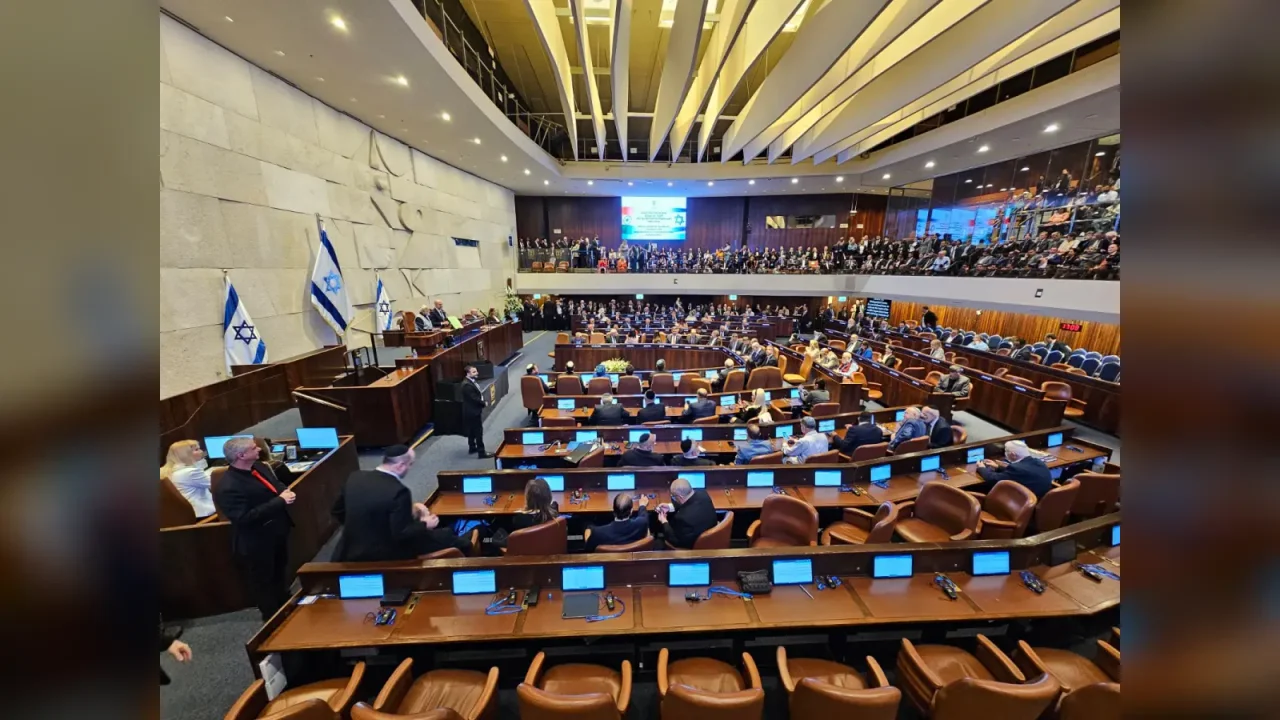
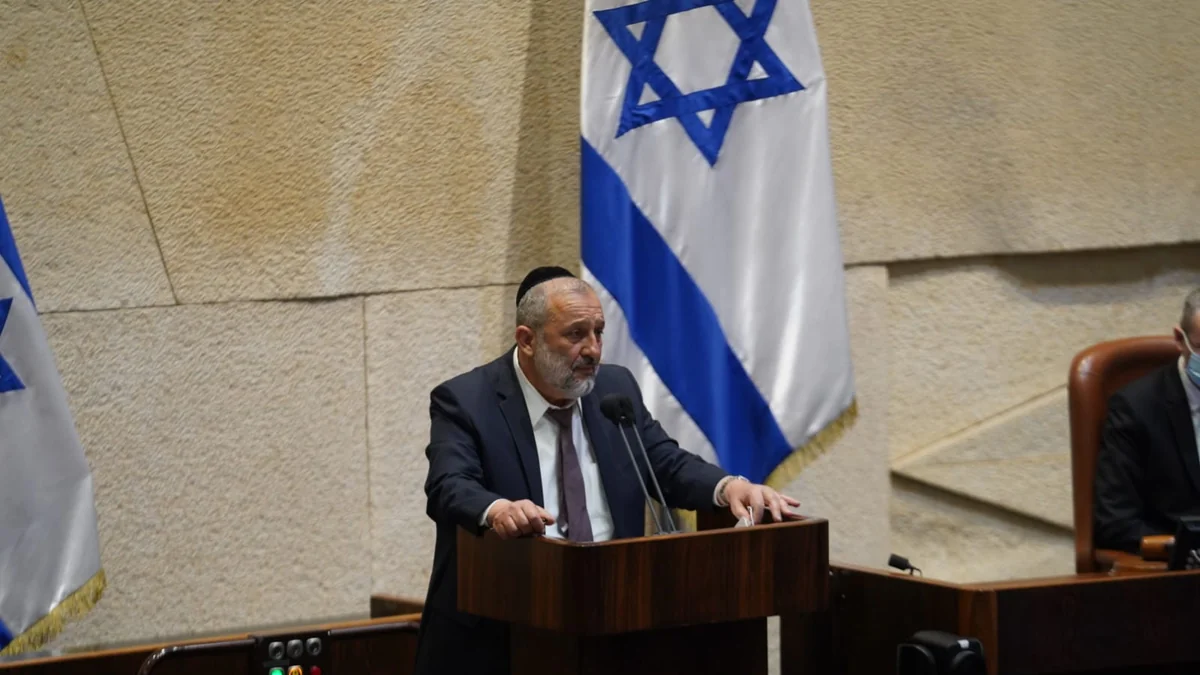
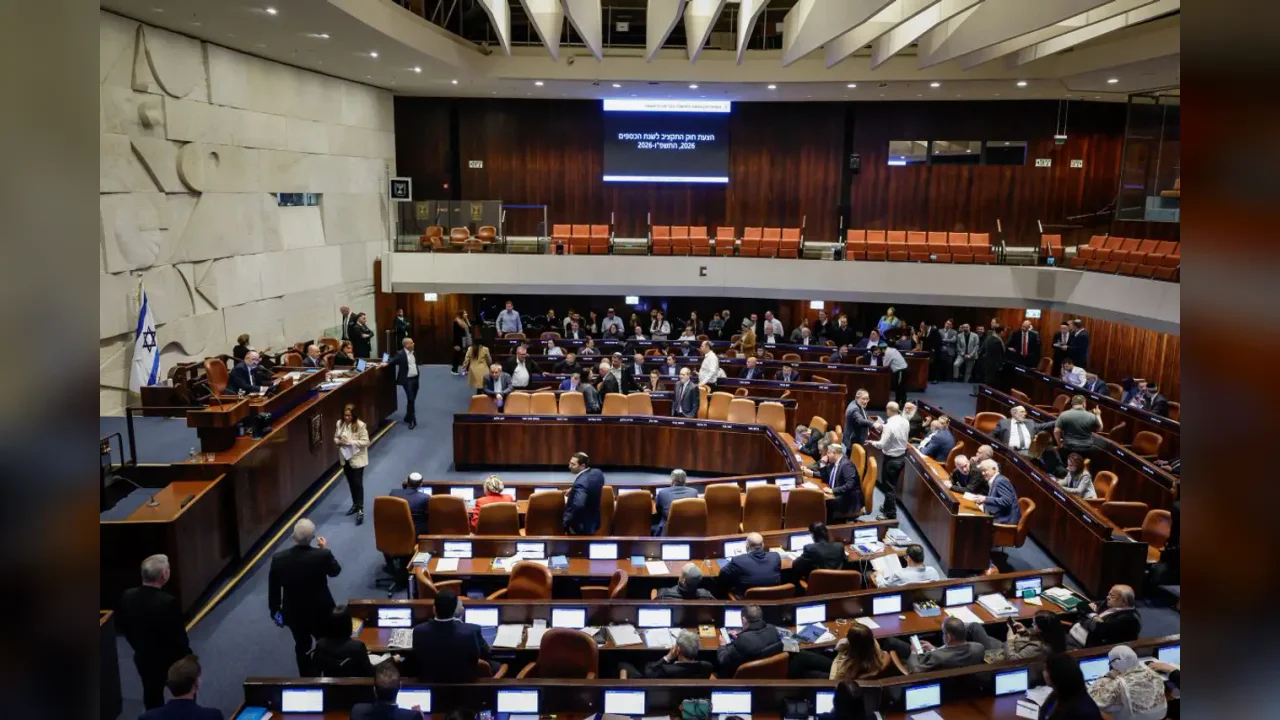
Parallel to coalition negotiations, the change bloc is planning moves to replace Knesset Speaker Amir Ohana and gain control of key parliamentary committees. The objective is to advance legislation prior to the formation of a government, including the establishment of a state commission of inquiry, term limits, and the repeal of laws passed by the outgoing coalition.
Despite these ambitions, lingering distrust among bloc leaders complicates joint planning. Bennett and Lieberman may each recommend themselves to the President, and consensus on a candidate to replace Ohana remains elusive. Potential candidates discussed for the role include Chili Tropper, Matan Kahana, and Yair Lapid.
Calculations within the change bloc indicate that cooperation with Arab-majority parties could secure a majority of at least 67 lawmakers to replace Ohana, compared to 53 for the right-wing bloc. However, achieving this majority requires agreements that have not yet been finalized.