Inside Ecuador's Prisons: How Drug Cartels Turn Jails into Command Centers
Ecuadorian prisons have transformed into cartel command centers where heavily armed gangs direct global cocaine trafficking and extort inmates, fueling unprecedented violence and a severe national security crisis.
In the streets of Guayaquil, Ecuador, gang members roam freely, heavily armed with assault rifles and machetes, operating an extensive transnational cocaine trafficking network that reaches the United States and France. According to a comprehensive Wall Street Journal investigation, criminals manage this vast enterprise not from underground hideouts, but from maximum-security state-run prison facilities. These prisons have effectively become cartel command centers, transforming Ecuador into a critical global drug trafficking hub.
Gang Rule Inside Prisons and Soaring Violence
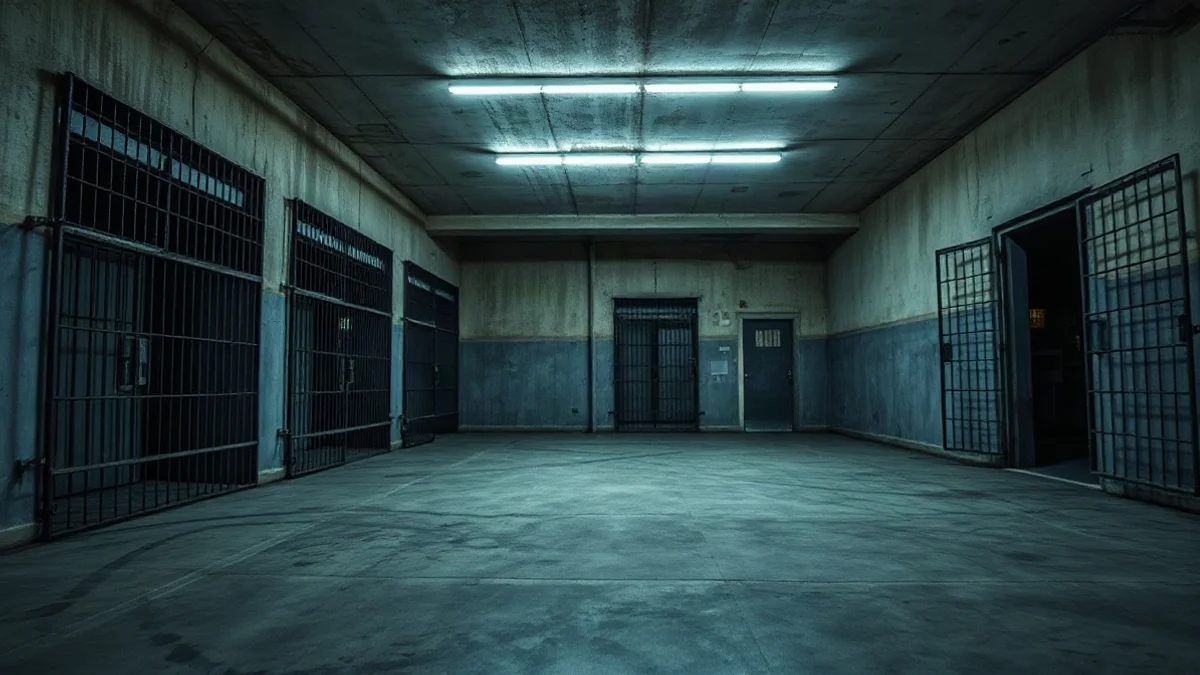
Prisons in Ecuador are entirely controlled by criminal gangs rather than wardens. Gangs dictate access to food, beds, and mobile phones, extorting prisoners to generate an estimated $200 million annually, according to the Insight Crime research institute. Inside the facilities, inmates have accumulated automatic weapons and grenade launchers, alongside luxury amenities such as nightclubs, swimming pools, and marble-adorned VIP cells. Leaders enforce strict compliance through immediate execution.
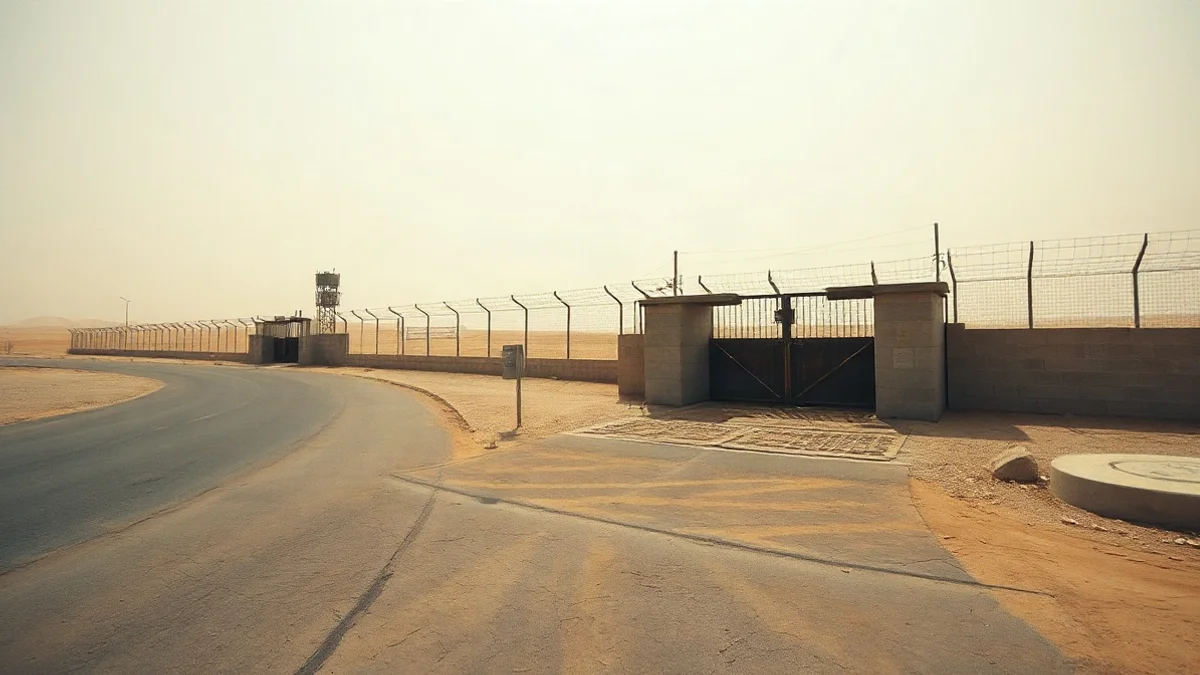
President Daniel Noboa has made retaking control of the prison system a cornerstone of his security strategy, deploying military forces and constructing an 800-inmate maximum-security prison. Despite these efforts, last year marked the most violent period in Ecuador's history, with murder rates doubling those of Colombia and nearly tripling those of Mexico. The United States has intervened by dispatching forces to assist with local raids and intercepting drug-smuggling vessels. However, analysts note that military crackdowns have created a power vacuum, leading to new waves of violence in which at least 206 prisoners were killed over the past year.
Root Causes and Deep-Seated Corruption
The roots of the crisis trace back to past governance failures. In 2011, Jorge Luis Zambrano, leader of the Los Choneros gang, was imprisoned and subsequently transformed his organization into the country's dominant criminal force from behind bars. The construction of massive correctional facilities in 2013 and 2014 concentrated thousands of offenders, vastly expanding the gangs' recruitment pool. Furthermore, government policies intended to isolate rival factions inadvertently granted them exclusive territorial control within separate facilities.
Human rights organizations report that military interventions have severely degraded living conditions, triggering a tuberculosis outbreak that killed at least 800 inmates last year amid widespread food shortages and poor sanitation. While the Ecuadorian government plans to construct a new 15,000-inmate prison and restore state oversight, former officials emphasize that eradicating deep-seated corruption remains the ultimate challenge. As a former prison official aptly noted, it is exceptionally easy to bribe a guard earning less than $1,000 a month with massive sums to smuggle a single mobile phone that orchestrates a global criminal empire.