Kiryat Bialik Mayor Eli Dukorsky Rejects National Politics for Local Run
Kiryat Bialik Mayor Eli Dukorsky rejected national political offers to focus on municipal leadership, criticizing northern recovery plans and demanding better shelter and security for the Krayot.
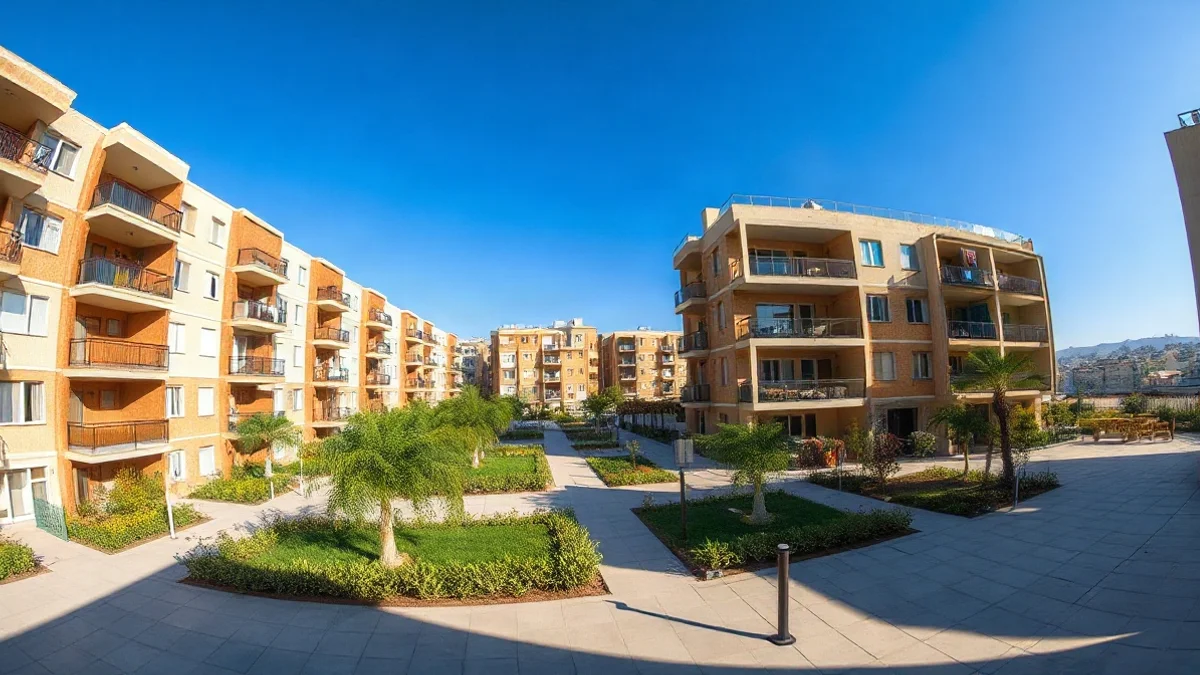
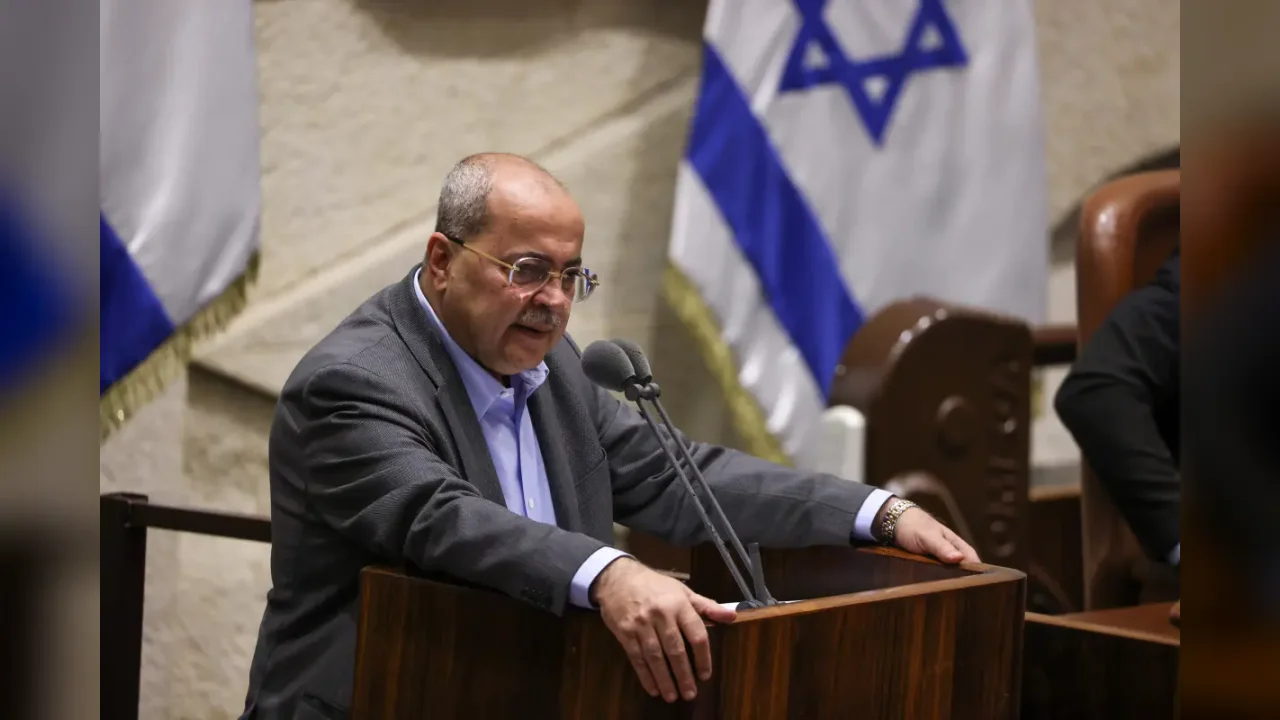
Kiryat Bialik Mayor Eli Dukorsky has rejected overtures from national political parties to enter state-level politics, confirming his intention to run for another term in local government. In an interview with local media, Dukorsky emphasized that leading a municipality remains one of the most influential and engaging roles in public service.
Challenges in Israel's North and Government Plans
Dukorsky criticized the government's reconstruction plans for the northern region, pointing out that the Krayot area was excluded despite absorbing around 650 rockets during hostilities with Hezbollah. Four to five residential buildings suffered direct hits in Kiryat Bialik, alongside widespread shrapnel and property damage. According to Dukorsky, Prime Minister Benjamin Netanyahu instructed his director-general to examine incorporating the Krayot into the national recovery framework following a meeting, but the initiative stalled.
The municipality reports that approximately 30 percent of residents face shelter deficiencies. During the conflict, the city opened school shelters for public use, installed portable protected units, and renovated shared residential shelters with assistance from the Ministry of Construction and Housing. However, Dukorsky noted there was no formal evacuation plan, as Home Front Command policy did not mandate evacuations for the sector.
Conscription and Regional Representation
Addressing the ongoing debate over military and national service exemptions for the ultra-Orthodox community, Dukorsky stated he was unsurprised by the political demands during coalition talks. He argued that mandatory service should apply broadly, with strict exceptions limited to exceptional Torah scholars, similar to arrangements for elite athletes and musicians, and suggested economic sanctions as a mechanism to drive compliance. He also advocated for expanding national or civil service requirements to the Arab sector.
Dukorsky highlighted a systemic structural issue, noting that the 26th Knesset lacks representation from Haifa or the Krayot municipalities. He criticized both Likud and The Democrats for sidelining local candidates in primaries and proposed introducing a regional component to Knesset elections to ensure local issues receive proper legislative advocacy.
Environmental Enforcement and Municipal Development
Turning to environmental concerns, Dukorsky and Kiryat Motzkin Mayor Tsiki Avishar announced plans to petition the High Court of Justice to demand stricter enforcement and harsher penalties against illegal waste burning, which Dukorsky termed "environmental terror." On the planned shutdown of the Haifa Bay petrochemical refineries, Dukorsky expressed skepticism that the target would be met by 2029, estimating that the relocation will likely take five years.
In local municipal affairs, Dukorsky defended the collection of development levies for open public spaces, which totaled around four million shekels in 2025 and 2026. The city plans to invest approximately 40 million shekels in 2027 to develop parks and playgrounds, including a new 30-dunam park and the upgrading of the Eli Cohen Park in Tzur Shalom. He also addressed the recent commercial upgrade of the Savinia center, noting that following a legal dispute with business owners, a court-approved settlement in October 2025 reduced the disputed fees by 50 percent and spread them across 12 installments.
Looking at urban growth, Dukorsky signed a roof agreement with the state in 2014 for 7,253 housing units. Approximately 2,500 units have been occupied in Naut Afek, while 900 units have been marketed in Givat HaRakafot. Meanwhile, the municipality successfully opposed development plans in the eastern open space known as "Kidmat Bialik." With Kiryat Bialik's population currently standing at roughly 52,000 and projected to reach 110,000 to 120,000 residents in the future, Dukorsky remains focused on expanding municipal industrial zones and enhancing local infrastructure.