Tel Aviv District Court Dismisses Multi-Million State Lawsuit Against Kirschenbaum
The Tel Aviv District Court dismissed a multi-million-shekel state lawsuit against former officials Faina Kirschenbaum and Rami Cohen, ruling against extra financial penalties.
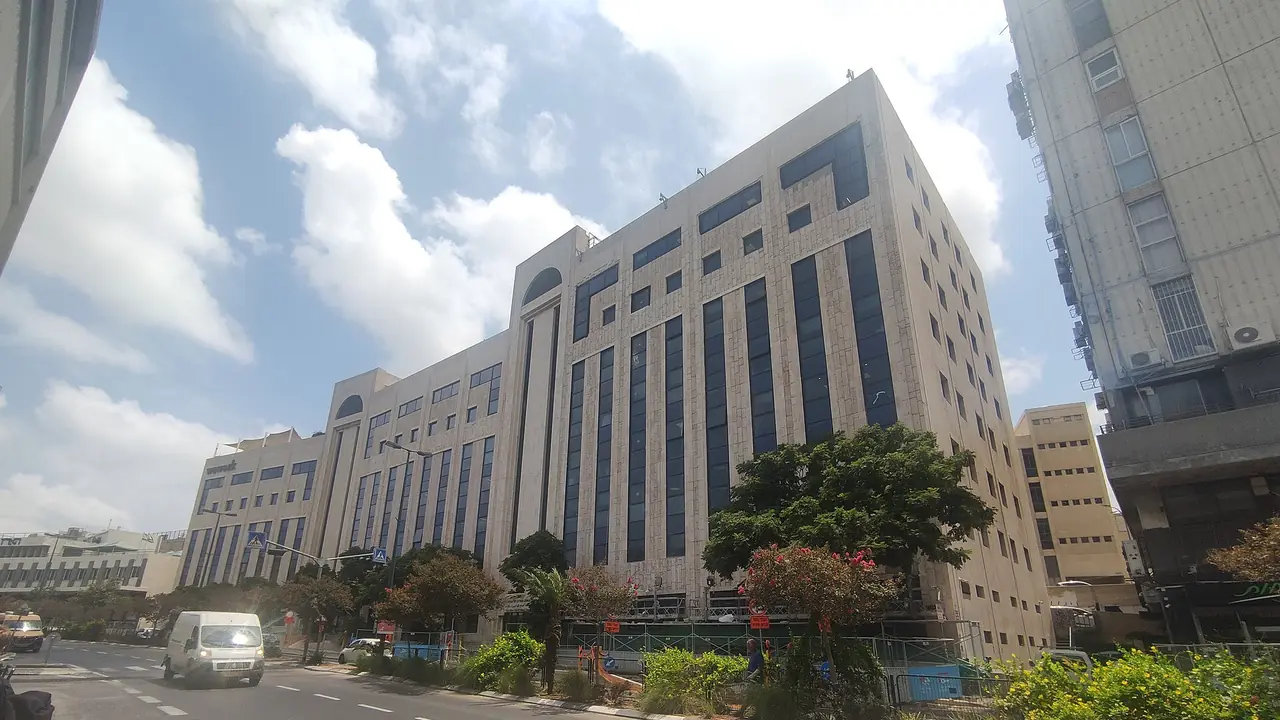
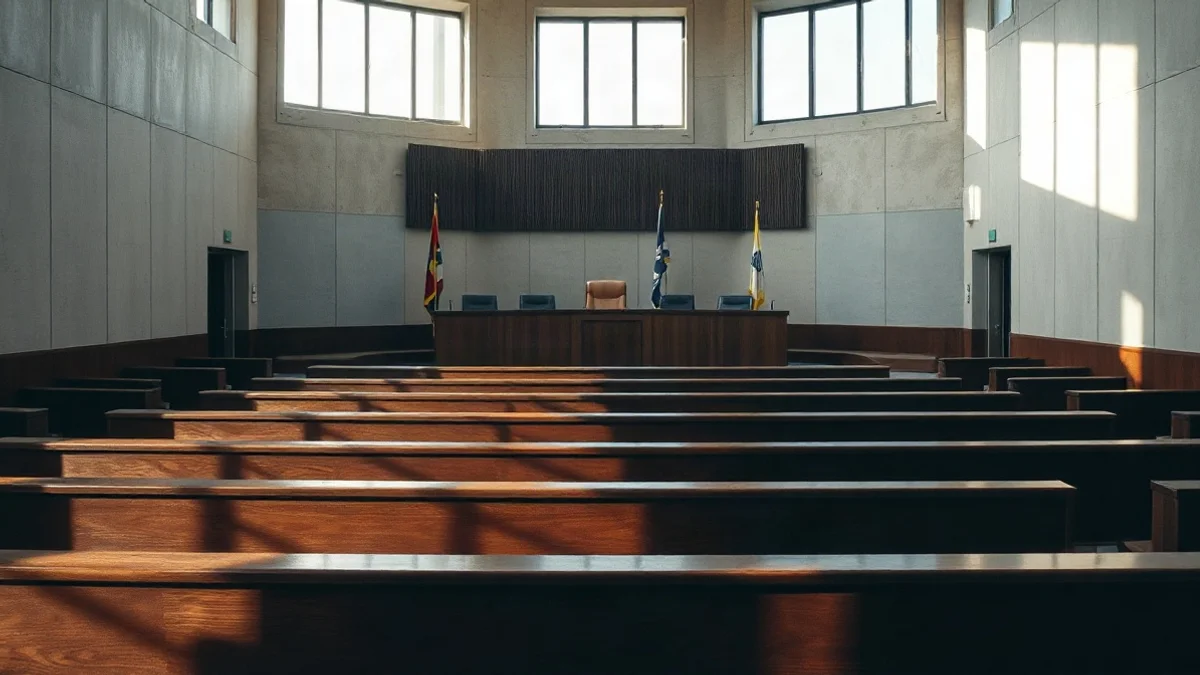
The Tel Aviv District Court dismissed a multi-million-shekel civil lawsuit filed by the state against former senior public figures Faina Kirschenbaum and Rami Cohen in connection with the Yisrael Beytenu corruption scandal. Judge Yossi Barkeh ruled that imposing additional financial penalties beyond the heavy sentences already handed down in their criminal proceedings was unjustified.
Court Rejects Additional Financial Sanctions
Initiated in December 2022 by the Tel Aviv District Attorney's Office for Civil Matters, the lawsuit sought more than six million shekels from Kirschenbaum and Cohen. The state demanded approximately 6.1 million shekels, which included about 1.1 million shekels in alleged unconfiscated bribe money and five million shekels tied to coalition funds transferred to the Samaria Development Company, the Israel Handball Association, and the Israel Basketball Association in cooperation with Cohen, the former director-general of the Ministry of Agriculture.
Judge Barkeh rejected the prosecution's claim that channeling the coalition funds resulted in direct harm to the public treasury, noting that the state failed to prove those funds would have otherwise remained in state coffers. Regarding the bribe money itself, the court observed that all funds delivered directly to Kirschenbaum had already been confiscated, and any further financial liability would undermine the criminal verdict's intent to leave her and her family with reasonable means of survival.
Balancing Accountability and Proportionality
Writing in the ruling, Judge Barkeh emphasized the principle of proportionality in judicial enforcement:
"Civil proceedings should not be turned into an additional, unlimited punitive track that ultimately strips a defendant of all assets. The law must indeed be enforced with determination, but also with measure. The law does not strive for endless punishment."
The judge acknowledged the severe nature of bribery offenses, which compromise public integrity and public trust, but stressed that the heavy toll paid by the defendants through years behind bars must be taken into account. Consequently, the state was ordered to pay legal expenses of 10,000 shekels to each of the defendants, though the ruling remains open to appeal.
Between 2009 and 2014, Kirschenbaum oversaw the distribution of approximately two billion shekels in coalition funds. She is currently serving a seven-and-a-half-year prison sentence, accompanied by a 500,000-shekel fine and one million shekels in asset confiscation, following a reduction of her original sentence. Cohen's prison term was previously shortened on appeal to 18 months, alongside a 180,000-shekel fine and 250,000 shekels in forfeiture.
Attorney Idan Segar, representing Rami Cohen, welcomed the judicial decision:
"The court ruled sharply and clearly today that civil proceedings do not constitute an additional punitive route. My client has fully served his sentence, and anything claimed to have reached him was already confiscated during the criminal process."