Welcome to the Welcome Era: The phenomenon that changed football
From Maradona in front of tens of thousands in Naples to Burnley, "Shrek," and Hapoel Petah Tikva: signing videos have turned from a dry announcement into a viral show, where humor, creativity, and personality are sometimes just as important as the player himself.
On July 5, 1984, Diego Maradona stepped onto the grass at the stadium in Naples, which would later be named after him. He hadn't scored a goal yet, hadn't brought a championship, and hadn't become the god of the city, but tens of thousands of fans in the stands were already behaving as if salvation had descended from the heavens and landed in southern Italy. Maradona stood there in a Napoli shirt, in front of a crowd that hadn't come to see a game but to see a promise. In a world before social media and the pursuit of the viral video, this was a club's way of telling its fans that something great was about to happen.
In a sense, that presentation was one of the ancestors of the modern WELCOME culture. Not technologically, of course, but because of that same basic idea that accompanies football to this day: signing a player is an emotional event. Start dreaming. Give me a viral moment.
For years, the ritual barely changed. A player arrived at the club's offices, underwent medical tests, signed the contract, received a shirt, and stood next to the president or the coach in front of the cameras. The photos appeared the next day in the newspaper, then on the official website, and later on social media. A shirt, a scarf, a handshake, and a few standard sentences about a "great club," a "new challenge," and a "desire to make the fans happy." Today, that is no longer enough. Every club wants its viral moment. Players have become brands, teams have fans all over the world, and the transfer market has turned into a reality show that lasts all summer. Fans no longer just want to know that the player has arrived, but to see how they will present him.
Thus, the evolution of WELCOME videos was born. What started as fan culture on YouTube — "Welcome to..." videos with goals, dribbles, and rhythmic music — turned within a few years into one of the main tools of football clubs in digital marketing. The fans invented the language, the clubs adopted it, and today almost every significant signing comes with an attempt to create a moment: funny, exciting, strange, or cinematic. Something that will make you share it, or at least stop scrolling and give a like.
In 2016, Manchester United turned the return of Paul Pogba, who was purchased for about 100 million euros and was then the most expensive player in the world, into a whole content celebration. Dozens of videos, a viral hashtag, and a song in collaboration with Adidas turned the signing into a global campaign. It was no longer a press release, but a product launch.
On the other hand, small teams realized that they don't need a Manchester United budget to go viral. It's enough to do something funny, to speak the language that the internet understands, and the likes will come from all over the world. The number of followers will rise and the brand will strengthen, even if the player you signed isn't exactly a candidate for the Ballon d'Or. The small ones rule.
Here enters the English Burnley, perhaps the most distinct example of a club that understood that humor can be a competitive advantage. Burnley didn't try to compete with the super-clubs in lavish productions. It chose pop culture references, self-awareness, simple jokes, and a very good understanding of what makes a person who is scrolling endlessly stop for a second. The announcement video for Lyle Foster, based on a scene from "Shrek," became one of the most beloved in the genre. The announcement of Dara O'Shea using a tribute to "Wazzup" from "Scary Movie" continued the same line, and of course, there was the presentation of Nathan Redmond, whom Burnley planted inside a scene from "Brooklyn Nine-Nine" and made him sing "I Want It That Way" by the Backstreet Boys. Thus, a small club that moves between relegations and promotions in England became known all over the world.
In Israel, Hapoel Petah Tikva may have finished in sixth place in the Premier League, but this summer it won the championship by a huge margin in everything related to signing videos. The club released especially funny and original videos again and again, and above all, excelled in something that almost doesn't exist in Israeli football: self-deprecating humor. For the signing of Avishai Cohen, for example, sporting director Nir Levin was shown refusing to sign huge names from world football — and even John Cena — just to add another Cohen to the squad. It took a small and funny detail from its squad and turned it into a story. Just like Burnley, it also understood that in the digital arena, a small club can beat much larger teams. Not with money, but with personality.
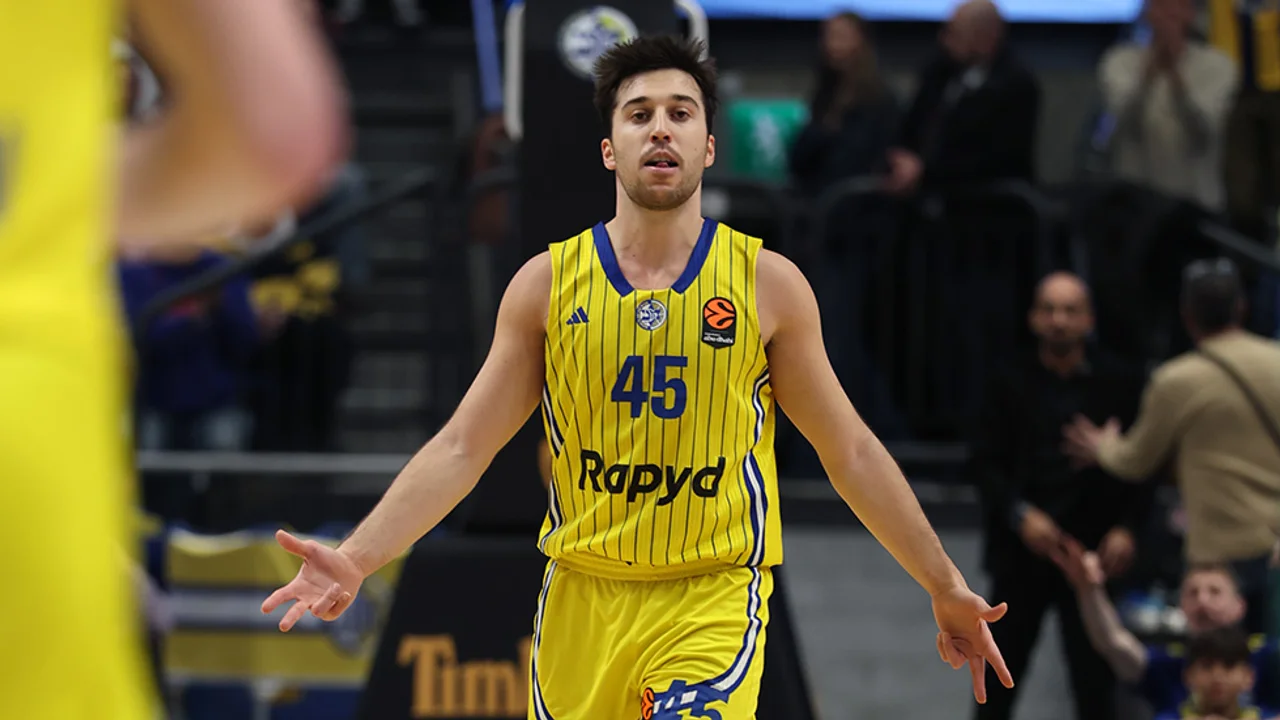
Over time, even the announcement video itself was no longer enough. Teams began to release teasers for signings, scatter hints, and make fans participate in a guessing game. The fans, for their part, became intelligence investigators. They look for hints of acquisitions themselves inside innocent videos, check who the club started following, and analyze every emoji or song in the background. Thus, for example, Maccabi Tel Aviv basketball fans looked for a hint of the signing of Yam Madar inside a season summary video.
Ultimately, the evolution of WELCOME tells the story of football in the digital age. It is a world where the club no longer speaks only to a local audience, but to millions of people around the world; a world where a player is both an athlete and a content asset; a world where fans are not satisfied with information, but want to participate in the conversation, react, share, laugh, get excited, and feel that their club understands them, lives on social media. The path from Maradona at San Paolo to a recruitment video with a reference to "Shrek" seems at first glance like a descent from the sacred to the profane. But the basis hasn't changed. Then and now, presenting a new player is a moment of hope. Once, this hope filled a stadium, but even if the player you brought is not Diego Maradona and not Kylian Mbappé — you can still rake in a nice amount of likes on his signing.