Returned from reserve duty - and discovered a payslip of 0 shekels: "I felt that the country betrayed me"
While they bear the burden, reservists and their families face an employment market that turns its back on them. A casualty officer who accompanied the wounded was required to return to the office immediately: "They looked at me as if I had scammed someone." A reservist's wife says: "I was afraid of job interviews."
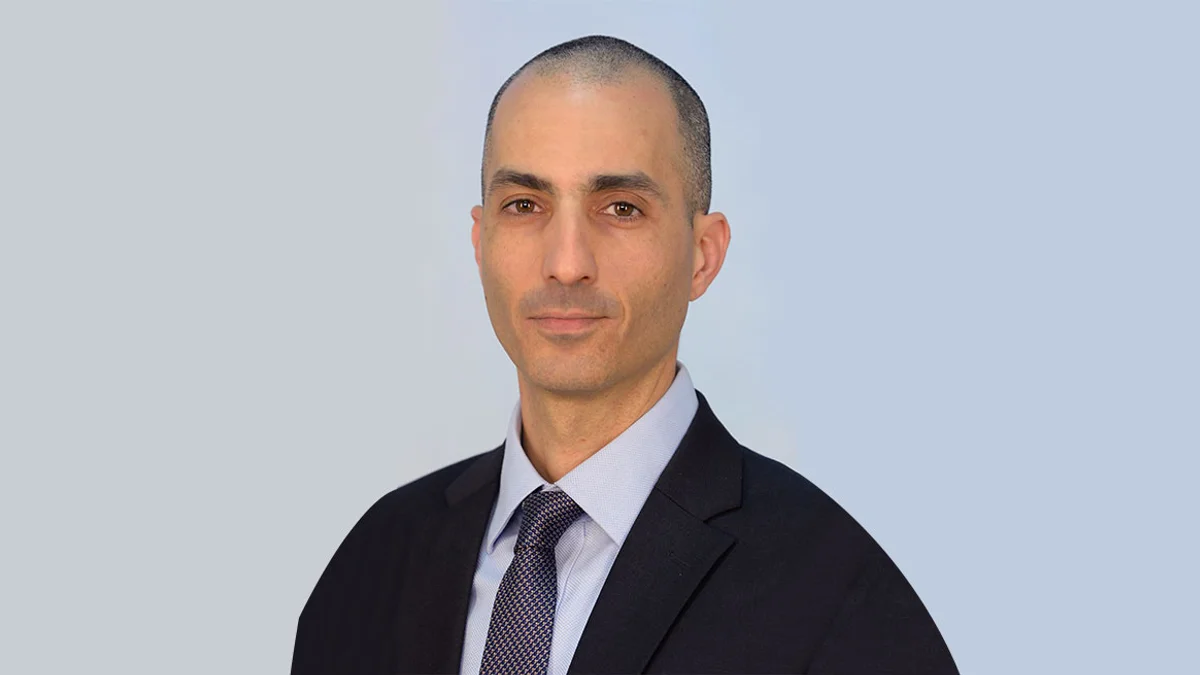
The story of Lotem Midan touches the raw nerves of Israel 2026. Lotem, in his 30s, is recognized as an IDF disabled veteran and is diagnosed with PTSD from the "Protective Edge" war. On October 7, he was drafted and went to fight. Later, he says, he was fired from his workplace due to prolonged reserve service in a classified unit.
"I worked at a large company in the biotech field," Midan says. "After a few months of reserve duty, my employers tried to convince me to sign for unpaid leave - but why should I sign? Why in the middle of reserve duty would I want to stop earning a living? To give up the conditions and my position? On the contrary, I want so much to finish the reserve duty and return to work and to routine."
After several tense weeks of service, and without access to a phone, Midan finally went home to mark the Seder night with his family. He was exhausted, but turned on his phone in an attempt to connect to the outside world - and identified an email from his workplace, to which was attached a payslip stating that his monthly salary stood at 0 shekels. "I was in shock, I understood that they really have no problem hurting me. I am stopping my life and risking myself in the field, what is this slap in the face?"
After about 400 days of reserve duty, Midan returned to a quiet home, without employment. "For those with PTSD, this is a real upheaval," he emphasizes. "I found myself doing garden work to create a noise of work around me. I was a nobody at home, trying to process what happened to me." He says, "I lost faith in society, I felt that the State of Israel betrayed me."
"When I arrived at the office - I was just warming a chair"
Dana (pseudonym), in her 30s, worked for 11 years at the Ministry of Welfare. As a social worker by training, she thought she had already seen everything, but October 7 changed everything. "I serve as a casualty officer and notifier in the reserves, the events and the need for us reached dimensions I didn't know," says Dana. "The casualties go home with me and wake up with me every morning."
When Dana walked in uniform on the street, she felt appreciated. But it was her employer who did not see the daily struggle she was managing. "In workplaces, they don't look at us like heroes, on the contrary - they projected to me and looked at me as if I had scammed someone. When in fact, it was such a difficult period, I really didn't enjoy it. I would come home after a long and emotionally exhausting workday with the wounded, and have to manage a home and children."
Dana's manager demanded that she return to work, and even issued a "Valtam" form (release from reserve service). Dana, out of a sense of mission and in an attempt to find a solution, offered to come to the Ministry of Welfare for part of the week. "When I arrived there was no load, I was warming a chair. I didn't understand why they insisted so much that I arrive while the wounded need me, I treated as a sole officer about 300 wounded, but they continued and told me 'it doesn't matter, sit in the office'."
Meanwhile, in the IDF wounded department, there is a great shortage of manpower. So much so, that the wounded and the families that Dana accompanied organized and appealed in a petition to the Director General of the Ministry of Welfare, Yinon Aharoni - after which he went out to meet the wounded and even cancelled Dana's "Valtam" form.
In the end, Dana, who served about 600 days of reserve duty, chose to leave the Ministry of Welfare and apply for a new workplace, also a government ministry. "I passed all the screening stages, and reached the final stage," she recalls, "when I started to tell about myself and my experience, they summarized and told me, 'Know, if you come to us, no more reserves'."
"Interrogations" and eye-rolling
Sheni Bar Nativ (38), founder of the "Reservists' Wives Forum" and mother of 2, also knows personally the moment in an interview where she says she is married to a reservist, and the eye-rolling from the employer that comes immediately after. "My workplace offered that I go down to a half-time position, but why should my salary be hurt because my husband goes to protect the country?"
She says: "I was afraid to go to job interviews, because I knew that then I would again stand under questions regarding my husband's reserves and eye-rolling. They asked me 'if your husband is in the reserves, who raises the children? Who takes them out at three from the frameworks?', they don't like the idea of the reserves in the background."
Response of the Ministry of Welfare: "The Ministry of Welfare provides extensive support to its employees serving in the reserves and salutes their contribution. This is an employee in a sensitive and essential role, in a unit that treated war casualties, orphans, families of the hostages, and survivors of the Nova. After two years of absence due to reserves, during which she received full backing from her managers - the ministry appealed to the army through the accepted channels due to damage to the unit's functioning and manpower distress. The IDF accepted the request and ordered her release back to her position."
From the IDF it was stated: "The IDF appreciates the reservists and works to develop various solutions for a variety of populations and needs, and among other things for employment challenges. For example, in the last year, several employment fairs were held with the participation of the economy's leading companies."