Bank of Israel Expected to Hold Interest Rates Steady Amid Elections
Bank of Israel is expected to keep interest rates steady amid Knesset elections and fiscal uncertainty, according to a Psagot Investment House review.
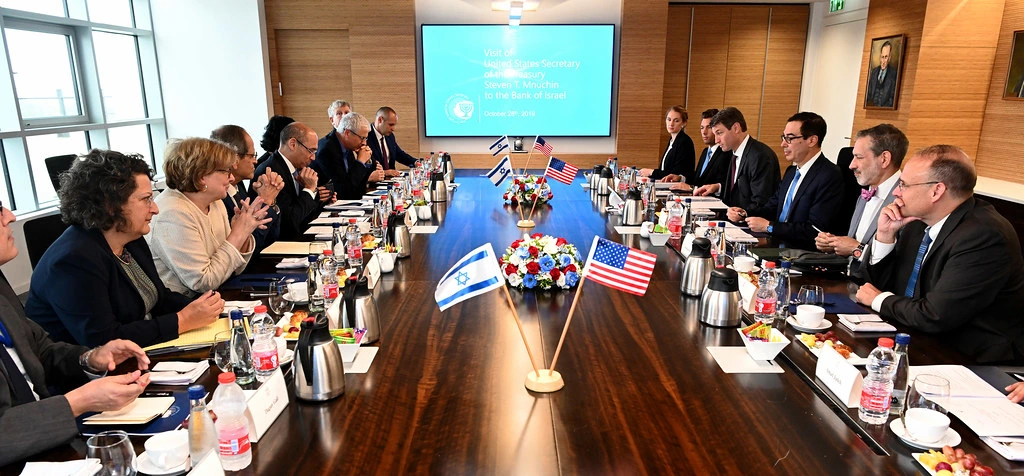
Bank of Israel is widely expected to leave its benchmark interest rate unchanged at its upcoming decision, navigating a landscape complicated by the Knesset elections and broader political uncertainty. According to a weekly market review published by Psagot Investment House, while domestic inflation remains low enough to grant policymakers room for patience, post-election fiscal dynamics will ultimately dictate the pace of future monetary easing.
The Intersection of Politics and Monetary Policy
With the general elections and the central bank interest rate decision arriving in close proximity, analysts at Psagot suggest that policymakers will likely opt for a cautious stance until the political contours of the next government become clear. In the near term, inflation remains subdued enough that potential upside shocks—such as the removal of fuel tax exemptions or renewed regional escalations involving Iran—are unlikely to push the consumer price index above the 3% threshold.
However, medium- and long-term forecasts introduce notable structural questions. A closely contested electoral outcome could trigger prolonged political deadlock, extending the current period of macroeconomic visibility. Beyond government formation, fiscal policymakers will immediately face daunting budgetary decisions, particularly regarding the scale of defense expenditures and whether spending increases will be permanently locked into the national ledger.
Fiscal Adjustments and Debt Trajectories
Financing a proposed expansion of the defense budget by 300 billion shekels over the next decade will necessitate sweeping fiscal interventions if the government intends to preserve its current deficit targets. Psagot notes that comparable fiscal adjustments implemented in 2024 included a one percentage point Value Added Tax hike, the freezing of income tax brackets, civil service wage adjustments, and cuts to civilian ministries.
"Given the low probability of repeating such aggressive austerity measures, the government may choose to adopt a higher deficit target and classify certain defense outlays as off-budget expenditures," Psagot analysts wrote in their weekly report.
Such a maneuver, however, risks elevating the national debt-to-GDP ratio, a development that could compel the central bank to moderate or delay future interest rate reductions. Despite these structural hurdles, economic activity in Israel continues to track historical growth trends.
Outlook for 2027 and Global Trends
If a newly formed government successfully implements a budget centered on deregulation and structural economic stimulus, the Bank of Israel could resume moderate interest rate cuts during the first quarter of 2027. Conversely, an earlier easing cycle would likely require concrete signals of a broader macroeconomic slowdown.
Meanwhile, expectations for aggressive monetary tightening in the United States have cooled. Following a speech by Kevin Warsh at the International Monetary Fund conference, markets priced down the probability of an immediate rate hike, reinforcing the view that the Federal Reserve may pause its tightening cycle while monitoring incoming data and the ongoing capital expenditure boom in artificial intelligence.