From Netanyahu against Peres to Eisenkot in AI: Why do negative campaigns always work?
AI videos and fear-mongering broadcasts have become an integral part of election campaigns in Israel. Promises and work plans are giving way to frontal attacks designed to trigger gut emotions. From the eighties to the 2026 elections - a journey following negative campaigns in Israel.
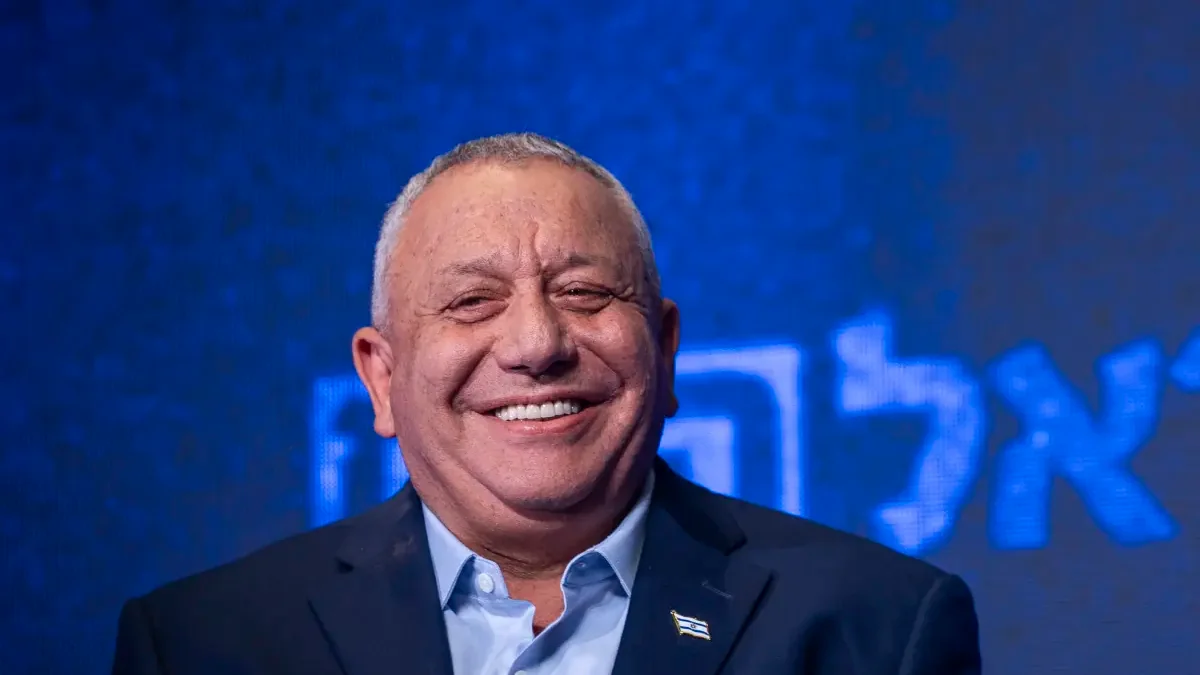
In recent weeks, social media has been buzzing following an AI video presenting the chairman of the "Yashar" party, Gadi Eisenkot, as someone who avoids hugging an IDF soldier and runs to hug the chairman of Ra'am, MK Mansour Abbas. The Likud campaign, which opposes Eisenkot and tries to distance right-wing voters from him, proves one thing above all: negative campaigns remain the beating heart of Israeli politics, even nearly half a century since the first negative campaign on television.
2026 Elections for the 26th Knesset | Mandate polls, bloc map and updates <<
Promises of work plans, reforms, or a political vision very quickly give way to videos, headlines, and billboards warning of the disaster that will occur if the other side wins. The planned message is intended to trigger emotion before the mind has time to examine the facts.
Big ideas and detailed plans work well in meeting rooms, but on the way to the ballot box, what drives voters is almost always the frontal attack. This is how it has looked over the years, from black-and-white broadcasts on television to the digital age.
In the 1981 elections, Likud sharply attacked the Ma'arach while highlighting the alienation of the old establishment. Likud broadcasts presented the Ma'arach leaders as elitist, and rode on Dudu Topaz's "Chahchachim" speech to brand the opponent as condescending.
In 1992, Likud absorbed heavy fire, and the Labor Party led by Yitzhak Rabin took the lead with the slogan "Corrupt, you have had enough!". The campaign rode on the public sense of disgust from the "stinking trick" events and presented Likud as a tired and corrupt government.
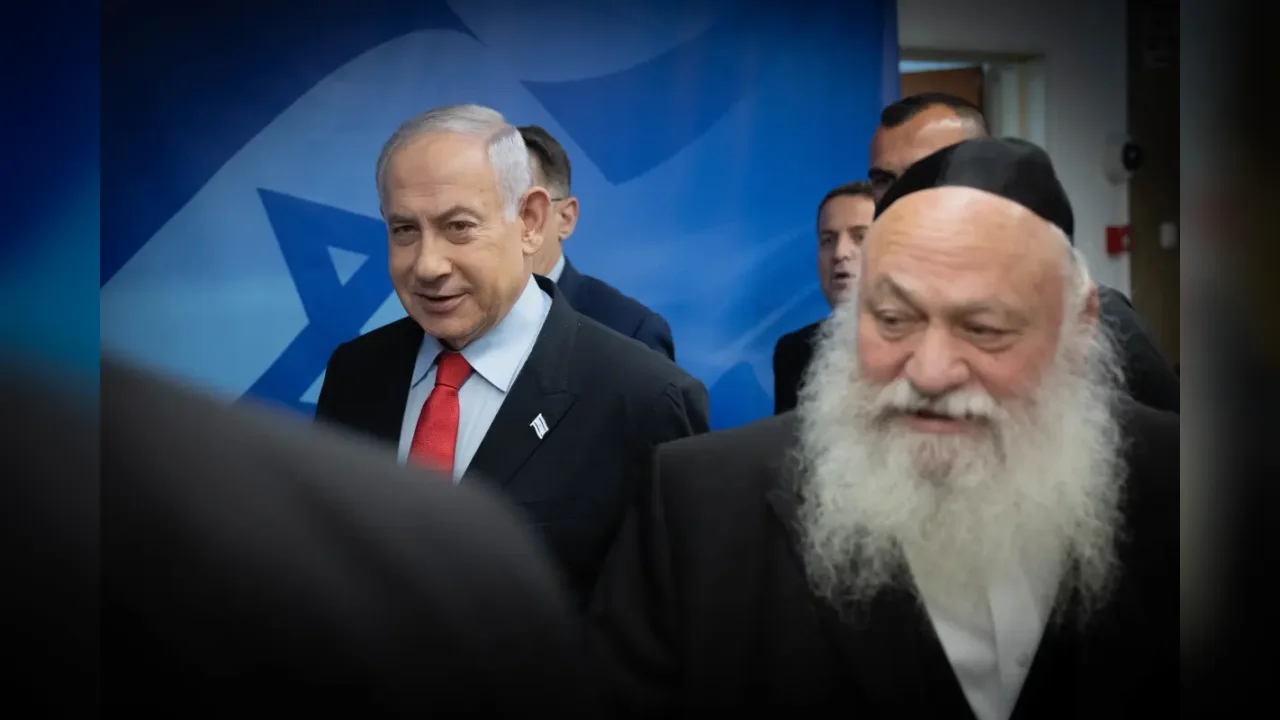
The most dramatic turning point in the history of propaganda in Israel occurred during the direct elections of 1996 between Benjamin Netanyahu and Shimon Peres. Netanyahu's advisors adopted an aggressive line: "Peres will divide Jerusalem" on billboards and videos that were etched into consciousness, alongside harsh broadcasts accompanied by the sounds of shattering glass against the backdrop of suicide bombings. At the same time, the campaign "Netanyahu. It's good for the Jews" was born. On the other hand, Labor tried to attack with "Netanyahu is dangerous for Israel".
In the 1999 election campaign, the "One Israel" party led by Ehud Barak conducted a negative campaign personally directed against Netanyahu. The campaign presented him as a divisive leader who failed in the economic and political spheres, using slogans like "Netanyahu. You failed" and highlighting social rifts.
With the turn of the new millennium, campaigns became less ideological and much more focused on the character and experience of the leaders. After the collapse of the Camp David summit and the outbreak of the Second Intifada in 2001, Likud attacked Ehud Barak with the slogan "There is no one to talk to", presenting him as someone who failed in negotiations. The left tried to deter the public from Ariel Sharon's past with the slogan "Sharon will get us into a war".
In 2003, the Labor Party led by Amram Mitzna tried to attack Ariel Sharon over the economic and security complications of his government, alongside the personal affairs that surfaced, using the message that Likud's promises for security and growth collapsed in the test of reality.
When Ehud Olmert led Kadima in 2006, Likud tried to brand him and Amir Peretz as a dangerous combination, highlighting Peretz's economic positions and presenting Olmert as a leftist.
One of the most memorable negative campaigns was directed in 2009 against Tzipi Livni. The slogan "Tzipi Livni. It's too big for her" was accompanied by videos that presented her as inexperienced in front of world leaders, with the goal of damaging her leadership image compared to Netanyahu.
The transition from broadcast networks to social networks has made the negative campaign intense, daily, and one that is driven by humor, mockery, and direct intimidation.
In 2015, the Zionist Union led by Isaac Herzog and Tzipi Livni built its campaign on the signs "It's us or him", an attempt to turn the elections into a personal referendum against Netanyahu.
Likud responded with the "Bibisitter" campaign, in which Netanyahu was presented as the responsible adult who comes to look after the children who are unable to manage a country, and with the "money time" call on election day: "The Arab voters are moving in droves to the polling stations".
In the sequence of election campaigns in 2019–2021, negative campaigns broke records: branding Benny Gantz and Blue and White as "left, weak, dependent on Ahmad Tibi"; the ongoing campaign against Naftali Bennett ("the fraud government"); campaigns by the center-left that warned against a "government of darkness"; and campaigns by parties like "Yisrael Beiteinu" that focused on fear-mongering about "budgetary extortion" by the Haredi parties.
From "Peres will divide Jerusalem" to today's AI videos, the negative campaign was and remains the most effective tool in the political toolbox in Israel. As long as the public reacts faster and stronger to threats and dangers than to detailed work plans, strategic advisors will continue to invest resources in dismantling the image of the other side.
But beyond election tactics, this is a reminder for voters: a candidate who chooses not to deal with the essence, the citizen, and the vision, but invests all their efforts in dismantling the figure opposite them, is expected to behave exactly the same way on the day after the government is formed. When the entire campaign is based on burning bridges, do not give up on the only question that really matters: what do you intend to build here on the day after the elections?