From Managing Tens of Billions to Collapse: The Great Fall of the AI Prince
Leopold Aschenbrenner, a former OpenAI researcher, grew his hedge fund to a peak of $45 billion in assets, but a recent market downturn has forced a massive sell-off of his holdings.
At 15, he was accepted to Columbia University; at 19, he graduated first in his class; and at 22, he was fired from one of the world's most important companies amid a dispute that remains unresolved to this day. By 24, he was already managing a hedge fund with assets estimated at its peak at about $45 billion, and was considered one of the most influential voices on Wall Street regarding the future of artificial intelligence. Now, a year later, the capital market is abuzz with talk of his collapse. This is the story of German-born Leopold Aschenbrenner, who transformed from a nearly unknown researcher into a figure whose every word is closely followed by the world's largest investors. The bet on the AI boom has become complicated: the fund of the OpenAI alumnus is selling most of its holdings.
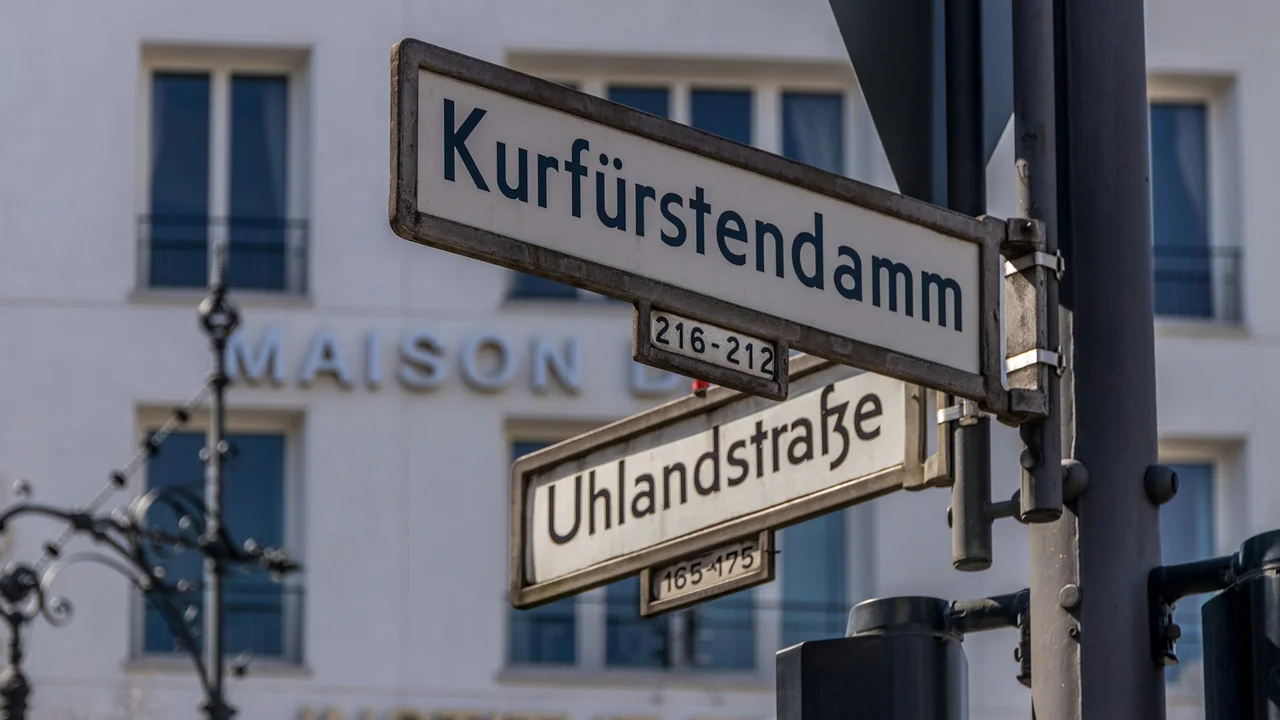
Aschenbrenner was born in Berlin and stood out as a mathematical prodigy in childhood. He skipped high school almost entirely, beginning his academic studies at Columbia when his peers were still in 10th grade. After completing a degree in economics and mathematical statistics, he began his path in an unexpected place: the philanthropic arm of the crypto exchange FTX, which collapsed in the scandal surrounding Sam Bankman-Fried. When that empire crumbled, Aschenbrenner was already on his way to one of the most talked-about labs in the world.
In 2023, he joined the Superalignment team at OpenAI, established under Ilya Sutskever and Jan Leike with one goal: to find a way to control AI systems smarter than humans. It was a dream job, but it didn't last. In April 2024, just six months after joining, Aschenbrenner was fired. The company's official version cited a "leak of internal information." His version is different: he claims he wrote a memo to the board warning that OpenAI's information security was too loose and vulnerable to industrial espionage by foreign actors, including China. He asserts that this memo, not any leak, was the reason for his termination. The company rejected his version. A month later, his entire team was dismantled, and Sutskever left to start a competing company.
The layoff became a springboard for Aschenbrenner. Months later, he published a 165-page essay titled Situational Awareness, which became one of the most read texts in the tech world within weeks. His central claim: super-intelligence will arrive between 2027 and 2030, and the world is not prepared.
That same year, he founded the hedge fund Situational Awareness LP and appointed himself chief investment officer. Early investors included Silicon Valley heavyweights: brothers Patrick and John Collison (Stripe), Nathan Friedman (former CEO of GitHub), and investor Daniel Gross. Later, Jane Street, one of the world's most important algorithmic trading houses, joined—a rare move for a firm that almost never invests in external funds.
The fund grew at a pace resembling a tech startup more than a financial institution: from a few hundred million dollars at inception to about $20 billion within a year, and reportedly up to $45 billion at its peak. The portfolio was highly concentrated, turning every quarterly report submitted to the US Securities and Exchange Commission into a market event. Last March, the fund revealed positions with a nominal value of about $8.46 billion against AI chip giants, including Nvidia, Broadcom, AMD, Oracle, and TSMC, alongside purchases in Bitcoin mining stocks that shifted to focus on AI infrastructure. For a market that deemed Aschenbrenner the true oracle of AI, this read as a warning sign.
In the first half of 2026, the fund recorded a net return of 439%, according to a letter reviewed by the Financial Times. In that same letter, Aschenbrenner admitted the fund was "not immune" to market volatility, especially in Asia. Within weeks, the extent became clear. A sharp wave of selling in AI stocks, fueled by heavy leverage, forced the fund to sell a significant portion of its public holdings, some directly to Ken Griffin's Citadel fund. The reported value of managed assets dropped sharply, and Aschenbrenner's personal wealth, estimated at its peak at about $5 billion on paper, shrank accordingly.
However, those who know Aschenbrenner are not rushing to eulogize him. At 25, he stands at the center of two worlds: theoretical research on the future of AI and direct financial bets on it. Even if his current portfolio took a hit, the idea that drove him since his departure from OpenAI remains: anyone who truly believes super-intelligence is imminent cannot just write about it—they must act. This makes him a figure that everyone following the AI industry continues to watch at every step.