In the Gaza Envelope they demand answers: "If foreign forces are brought into Gaza, what happens on our side?"
Eshkol Regional Council head Michal Ozihou warns that while moves to rehabilitate the Strip and introduce foreign forces are advancing, authorities in the Gaza Envelope are still not receiving a full picture of the security implications. "We are in constant contact with the army, but not with the state." She also warns of the expected load on Route 232 and emphasizes: "The question is whether they are bringing in foreign forces before Hamas has been disarmed."
Against the backdrop of progress in the moves led by the Peace Council and discussions on the introduction of foreign forces and the rehabilitation of the Gaza Strip, the head of the Eshkol Regional Council, Michal Ozihou, warns today (Monday) that the very authorities located on the front line still do not know for which scenarios they should prepare.
"We are in constant contact with the army, but not with the state," says Ozihou. According to her, the heads of the authorities in the Gaza Envelope are working together vis-a-vis the IDF and government ministries, but as far as the political and security changes emerging in the Strip are concerned, the discourse with them is still not sufficient. "On issues of policy, in the context of the changes, they did not talk to us."
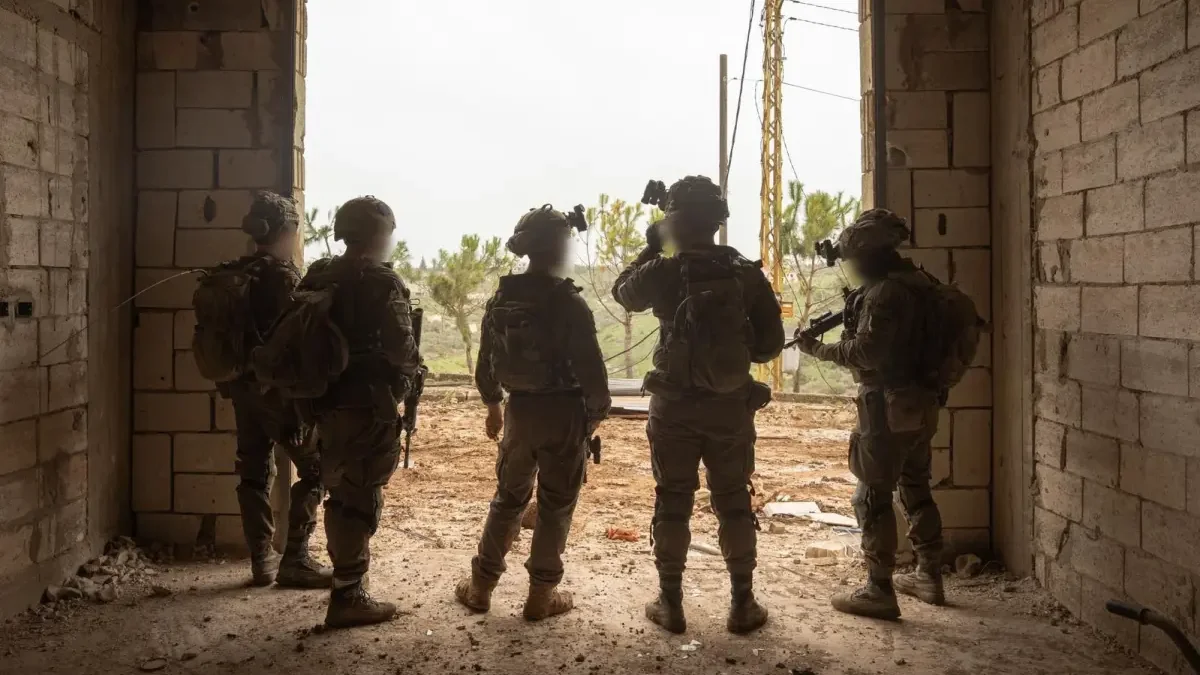
According to her, the central question for her is what Israel will do on its side of the border as the reality inside Gaza changes. "If they bring foreign forces into Gaza, what happens on our side of the border?" she asks. "If there is a change in the scope of forces, in the territory we control, or in the entry of foreign forces, what changes on our side of the border that is supposed to strengthen the security components to deal with the developments on the other side?"
One of the issues that worries her particularly is Route 232, the main transport artery of the Gaza Envelope communities. "Route 232 cannot contain the rehabilitation of Gaza and the movement of foreign forces," she says. According to her, if the rehabilitation activity and the movement of international forces pass through the area, this could directly affect communities that are still recovering from October 7.
Ozihou emphasizes that her concern is not based on any report or rumor spread on the web, but on changes she sees on the ground. "If I see Peace Council vehicles entering Gaza, I understand that there is a change," she said. According to her, the residents also see this movement passing through the area. "All this traffic passes through my main road, my primary one, my central one, and our residents see it."
From her perspective, one of the critical questions is the order of operations within the Strip. "Are they bringing in foreign forces before they have disarmed Hamas? That is what I am focusing on," she said. She emphasizes that she is not asking to be dragged into extreme scenarios or to create panic, but to understand what the reference scenario is and what is required of the authorities to do if the security reality does indeed change.
In the background, there is also the deep crisis of trust of the Gaza Envelope residents since October 7. "The residents are very alert, they have no trust, and I can understand that," said Ozihou. According to her, even when it is not possible to reveal all the security information, the very knowledge that the heads of the authorities are updated and that there is preparation for various scenarios could strengthen the sense of security.
Ozihou adds that after October 7, every significant change beyond the fence requires preparation on the Israeli side. "This is the reason I am asking that they sit with us so that we have different scenarios and different preparations," she said. From her perspective, the introduction of foreign forces, a change in the deployment of forces, or the start of a broad rehabilitation of the Strip cannot move forward without a direct dialogue with those who live on the Israeli side of the border and will be required to deal with their consequences.