Thirty Years of Customs K-9 Operations at Ben Gurion Airport
Celebrating three decades of operations, Israel's customs K-9 unit deploys specialized dogs at Ben Gurion Airport and cargo hubs to intercept narcotics, currency, and contraband.
Thirty Years on the Frontline of Customs Enforcement
At Ben Gurion Airport Terminal 3, arriving passengers routinely stream past baggage carousels toward the green lane, designated for travelers with nothing to declare. Yet beneath the veneer of ordinary arrivals, customs inspectors and specialized working dogs maintain a constant, unyielding vigil. The national K-9 unit of the Israel Tax Authority Customs Directorate, established in 1996, recently marked three decades of operational activity. During a special anniversary event, Tax Authority Director Shay Aharonovich and Customs Directorate head Kfir Chen commended past and present handlers and security partners for decades of vigilance against smuggling.
Over the past thirty years, smuggling methods and shipping techniques have evolved dramatically. Despite technological advancements and expanded screening measures, the customs authority continues to rely on an irreplaceable asset: the acute canine sense of smell. Operating across airport terminals, maritime ports, marinas, postal sorting centers, and courier warehouses, the unit's dogs deploy advanced scent-detection capabilities to intercept illegal substances, undeclared currency, and prohibited items concealed within cargo and passenger baggage.
Rigorous Selection and Specialized Training
Behind every successful operational interception lies a rigorous selection and training pipeline. The K-9 unit deploys dozens of dogs—including Belgian Malinois, German Shepherds, Dutch Shepherds, and mixed breeds—selected from numerous candidates through overseas aptitude tests. Only those demonstrating exceptional focus, perseverance, and adaptability under pressure qualify for the rigorous training course.
"The ability to transition rapidly among hundreds of items, isolate a specific scent, and signal the handler makes these working dogs an indispensable pillar of modern customs operations," a customs official noted during unit demonstrations.
Selected dogs such as Kora, Ari, Roger, Amigo, Amika, Jerry, Sili, and Aga undergo continuous evaluations, surprise drills, and fitness testing alongside their handlers. While Belgian and German shepherds perform diverse tactical assignments, individual dogs specialize in locating tobacco, narcotics, and other contraband. Beyond operational discipline, handlers maintain close daily bonds with the animals, ensuring peak readiness whether deployed amid bustling airport crowds or quiet cargo hubs.
Interceptions at Ben Gurion Airport and Cargo Hubs
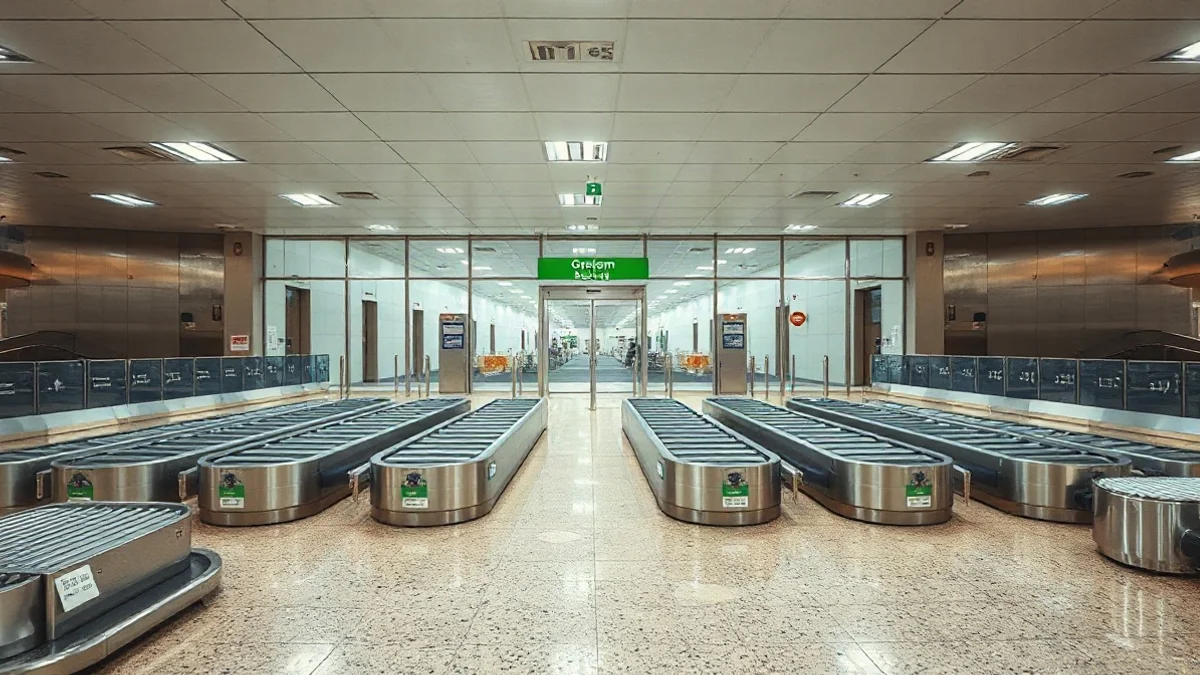
Long before passengers reach baggage reclaim, customs dogs sweep the area, weaving swiftly between carousels to inspect luggage. When a dog detects a trained scent, it sits beside the suspicious bag, providing the handler with an initial indicator. For example, during operations at Terminal 3, a dual-national woman returning to Israel with her seven-year-old son drew the persistent attention of a detection dog. Despite the passenger's attempts to alter her route and evade the animal, the handler calmly monitored the situation, intercepted her at the green lane, and escorted her to an inspection counter.
An immediate search revealed a hidden bag containing 1.3 grams of cocaine. Because of the small quantity, the suspect was not arrested on the spot, but intelligence investigators initiated preliminary questioning and transferred the findings to the Israel Police for further proceedings. In separate operations at major courier warehouses, dogs routinely sniff through massive stacks of cardboard boxes within seconds, successfully unearthing hidden contraband such as dozens of illicit electronic cigarettes disguised as ordinary parcels.
Discretion and Criminal Investigations
Customs enforcement balances rigorous security with operational discretion. When inspectors discover cash exceeding statutory declaration limits during baggage checks, they evaluate the circumstances carefully. Minor discrepancies involving couples or families often result in recorded details and released travelers to avoid unnecessary hardship. However, significant undeclared funds trigger formal tax authority investigations.
Similarly, illicit parcel interceptions at postal facilities and courier hubs frequently expand into joint investigations conducted by the tax authority and the Israel Police. These probes target not only the nominal recipients but also importers, shipping routes, and broader criminal distribution networks, proving that a single canine alert can dismantle extensive smuggling operations.