Luxury Hotels in Israel Outprice International Destinations in New Survey
A rate analysis reveals that luxury hotel stays in Israel often cost hundreds or thousands of shekels more than equivalent international destinations like Dubai and London.
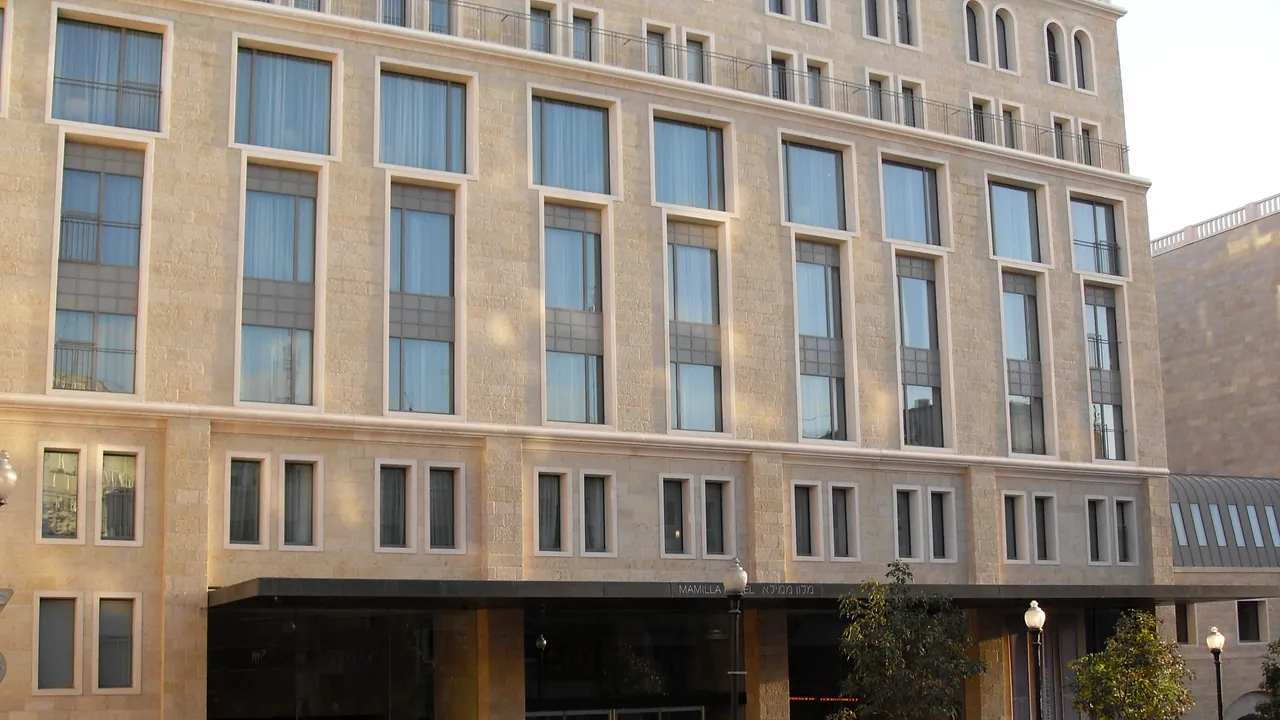
Planning a luxury weekend getaway in Israel often comes with a surprising realization: staying at a high-end international hotel brand abroad can be significantly cheaper than booking the local equivalent. A recent comparative rate analysis conducted by Kan 11 highlights price gaps reaching hundreds and thousands of shekels, while industry insiders argue that the standard of service in Israel does not always justify the steep costs.
Comparing Rates at International and Local Luxury Properties
A prominent example involves the Ritz-Carlton network. A two-night weekend stay for a couple at the chain's hotel in Herzliya costs 5,468 shekels, whereas rates in Dubai start at 4,741 shekels, and a room in London can be secured for 4,400 shekels. Similarly, a two-night vacation at the Six Senses property in Shaharut exceeds 5,000 shekels, outstripping the cost of a comparable stay at the same chain in Italy.
Domestic luxury resorts command even higher sums. Beresheet Hotel charges a full rate of 8,500 shekels for a single night in a standard 40-square-meter room featuring a balcony. Another high-end hotel offered a 32-square-meter deluxe room with a city-view balcony and half-board dining for approximately 6,000 shekels, marked down from a standard price of 7,100 shekels. Furthermore, Israeli luxury hotels typically mandate multi-night minimum bookings over weekends, turning spontaneous short trips into major financial commitments.
Family Vacations and Service Standards
The pricing discrepancy extends to family getaways. During the recent Sukkot holiday, a family of four paid roughly 11,000 shekels for a 100-square-meter suite in Dubai, while another family spent approximately 26,000 shekels for four nights in Eilat. Although room conditions varied, the figures underscore the staggering costs associated with domestic holidaying.
Tourism professionals point to broader concerns beyond the final bill, noting that service levels in domestic luxury establishments often lag behind leading international competitors. Critics argue that local staff lack equivalent service training, while property maintenance and culinary offerings frequently fall short of expectations set by four-figure nightly rates. Conversely, destinations like Dubai frequently include added perks in the baseline tariff.
Industry experts attribute persistent high prices in Israel to limited supply and steady demand. With relatively few luxury chains operating nationwide, consumers continue to book rooms despite soaring tariffs. As long as properties maintain high occupancy rates at these prices, hoteliers face little market pressure to reduce costs or upgrade guest value.