Oregon State Researchers Successfully Grow Potatoes in Simulated Lunar Soil
Oregon State University researchers successfully cultivated potatoes in simulated lunar soil enriched with vermicompost, advancing NASA's goals for sustainable food production on the Moon.
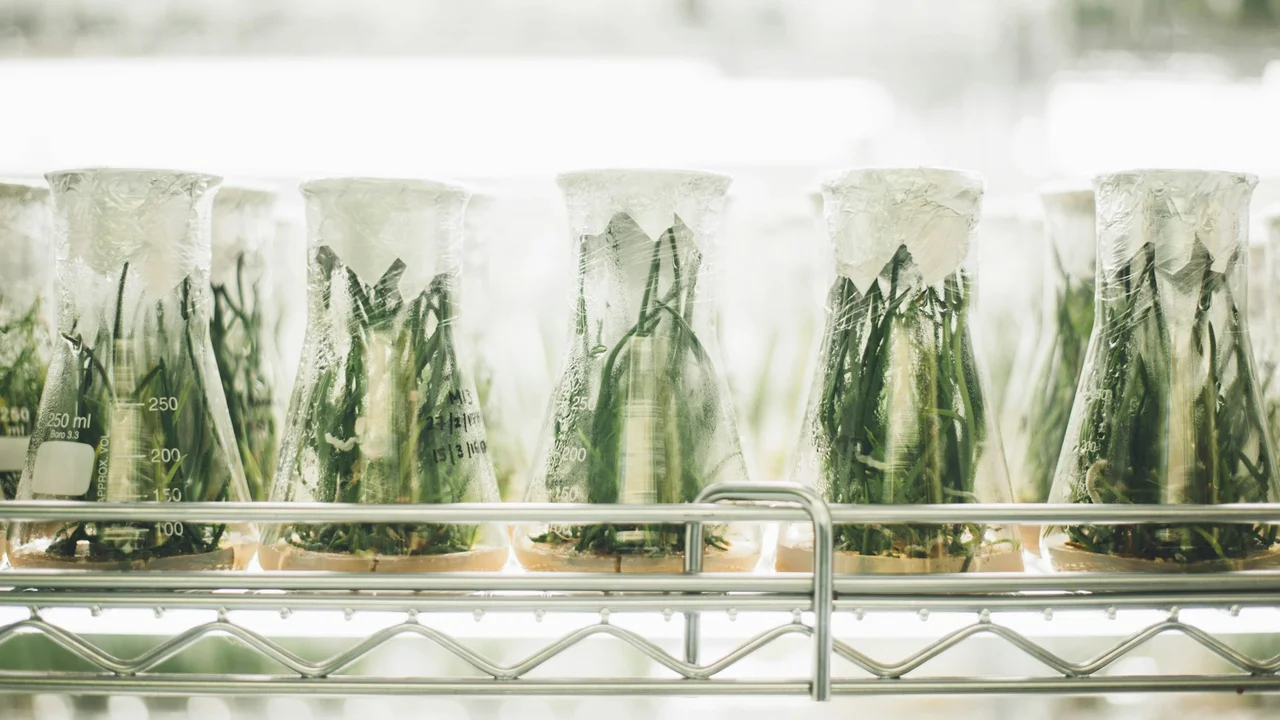
Researchers at Oregon State University have successfully cultivated potato plants in soil simulating lunar conditions, marking a significant step toward sustainable food production for future space missions. Funded by NASA, the study demonstrates that the popular crop can complete its full life cycle when the lunar regolith simulant is enriched with organic matter. The findings support NASA's Artemis program objectives of establishing a permanent human settlement on the Moon without relying on costly resupply missions from Earth.
Overcoming Lunar Regolith Challenges
Lunar regolith is the fragmented dust and loose rock covering the Moon's surface, formed over billions of years by meteorite impacts and solar particle bombardment. Lacking significant organic material, raw regolith poses severe obstacles to plant growth, including high concentrations of heavy metals. To address this, the research team tested lunar simulant soils mixed with varying amounts of vermicompost, an organic nutrient-rich additive produced by earthworms.
Dr. Aymeric Goyer from the Department of Botany and Plant Pathology at Oregon State University noted the breakthrough, stating: "We discovered that potatoes are capable of completing their entire life cycle in lunar simulant soil, provided it is enriched with organic matter. This is a significant step toward developing reliable food production systems that can support lunar exploration over the long term."
Optimal Composition and Nutritional Safety
The team evaluated five different regolith simulants representing distinct lunar regions, including lunar maria and lunar highlands, alongside high-yield agricultural soil from Hermiston, Oregon. Experimental results revealed that potato plants grown in simulant containing 30% vermicompost exhibited robust growth comparable to terrestrial crops. In contrast, plants grown without the organic supplement suffered severely stunted development and underdeveloped root systems, while mixes with 5% to 15% vermicompost showed only partial recovery.
Researchers concluded that the organic compost helps mitigate the toxic effects of the regolith by binding heavy metals and reducing their availability to plant roots. Furthermore, nutritional analysis confirmed that the harvested potatoes retained their nutritional quality without any statistically significant increase in glycoalkaloids, the natural toxins sometimes associated with green discoloration under the skin.
"We believe the compost helps buffer some of the toxic effects we identify in lunar regolith by reducing plant exposure to harmful compounds."
Future Steps for Lunar Agriculture
Potatoes were selected for the experiment because they yield more calories per unit area than many other staple crops while providing vital nutrients for long-duration space expeditions. Astronauts could theoretically transport a small initial quantity of vermicompost to the Moon and subsequently generate more by converting food scraps and plant waste into organic fertilizer. The research team is currently conducting follow-up trials testing ten different potato varieties in lunar simulants to identify the most resilient strains for future extraterrestrial farming.