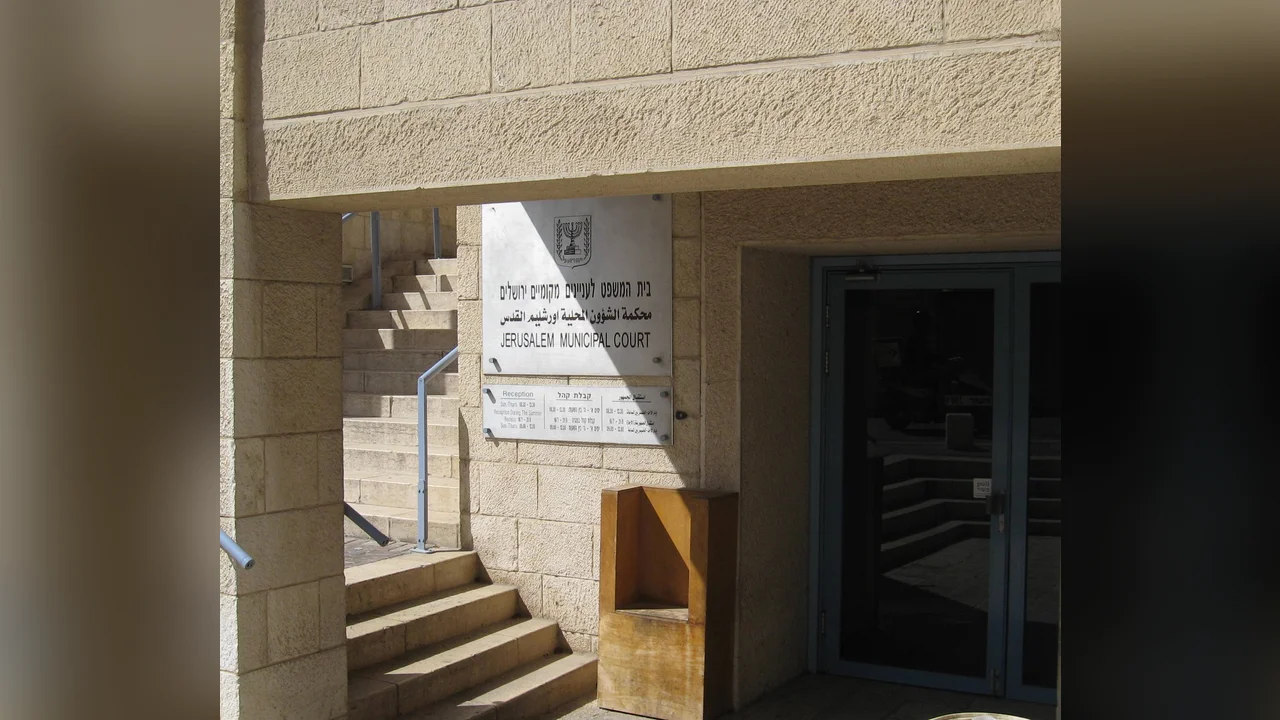
Court Dismisses Son's Will Challenge and Orders 40,000 Shekel Payment
A Kiryat Gat Family Court dismissed a son's challenge to his late parents' mutual will, rejecting claims of forgery and undue influence, and ordered him to pay 40,000 shekels in costs.
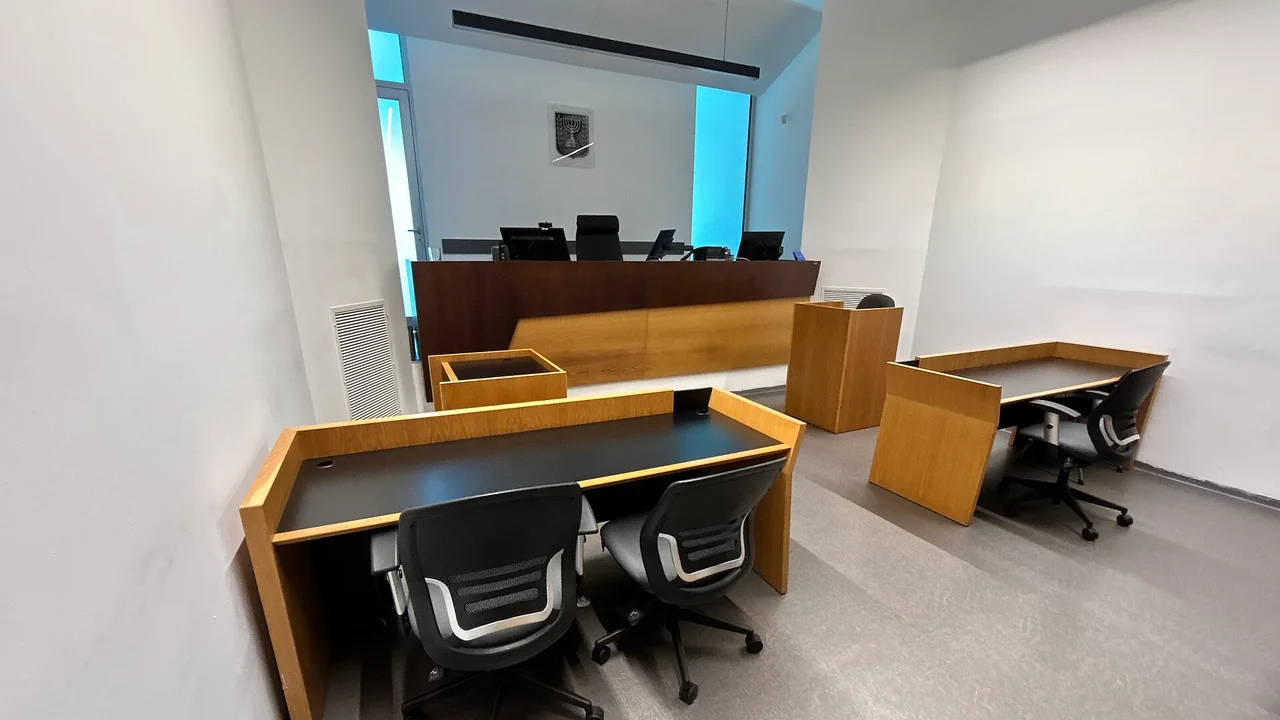
A Family Court in Kiryat Gat dismissed an objection filed by a man who challenged the mutual will of his late parents, ruling that the document is valid and ordering the objector to pay 40,000 shekels in legal costs.
The late parents executed a mutual will before a notary at their home in August 2021. Under the terms, they bequeathed their estate to each other, stipulating that upon the death of both, their residential property would be divided equally among their four children, while other assets would be allocated to only three of the siblings. They also expressed a desire to appoint their son-in-law as estate administrator. The father passed away in March 2022, followed by the mother roughly two months later. When one of the daughters petitioned to probate the wills, her brother filed an objection, alleging forgery, lack of testamentary capacity, undue influence, and fraudulent involvement by his siblings and brother-in-law.
Court Findings and Medical Assessment
Judge Ben Shalev noted that because the father used a wheelchair and required assistance, the notary should have obtained a medical certificate in accordance with notary regulations. The absence of this certificate constituted a formal defect, which shifted the legal burden to the siblings to prove that the will genuinely reflected their father's free will. However, the court ruled that the siblings successfully met this burden.
A court-appointed medical expert estimated that the probability of the father possessing testamentary capacity was high, dismissing claims that depression or prescribed medication impaired his judgment. Although a handwriting expert could not definitively verify the father's signature due to unreliable comparison samples and discovered signs of physical weakness in the handwriting, Judge Shalev accepted the testimony of the notary and a caregiver confirming the father signed the document himself. Regarding the mother, the handwriting expert verified her signatures with the highest degree of certainty.
Dismissal of Claims and Final Order
The court found that the parents independently provided instructions to the notary during private meetings, and that the son-in-law's initial contact with the notary did not constitute improper involvement. Furthermore, the evidence showed the parents were not isolated from others, and the will's unequal asset distribution reflected a deliberate balance between providing for the son and expressing displeasure with his conduct toward them.
Judge Shalev dismissed both objections and ordered the probate of the wills. The objecting son was ordered to pay 40,000 shekels in legal costs, alongside a reimbursement of expert fees with linkage and interest within 30 days.