815 Israeli Construction Companies Collapse in 2026 Amid Surging Costs
CofaceBDi reports that 815 construction firms collapsed in Israel in 2026 as soaring costs and labor shortages squeeze profitability, though 44 percent of contractors plan to increase investments in 2027.
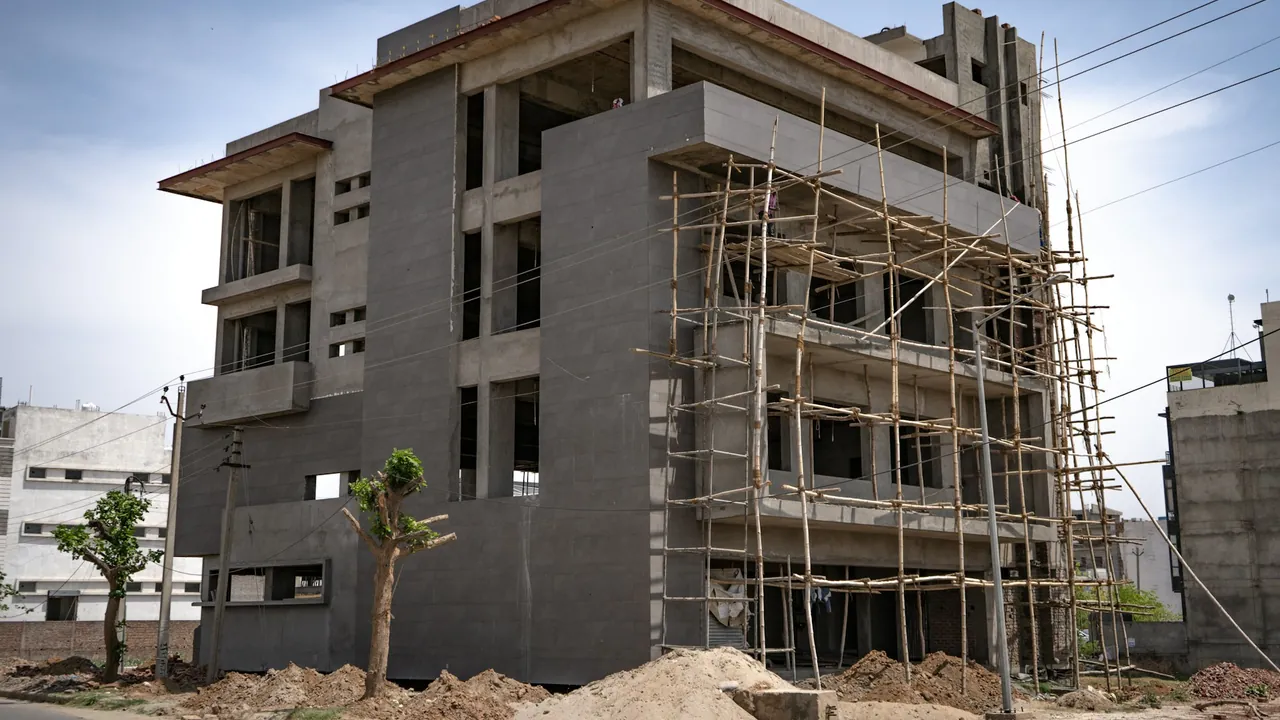
A total of 815 construction and infrastructure companies collapsed in Israel during 2026, marking an 85 percent surge in corporate failures since 2022, according to the annual construction sector survey published by CofaceBDi. The findings reveal a widening gap between high operational activity in the housing market and the deteriorating financial health of contracting firms.
Escalating Costs and Profit Squeezes
The survey, which polled approximately 190 contractors and construction companies, highlights severe pressure on profitability. Pre-tax profits for publicly traded construction firms were more than halved within a span of two years. Meanwhile, 93 percent of contractors reported surging execution costs, with 57 percent indicating that cost increases exceeded 15 percent. Rising outlays for labor, raw materials, and financing have forced 68 percent of builders to absorb the added expenses independently, directly eroding profit margins as gross profitability fell from 17.7 percent in the first half of 2024 to 15.3 percent in the first half of 2026.
Financial leverage has simultaneously intensified. Short-term bank liabilities rose to 20.6 percent of total balance sheets, while net financing expenses jumped from 4.2 percent to 6.7 percent of total revenues. The business risk index for the construction sector reached 7.11 in the third quarter of 2026, compared to 6.52 for the broader economy, reflecting elevated operational risks driven by prolonged project timelines, personnel shortages, and a challenging macroeconomic environment.
Labor Shortages and Productivity Hurdles
The acute workforce shortage remains a primary driver of industry distress. According to the survey, 85 percent of companies reported labor shortages, with 72 percent identifying it as one of their top three operational challenges. Deficits are most prominent in finishing trades, cited by 59 percent of respondents, and structural shell and wet works, noted by 57 percent. Although 65 percent of firms integrated new foreign workers, results were mixed: 49 percent observed productivity improvements, while 39 percent reported a decline in performance.
Daniela Raz-Weinreb, Data and Product Vice President at CofaceBDi, characterized the market dynamic as paradoxical:
"On one hand, this is an active sector with high housing starts, strong demographic demand, and growing urban renewal. On the other hand, firms operate under heavy pressure, including eroded profitability, rising financing burdens, long execution times, acute workforce shortages, and high business risk amid security uncertainties."
Market Sentiment and Outlook for 2027
Despite ongoing difficulties, contractor sentiment shows signs of resilience regarding future investment. While 34.6 percent of respondents feel less optimistic about the sector compared to last year, 44 percent of builders plan to increase investments in 2027—nearly double the 22.6 percent planning to scale back. Furthermore, 83 percent of surveyed contractors anticipate that housing prices will continue to climb.
Heightened risk has also altered consumer behavior. A companion survey of apartment buyers indicates that 65 percent investigate a developer's credentials before finalizing a transaction. Key evaluation criteria include corporate reliability and fulfillment of commitments at 77 percent, company reputation at 68 percent, financial stability at 64 percent, and financial backing at 55 percent.