Israeli Olive Oils Found to Contain Three Times More Polyphenols Than Imports
A new study shows Israeli olive oils contain nearly triple the polyphenols of imported brands, boosting health benefits ahead of a 2028 Ministry of Health labeling reform.
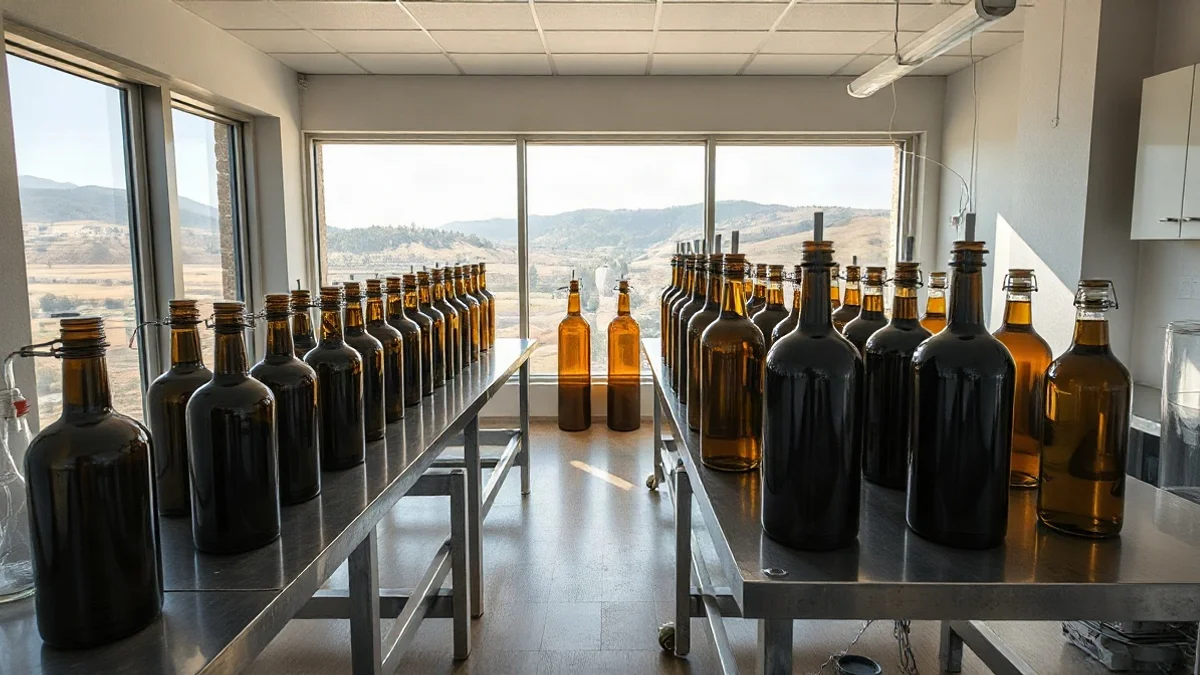
A comparative laboratory analysis presented at the annual Olive Industry Conference in Kiryat Shmona reveals that local Israeli olive oils contain nearly triple the amount of health-promoting polyphenols compared to imported varieties. The event, hosted as part of the Olive Branch Days Festival under the banner "First Harvest: Between Health and Longevity", was led by Dr. Louis Bashir, head of the Department of Food Sciences at Tel-Hai Academic University, and Dr. Adi Naeh, director of the Olive Department at the Plant Production and Marketing Board.
The Science Behind Local Polyphenol Levels
Researchers tested 11 Israeli olive oils against eight imported products, measuring concentrations of polyphenols—the natural antioxidants responsible for the bitter-pungent taste profile and significant health benefits of quality oil. Local oils recorded an average of 573 milligrams of polyphenols per kilogram, with several premium bottles approaching the 1,000-milligram threshold. In contrast, imported oils averaged only 180 milligrams per kilogram, with some dropping to 140 milligrams.
These findings arrive ahead of a forthcoming regulatory reform led by the Ministry of Health. Beginning in January 2028, Israel will officially authorize a health claim on olive oil labels for the first time, but only for products containing at least 250 milligrams of phenols per kilogram—a benchmark that many of the tested imports failed to reach. Dr. Bashir emphasized that the high concentration is particularly notable in early-harvest oils rich in bioactive compounds such as oleocanthal and oleacein, which are studied for their potential to reduce oxidative stress and inflammation while supporting healthy aging.
Professional Tasting and the New Golan Variety
During a professional tasting session led by olive-growing instructor Nizar Abd El-Hadi, participants sampled oil pressed at Kibbutz Geshur in the Golan Heights from a new olive cultivar named "Lavi". The variety was developed in honor of the late agricultural researcher Prof. Shimon Lavi, who pioneered the popular Barnea cultivar. The resulting oil delivered a bold, bitter, and pungent flavor profile that illustrates the distinct characteristics of domestic production.
Clinical dietitian Meirav Mor-Opir, a scientific consultant to the Plant Production and Marketing Board, linked product freshness directly to longevity. She noted that because domestic oils do not undergo long sea voyages in heated containers or prolonged overseas storage, they reach supermarket shelves significantly fresher than imports. Mor-Opir also cautioned against widespread adulteration driven by global climate shocks and droughts in Europe, noting that consumers have frequently grown accustomed to oxidized or rancid flavor profiles found in commercial products.
Practical Rules for Preserving Olive Oil
To maximize shelf life and maintain nutritional integrity at home, experts recommended four essential storage guidelines:
- Container selection: Opt for small, opaque containers made of dark glass or tin rather than transparent plastic to block light exposure.
- Oxygen reduction: Transfer large bulk purchases into smaller bottles to minimize headspace oxygen.
- Temperature control: Store bottles away from heat sources such as stovetops, ovens, and sunny windows.
- Cooking application: High-quality olive oil is well-suited for frying, containing approximately 74% oleic acid—compared to roughly 64% in canola oil—alongside protective antioxidants that stabilize the oil under high heat.