How will the fighters in Gaza and Lebanon vote - and what if there are sirens at the polling station
Identification via dog tags and an additional soldier, voting in protected spaces, and documentation in case of evacuation to a shelter: The cannons are roaring even as elections approach, and the Central Elections Committee is preparing for various scenarios. Decisions regarding voting during wartime, and also: the concern in the Likud about "bribery."

The presidency of the Central Elections Committee, chaired by Judge Noam Sohlberg and with the participation of CEO Adv. Din Livne alongside party representatives, approved today (Thursday) a series of regulations related to the election procedure. Among the decisions approved are the voting of combatants in the territory of Lebanon, Syria, and the Gaza Strip, and the exercise of the right to vote throughout Israel safely in the event of missile fire.
According to the IDF, combatants located in Lebanon, Gaza, or Syria cannot bring an identity card deep into enemy territory. Therefore, it was decided that the identification of combatants at polling stations in the field will be done with the help of a dog tag and an additional soldier who will identify and verify the identity of the soldier voting; the entire procedure will be documented in a protocol. In addition, the same protocol applies to double envelopes that are counted with a delay so that the Central Elections Committee will have time to perform an additional verification of the identification.
In the event of sirens or missile fire on election day, the presidency's decision determined that voting will be stopped, and the election purity inspector will turn on a camera to monitor what is happening. The envelopes outside the polling station will be placed in a designated envelope, and the polling station secretary or an employee of the Central Elections Committee — and not a party representative — will be the one to lock the polling station and take it to the protected space. According to Central Elections Committee officials, the aspiration is to hold the votes inside protected spaces from the outset, especially in places near confrontation lines. The committee will receive access to all relevant public buildings in the country, but in places where the polling station will not be in a protected space from the start, the mentioned procedure will be implemented with everything documented.
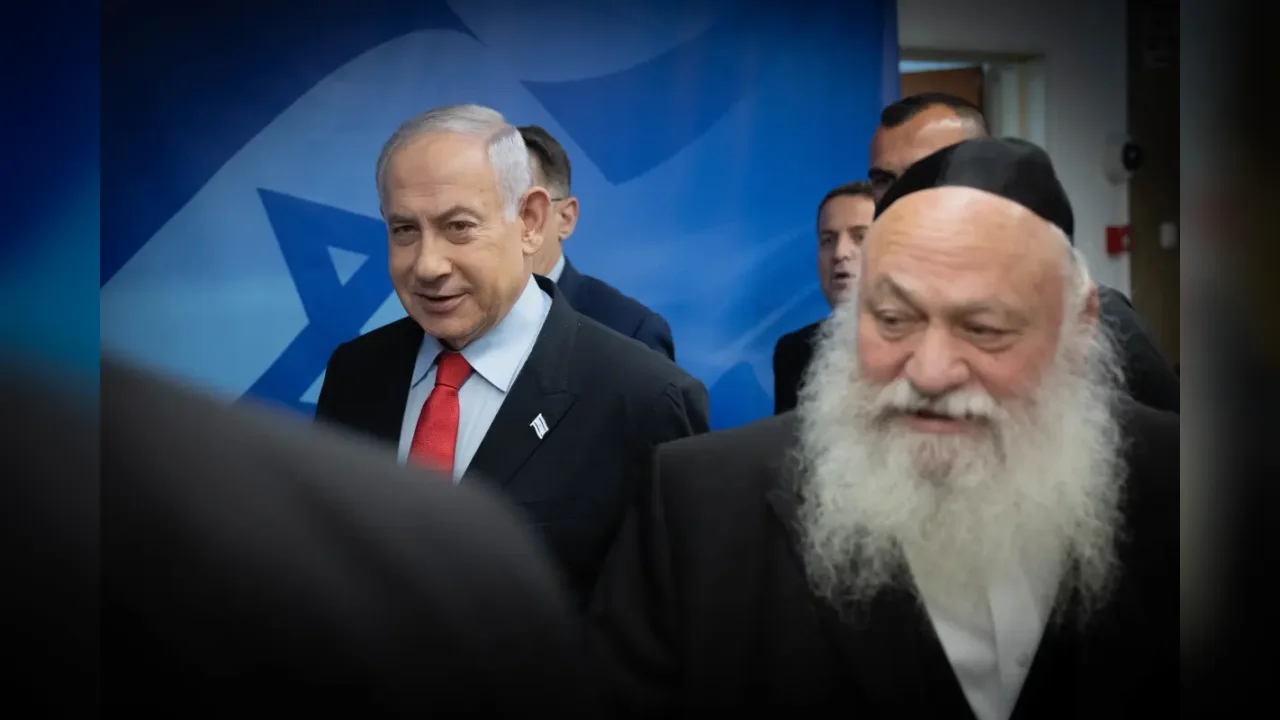
The party members in the presidency are Adv. Ilan Bombach, who represents the Likud, MK Erez Malul from Shas, MK Vladimir Beliak from Yesh Atid, and MK Yael Ron Ben-Moshe from Blue and White. Following a letter sent to the legal advisor of the Central Elections Committee, Likud representative Adv. Bombach asked Sohlberg to issue clear instructions regarding election bribery and violations of election laws so that the public will know and comply. This comes against the background of claims and letters that Bombach sent on the matter, mainly against an initiative to encourage bringing voters from abroad and hosting them for free, an initiative that the coalition fears will help the liberal camp.
This week it was published on ynet that ahead of the elections to be held on October 27, the Shin Bet established a dedicated team that will be responsible for maintaining the purity of the elections. The organization began preparations in recent months, and as part of its role, the new team maintains continuous contact with the Central Elections Committee, the police, and various regulatory bodies with the aim of monitoring possible threats in advance. The Shin Bet identified three main threats for the election period: attacks on an ideological background, which the Shin Bet works to thwart even in routine times; thwarting and monitoring threats against candidates; and attempts by foreign countries to influence the elections, mainly through cyber and the operation of bots on social networks. Sources said regarding the third threat that an escalation was identified in the attempt by enemy states, among them Iran, Russia, and China, to incite Israelis to perform actions that will inflame passions and could cause internal conflict, while increasing existing rifts.