How to keep your bread soft and fresh for a long time
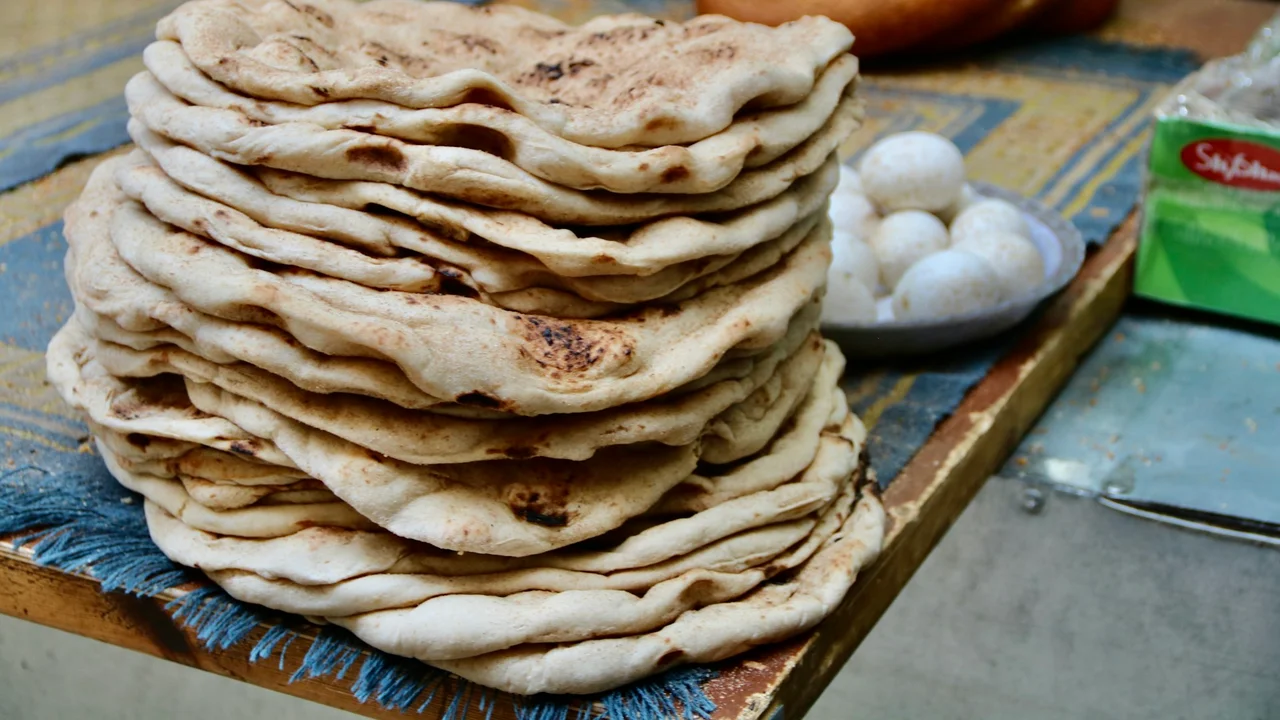
If there is one thing almost all of us do with bread, it is to save it "for tomorrow." The problem is that most of the time, when tomorrow comes, the loaf that was once soft and fresh becomes hard, dry, and less tempting. However, the reason for this is not as simple as it seems, and the solution may be related to an ancient baking method that has been returning to many kitchens in recent years.
If there is one thing almost all of us do with bread, it is to save it "for tomorrow." The problem is that most of the time, when tomorrow comes, the loaf that was once soft and fresh becomes hard, dry, and less tempting. However, the reason for this is not as simple as it seems, and the solution may be related to an ancient baking method that has been returning to many kitchens in recent years.
Bread does not lose its freshness just because water evaporates from it. Inside the dough, a process occurs where starch molecules, which underwent a change during baking, begin to reorganize as the bread cools. The result is the hard texture we all recognize as "stale" bread. This process even has a name: starch retrogradation. When bread is baked in the oven, heat and water make the starch soft and flexible, but after cooling, it begins to crystallize again, and water migrates between parts of the bread.
Not in the fridge: The mistake many make with bread
If you are in the habit of keeping your regular bread in the fridge to extend its life, you should know that cold temperatures actually accelerate the starch crystallization process and make the bread hard and less tasty faster. Freezing, on the other hand, works quite differently: it significantly slows down these molecular changes and preserves the bread's structure. But if you want to keep it at room temperature, that is where a particularly ancient method comes into play — sourdough.
Long before industrial yeast became the standard in modern baking, people used fermented dough to bake bread. Sourdough bread is based on a natural community of wild yeast and lactic acid bacteria, which ferment the dough and produce unique acids and compounds that change its chemistry. A 2024 study that compared sourdough bread to regular bread over seven days of storage found that sourdough bread hardened at a much slower rate and showed lower levels of starch crystallization. The researchers found that the acidic environment created during sourdough fermentation helps inhibit starch crystallization, thereby keeping the bread soft for a longer time.
Sourdough is not a magic solution — but it can help
Despite the scientific benefits of sourdough, it does not make bread completely immune to aging. The rate at which bread loses its freshness depends on a variety of factors, including the specific recipe, the amount of moisture in the dough, storage temperature, and the type of packaging. In addition, it is important to distinguish between bread that has hardened and bread that has spoiled: bread can become hard and unpleasant to eat even without any sign of mold, while excessive moisture or improper storage can encourage the growth of mold and fungi. Therefore, trying to trap as much moisture as possible in a completely airtight package, without considering water condensation, can create a new problem of rapid spoilage.
If you bake yourself, using sourdough is a good way to slow down the rate of bread hardening, although the result always depends on the type of bread and the fermentation process. For regular bread you bought at the store, the key is proper storage. If you plan to finish the loaf within a few days, keep it tightly sealed at room temperature, away from extreme heat and humidity. If you know you won't finish it soon, it is better to slice the bread, divide it into portions, and freeze it immediately, instead of putting it in the fridge, which accelerates its hardening.
Even if your bread has already lost its softness, it does not mean its path to the trash is paved. Reheating can restore some of the bread's softness, because the heat interferes with the rigid starch structures formed during hardening. You can bring the loaf back to life by heating it briefly in the oven, or simply turn the slices into crispy toast, croutons for soup, homemade breadcrumbs, or a variety of other dishes. Ultimately, the ancient sourdough method shows that sometimes the small changes we make at the preparation stage affect the result over time. With a little understanding of natural processes and proper storage, you can enjoy softer and tastier bread — and reduce waste in the kitchen.