How Much Does It Cost to Be Rich? The World's Most Expensive Cities
Even the world's wealthiest are not immune to economic shifts. A new report by Julius Baer reveals the rising costs of a luxury lifestyle and how global elites are adapting their financial habits.
The lifestyle of the world's wealthy continues to become more expensive, with the average cost of maintaining a luxury standard of living rising by 10.2% in dollar terms over the past year. This is according to the "Global Wealth and Lifestyle Report 2026" by the Swiss wealth management bank Julius Baer, which examined the costs, habits, and consumption preferences of high-net-worth individuals around the world.
According to the report, Singapore continues to hold the top spot on the list of the most expensive cities for the wealthy for the fourth consecutive year, mainly due to high real estate prices, vehicle costs, and a strong local currency. It is followed by Zurich, Switzerland, which benefited from the strengthening of the Swiss franc; Monaco also entered the top three for the first time.
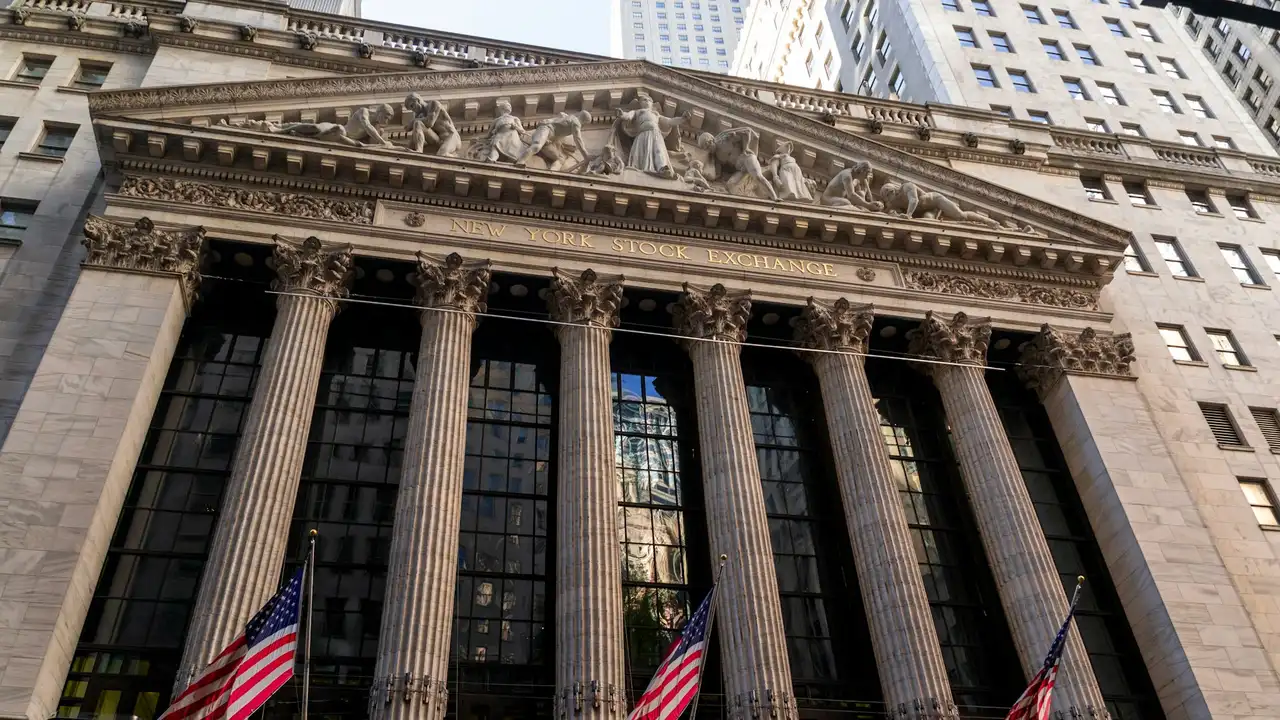
On the other hand, cities that were previously considered major luxury hubs have fallen in the rankings. Hong Kong reached fourth place, London fifth, and Dubai dropped to 14th place, partly due to the pegging of the local currency to the US dollar. The United States also failed to place any city in the top ten, with New York being the highest-ranked city on the American continent.
The price increase is not only due to regular inflation but also to sharp fluctuations in exchange rates and a rise in raw material prices. For example, the sharp rise in the price of gold since 2024 has led to a 16.4% increase in jewelry prices and a 15.5% increase in watch prices. The entire basket of luxury goods has become 12.3% more expensive.
Alongside the rise in expenses, the report also points to a change in the behavior of high-net-worth individuals. Between 82% and 95% of them report high concern about the geopolitical situation in the world, and this affects their consumption and investment decisions. More and more wealthy people prefer to spend money on experiences, luxury hospitality, and health, based on the concept that "health is wealth."
In addition, high-net-worth individuals are changing the way they purchase expensive products. More than half of them are considering flying to other countries to purchase luxury goods at more affordable prices, and about a quarter are already making such purchases in practice. In the investment field, a more cautious trend is also being recorded, as many are increasing liquidity, diversifying investments across countries, and purchasing assets considered more defensive, including precious metals.
The report actually presents a picture of a parallel economy, in which even high-net-worth individuals face uncertainty and price increases, but use different tools to deal with the changing reality. While the general public examines food and housing prices, the world's wealthy deal with the costs of luxury real estate, changing currencies, and shifts in global consumption habits.