Five things to know ahead of the stock market opening
Trading in Tel Aviv will open against the backdrop of declines worldwide. Palo Alto will begin trading this morning within the leading indices, its weight is still low. Dual listing: Tower will jump at the opening, Nova will fall. The US employment report will be published in the afternoon, Bank of America: the report will indicate a stable labor market. According to JPMorgan, the market is pricing in a slowdown in the chip and technology sector, 'it will not happen'. Globes puts things in order ahead of the market opening.
Trading review: current reports, trends, indices, stock prices, bonds, foreign exchange and commodities, and analyst recommendations. 7:45.
1. Stock market
Trading in Tel Aviv will open this morning against the backdrop of negative sentiment worldwide. Wall Street closed yesterday with declines and futures this morning signal declines at the opening of trading, and trading in Asia is trending red, except for China's indices. Dual-listed stocks return to Tel Aviv with balancing arbitrage gaps - Tower (66100, -0.66%) which jumped yesterday on Wall Street with a positive gap of about 4%, Nova (120480, -2.71%) with a negative gap of 3% following the reports. Camtek (45230, +0.07%) will rise by 2%, the rest of the dual-listed stocks have small gaps that will not have an impact.
TA-35 and TA-125 receive this morning the largest company on the stock exchange: Palo Alto (107440, -3.93%) joined yesterday evening following the index update. The stock, which returns from Wall Street with a marginal arbitrage gap, enters the stock exchange indices in a gradual process. In the first stage with a reduced weight of a quarter of the full expected weight (5%), or 1.25%. In November its weight will rise to 2.5% and only in the third update will it reach the full weight, 5%. The move comes as part of the company's dual listing, and is expected to increase the exposure of investors in Israel to the cyber giant's stock.
Yesterday, at the end of a volatile day, trading in Tel Aviv closed this evening with a positive trend - the TA-35 index rose by about 0.3%, TA-90 closed with a marginal rise. The trading volume yesterday was unusual, about 16 billion shekels and was due to the index update at the end of trading, 1.3 billion shekels changed hands only in Palo Alto. The rises were led by energy stocks which rose 2%, followed by the cleantech and biomed sectors, 1.1% and 0.8% respectively. At the head of the prominent green stocks are Ormat Technologies (32390, +8.98%), Energix (2097, +2.49%) and Opko Health (400.1, +2.91%). The banks also rose by about 1%, led by Bank Leumi (7442, +2.51%) which rose by over 2%. On the other hand, the TA-Income Real Estate index and the TA-Oil and Gas index fell by almost 1%.
The geothermal energy company Ormat (32390, +8.98%) stood out yesterday after reporting an increase in revenue and profit in the second quarter of 2026 compared to the corresponding quarter. For 2026, the company is raising its revenue expectations to 1.15-1.2 billion dollars. This is compared to forecasts for revenues of 1.11-1.16 billion dollars. Fox (29000, +3.20%) stock jumped after signing an agreement that will increase its holding in the fashion brand Itay Brands from 56% to 63%. Nofar Energy (17330, +2.00%) stock attracted interest following the company's board of directors' decision to carry out a voluntary early redemption on its own initiative of bonds from series A and E.
Trading in Asia this morning is trending red, except for China's indices which are rising. The Japanese Nikkei is falling by about 0.8% and the South Korean KOSPI is losing about 1.5%. Hong Kong's Hang Seng is rising by 0.2% and China's Shanghai is adding 0.5%. Wall Street futures are trading this morning with slight declines of up to 0.2%. Yesterday, the rise in oil prices sent the leading indices on Wall Street to declines and raised the yields of US government bonds, against the backdrop of growing concerns about increasing inflationary pressures ahead of the publication of the employment report today.
Nasdaq closed with a small decline against the backdrop of weakness in chip and storage memory stocks, including SanDisk (1258.58, -6.81%) and Western Digital (451.52, -13.03%). Both companies presented strong results, but investors expected more. S&P 500 fell by 0.2%, and Dow Jones stopped after six days of rises and fell by 0.8%, weighed down by declines in Salesforce (186.82, -3.13%), Boeing (232.175, -3.33%) and UnitedHealth (169.8, -1.09%) stocks. Almost all sectors in the S&P 500 index traded with declines, with only two out of 11 sectors in positive territory. The energy sector (XLE (58.18, +1.54%)) led the rises with a jump of more than 1%, while the communications sector (XLC) with a marginal rise. Among the energy stocks, ExxonMobil (154.83, +2.12%) and Chevron (189.24, +1.52%) stood out. The rises in energy stocks come against the backdrop of the jump in oil prices. Earlier this week, President Donald Trump said that ExxonMobil and Chevron are 'making too much money' from the jump in oil prices caused by the tensions in the Middle East. Developments in the Strait of Hormuz continue to affect oil prices - the escalation in the Middle East and uncertainty surrounding the agreement to open the Strait of Hormuz are pushing the price of Brent oil above 83 dollars per barrel.
Iran's state news agency published a draft plan including restrictive conditions for the movement of vessels in the Strait of Hormuz. According to the draft plan, it seems that Iran will prohibit American and Israeli ships from passing through the strait. Other countries that have harmed Iran will not be allowed to pass through the strait until they pay compensation, according to the draft. Tehran will impose fines on violators at a rate equal to 20% of the value of the cargo on board the ship. The rise in oil also pushed bond yields, the 10-year yield is rising to about 4.68% and the 30-year yield to about 5.23%. The geopolitical developments come at a time when some senior Federal Reserve officials support another interest rate hike to curb inflation. According to Weil Hartman from BMO Capital Markets, the latest economic data continue to point to the resilience of the labor market, and strengthen the assessment that inflation will be the central factor in the central bank's interest rate decision in September. According to estimates, employers in the US are increasing the pace of hiring in July, which indicates a stable demand for workers despite the high inflation environment. Economists predict that the employment report to be published today (Friday) will indicate an addition of 80 thousand jobs, after only 57 thousand jobs were added in June, a figure that was lower than the forecasts.
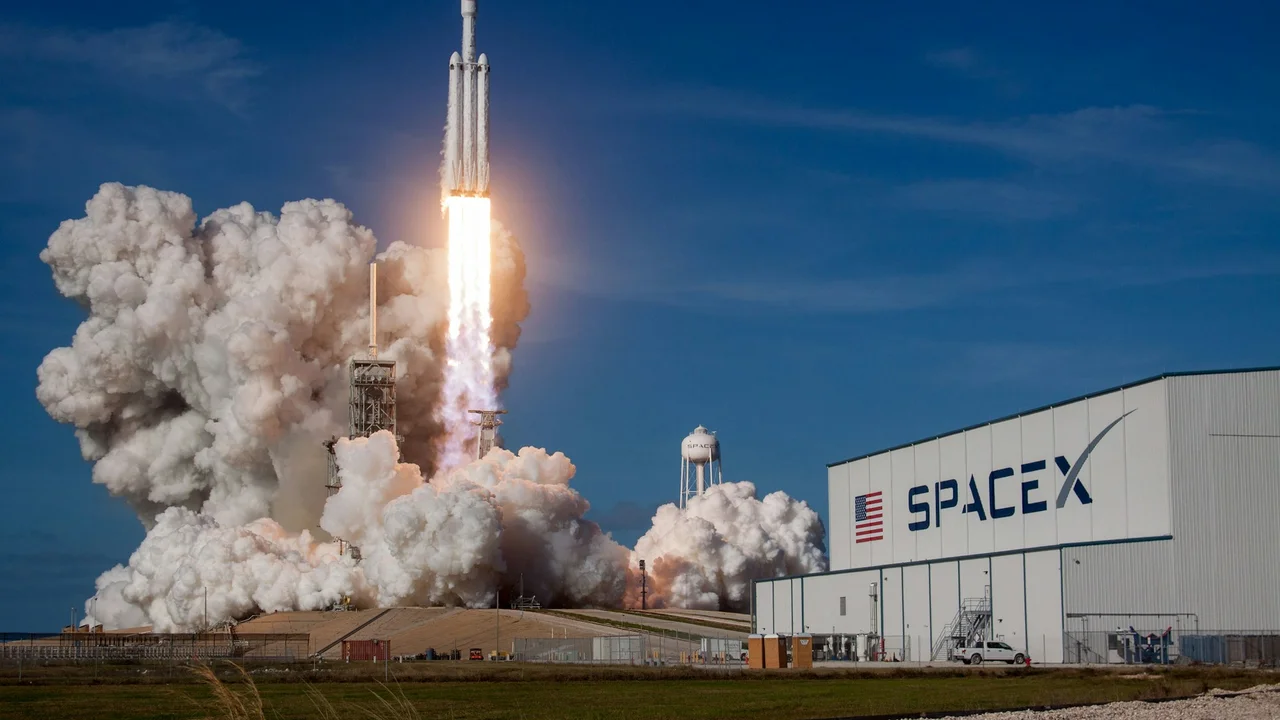
Also yesterday: Alphabet (Google) (356.62, -0.97%) is considering raising up to 25 billion dollars in the US bond market, in a move that tests investor appetite for technology company debt after the wave of sales in the bond market in July. The private investment fund Apollo Global Management agreed to acquire the British airline easyJet (6.7070, +3.33%) for about 5.7 billion pounds (about 7.7 billion dollars), after overcoming rival Castlelake in a bidding struggle that lasted months. SpaceX stock was in focus when for the first time since the IPO, stakeholders and early investors could sell their shares. But contrary to forecasts, the stock recovered after the release of the shares to the market. It is rising after falling to a new low. It seems that investors absorbed the initial wave of supply.
After months of struggle: Apollo takes over the airline easyJet (6.7070, +3.33%). The American investment fund will pay 5.7 billion pounds for easyJet, after bypassing another rival at the last moment in a takeover struggle that lasted months. Completing the deal will make easyJet a private company, after it was listed on the London Stock Exchange in November 2000. However, the road to completing the deal is not simple: since Apollo is an American fund, the deal will need to meet the ownership rules in aviation in the UK and Europe, which require European control over airlines holding operating licenses.
Israelis on Wall Street: The shareholders' meeting of Monday (87.57, -4.24%) approved the doubling of the compensation package for co-CEOs Roy Mann and Eran Zinman, just a few weeks after firing about 620 employees about two weeks ago, and after Monday stock lost about 38% of its value since the beginning of the year. The value of each of their salary packages is expected to rise gradually from 7.3 million dollars to 14.6 million dollars by 2029. Yesterday, before the approval, the company published an explanation for the move to its employees following the criticism of the proximity between the request for a raise and the layoffs. 'Completely separate processes, with schedules that are not dependent on each other', it was written. The gaming company Playtika (3.29, -15.42%) fell sharply despite returning to profit in the second quarter of 2026, after ending the previous quarter with a loss. Amdocs (59.12, +6.93%) jumped after reporting a quarterly profit of 1.84 dollars per share, in line with analyst forecasts, compared to a profit of 1.72 dollars per share in the corresponding period last year.
2. Bond market
The relative calm in the military arena between the US and Iran alongside the volatile discussions regarding the Strait of Hormuz, is reflected in the US debt market. Since the beginning of the week, the yields to maturity on US government bonds for ten years have fallen from the 4.74% area to 4.62%. This is not a trivial matter for the solid market. Looking more broadly, it is still a sharp rise in yields since the last low in March - when they were below the 4% line.
Maalot published data from Standard & Poor's which note that 'the decrease in the intensity of the war in the Middle East against the backdrop of the signing of the memorandum of understanding between the US and Iran, alongside the continuation of large bond issues by hyperscalers (computing giants), contributed to an increase of about 11% in the volume of bond issues in the world (225 billion dollars so far)'. They also noted in Maalot that in the first six months of the year, intensive debt raising activity continued in Israel as well. 'The volume of issues reached a new peak of 100 billion shekels, compared to about 65 billion shekels in the corresponding period last year - an increase of more than 50%. The banks continued to stand out as dominant in the debt market, with issues in the amount of about 48 billion shekels, almost half of the issues since the beginning of the year'.
In the US, the rise in oil also pushed bond yields, the 10-year yield is rising to about 4.68% and the 30-year yield to about 5.23%. In the corporate bond market in the US - Alphabet (Google) (356.62, -0.97%) is considering raising up to 25 billion dollars in the US bond market, in a move that tests investor appetite for technology company debt after the wave of sales in the bond market in July. According to sources familiar with the matter, the company has not yet made a final decision regarding the volume of the issue. At the same time, the company updated investors through distribution banks that it intends to carry out two debt issues in the US each year - a message intended, it seems, to calm concerns about flooding the market with new debt from technology companies. The move comes after Alphabet raised 20 billion dollars in bonds in February, and later issued debt also in Swiss francs, pounds, euros, Canadian dollars and Japanese yen. In total, the company raised more than 50 billion dollars in debt in the first half of 2026, alongside raising almost 85 billion dollars through shares. The raisings reflect the need of technology giants to finance the huge investments in artificial intelligence infrastructure, which include building data centers and purchasing chips.
3. Commodities and currencies market
The escalation in tensions in the Middle East and the lack of uncertainty surrounding the agreement to reopen the Strait of Hormuz pushed the price of Brent oil above 84 dollars per barrel. Iran announced an agreement with Oman regarding a temporary shipping route, but clarified that the implementation depends on other parties not sabotaging the move.
The shekel this morning weakened against the dollar, which stands at a rate of 3.01 shekels. After already visiting the 3.08 shekel area, the dollar has weakened since the beginning of August by over 2% (representative: 3.013). Yossi Menashe, founder and co-CEO of Altshuler Shaham Financial Services, believes that 'trading will continue to be influenced mainly by the direction of the dollar in the world and regional developments. As long as a final agreement is not reached that will guarantee freedom of navigation in Hormuz, the risk premium is expected to continue to accompany trading and keep the foreign exchange market volatile'.
4. Macro
In the afternoon, the important figure of the week will be published - the monthly employment report, when economists estimate that it will indicate a continued healthy growth in the number of jobs, against the backdrop of the continued support of private consumption for economic activity. At Bank of America, they estimate that the employment report for July will indicate a stable labor market, with an addition of about 80 thousand jobs and a slight rise in the unemployment rate to 4.3% due to an increase in labor force participation - data that they say do not indicate a weakening of the economy. According to the bank's assessment, alongside inflation that remains stubborn, the strong labor market strengthens the forecast for three additional interest rate hikes by the Federal Reserve this year, and may even facilitate the decision to raise the interest rate as early as September. Accordingly, the bank recommends continuing to prefer investment in US government bonds for the short term, and estimates that any employment figure stronger than expected will lead to another rise in bond yields and more aggressive pricing of interest rate hikes.
Yesterday, the number of initial jobless claims in the US remained at a low level, which indicates the continued strength of the labor market. According to data from the US Department of Labor, new claims totaled 199 thousand in the week that ended on August 1 - only a slight rise compared to the previous week. This is the third consecutive week that the number of claims has remained below the 200 thousand threshold, a sequence not seen since 1969 (57 years), a period when such low levels of unemployment were more common and the US labor market was significantly smaller. The four-week moving average, which neutralizes weekly volatility, also fell to the lowest level since September 2022.
This morning, China's export data were published, which grew more than expected in July, even though growth slowed compared to the dizzying pace of June, when global demand for high-tech components helps absorb the country's goods. Exports grew by 23% (in dollar terms) in July compared to last year, as shown by official data from Chinese customs, thus bypassing analyst forecasts that predicted growth of 22.2%. This figure marks a slowdown compared to the jump of 27% in June, which was the fastest pace since October 2021. Imports rose by 27.5% last month, slightly less than analyst estimates which stood at 27.9%, and slowed compared to the jump of 36% in June - which was the fastest in five years.
5. Forecast
The sharp declines recorded recently in technology stocks in Asia and chip indices in the world do not herald the end of the wave of investments in artificial intelligence, so they estimate at the investment bank JPMorgan. In an updated report to investors, the bank clarifies that the current correction in the markets is due to excessive fear, while the economic fundamentals of the sector remain solid. 'If we look beyond the fluctuations in stock prices, we do not identify fundamental indicators that point to significant weakness in the next 6 to 12 months', it was written in the report.
At JPMorgan, they emphasized that cloud giants are not expected to reduce the scenarios for equipping computing infrastructure until 2027, and will continue to raise capital and debt for this purpose. According to the bank's assessment, the market is pricing in a slowdown that will not actually happen, while the demand for AI capabilities, alongside the integration of autonomous agents (Agentic AI) in the health and finance sectors, is boosting profitability. In the supply chain, manufacturers of equipment for microprocessors and advanced packaging technologies are marked as having the highest growth potential. In the long term, the bank estimates that the availability of electricity infrastructure, and not the shortage of chips, will become the main bottleneck of the field.