Five Things to Know Before the Market Opens
The Tel Aviv Stock Exchange opens amid optimism surrounding a potential US-Iran agreement, global market gains, and falling oil prices. Investors are closely watching upcoming US employment data.
Trading review: current reports, trends, indices, stock prices, bonds, foreign exchange and commodities, and analyst recommendations. 08:10.
1. Stock market
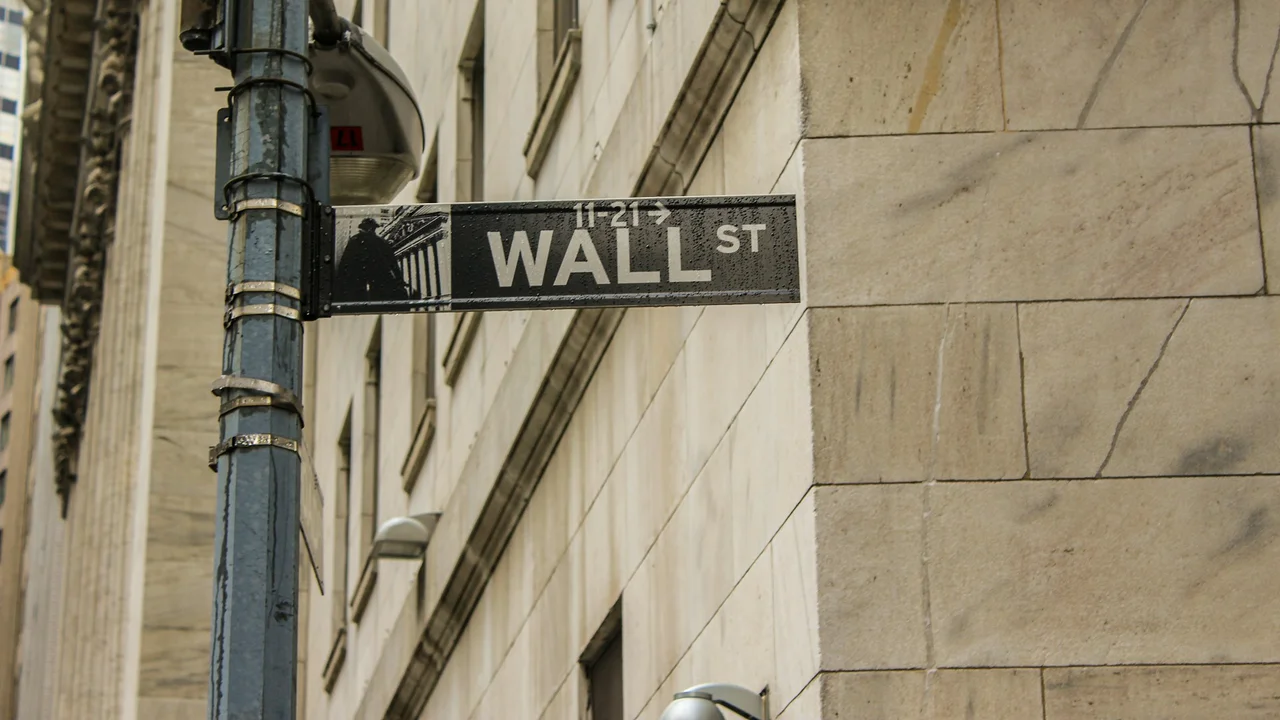
The Tel Aviv Stock Exchange will open this morning with good cards in its hand: optimism surrounding the agreement that will end the confrontation between the US and Iran, the rises in global stock exchanges, and the decline in oil prices. This morning in Asia there are sharp rises, and yesterday in New York, Wall Street broke records led by technology stocks that never stop surprising for the better in their financial reports.
President Donald Trump expressed optimism last night regarding the contacts with Iran, telling reporters in Los Angeles that "the negotiations are going well" and that the talks are "progressing very well." Within the next 48 hours, a clearer picture is expected to emerge regarding the possibility of reaching an agreement.
Banks will receive attention at the opening: last night it became known to Globes that the Banking Supervision Department distributed a draft of a special circular that will allow them to apply American accounting principles. This move will allow the banks to be listed for trading on Wall Street and may increase liquidity.
Tower is expected to jump this morning with a positive arbitrage gap of about 8%. Camtek will also jump by about 6%. In the midst of the reporting season, the stocks of El Al and the Tel Aviv Stock Exchange will attract interest this morning. Yesterday evening, the Stock Exchange reported that its revenues jumped by 36% in the second quarter and the net profit jumped by 81%.
2. Bond markets
The American bond market recorded rises (and bond yields are falling) ahead of the publication of employment data in the US and following the words of Treasury Secretary Scott Bessent, according to which an agreement with Iran to open the Strait of Hormuz may be signed as early as "today or tomorrow." The yield of the 10-year US government bond fell to 4.66%, the yield of the 2-year bond fell to 4.22%.
At the British investment giant Schroders, they believe that investors should focus these days on "quality current yield while avoiding excessive exposure to long duration." They recommend turning to corporate bonds with an investment grade of companies with strong balance sheets and stable cash flows.
3. Commodity and currency markets
The positive sentiment in the world is strengthening the shekel and weakening the dollar. The shekel is trading this morning at 2.995 shekels to the dollar, falling below 3 shekels for the first time in about a month. The Dollar Index (DXY) is trading at a low of about a month and a half. The positive sentiment is also supported by a further decline in oil prices: Brent crude is falling by 1.4% to 78.3 dollars per barrel, while WTI oil weakened by 1.7% to 74.5 dollars per barrel.
4. Macro
Ofer Klein, head of the economics and research division at Harel Insurance and Finance, marks the employment report for July as the "main event of the week." The consensus stands at an addition of about 85,000 jobs. Overseas, the US trade deficit amounted in June to 73.3 billion dollars, a figure higher than expected according to economists' forecasts.
5. Forecast
At J.P. Morgan, they pointed out that the valuation of the "Magnificent Seven" (Nvidia, Microsoft, Google, Apple, Amazon, Meta, and Tesla) has recently become extremely cheap. The forward price-to-earnings ratio of the MAGS ETF is below 24, its lowest level since the fund's launch in April 2023.