China Launches First Foreign Astronaut Muhammad Zeeshan Ali to Tiangong
China launched Pakistani Air Force pilot Muhammad Zeeshan Ali to the Tiangong space station on the Shenzhou 24 mission, marking Beijing's first foreign astronaut flight.
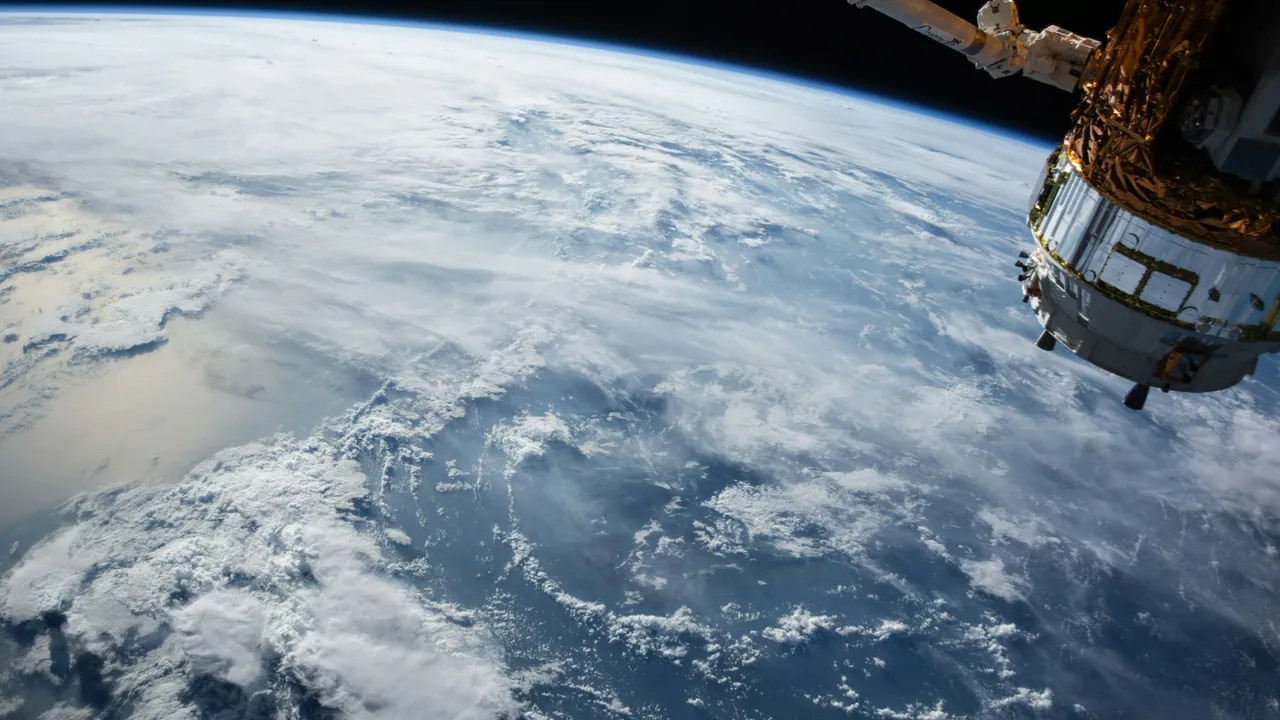
China has launched its first foreign astronaut to the Tiangong space station as part of the Shenzhou 24 mission. Muhammad Zeeshan Ali, a 40-year-old pilot and wing commander in the Pakistani Air Force, blasted off alongside Chinese commander Tang Hongbo and flight engineer Wu Yi.
Unlike his Chinese crewmates, who are scheduled to spend six months on the station, Ali will return to Earth after five to ten days aboard the orbital laboratory. He will descend alongside two members of the previous Shenzhou 23 mission, while another astronaut, Zhu Yingzhu, remains behind to potentially become the first Chinese national to complete a consecutive year in space.
Training and Selection Process
Ali was selected in April alongside Khurram Daud under a bilateral space agreement signed between Pakistan and China last year. In accordance with standard operational secrecy regarding Chinese space missions, Ali's assignment was officially announced only 24 hours before liftoff. The astronaut candidates underwent rigorous training programs in China, which included intensive Mandarin language studies.
Pakistani Prime Minister Shehbaz Sharif praised the milestone on social media, emphasizing the broader national significance of the flight.
"This is not only the journey of one astronaut, but the journey of 240 million Pakistanis. This is the journey of our younger generation, our scientists, and our dreams."
Speaking to reporters prior to launch, Ali noted that he carried the aspirations of his entire nation on his shoulders.
Scientific Experiments and Diplomatic Ties
While aboard the Tiangong station, Ali is tasked with conducting scientific experiments curated by the country's national space agency equivalent, SUPARCO, from hundreds of proposals submitted by Pakistani universities. His research agenda features cultivating quinoa plants and algae in microgravity, alongside testing self-healing material samples.
While Ali is the first Pakistani to enter Earth orbit, he is technically the second Pakistani in space following adventurer Namira Salim, who reached the edge of space aboard a 2023 Virgin Galactic suborbital tourism flight. China operates the Tiangong space station independently after being excluded from the International Space Station, utilizing the outpost as a cornerstone for expanding international scientific cooperation.