New Data Highlights Childhood Obesity Gaps as Lakiya Launches Pilot Program
New 2025 health data reveals high childhood obesity rates in Arab society. The "Appetite Dictionary" program in Lakiya kindergartens aims to promote healthy eating habits.
Ahead of World Diabetes Day, newly released data from the National Community Health Quality Indicators program for 2025 reveals concerning obesity rates among children and adolescents in Arab society, highlighting significant gaps compared to the national average.
According to the findings, severe obesity among 14-to-15-year-old boys in the Arab sector stands at 19.3%, compared to a national trend of 13.7%. A similar disparity appears among girls in the sector, where the obesity rate reaches 13.1%, compared to 11.5% nationally. Gaps were also identified among younger children across both genders.
The "Appetite Dictionary" Initiative
To address this pressing issue, a specialized program named the "Appetite Dictionary" has been developed to help reduce the consumption of foods that contribute to obesity. Created by clinical dietitian Yael Chen Rabea in collaboration with education and psychology professionals, the program teaches children to recognize hunger and satiety cues, understand physical body sensations, and identify emotional eating.
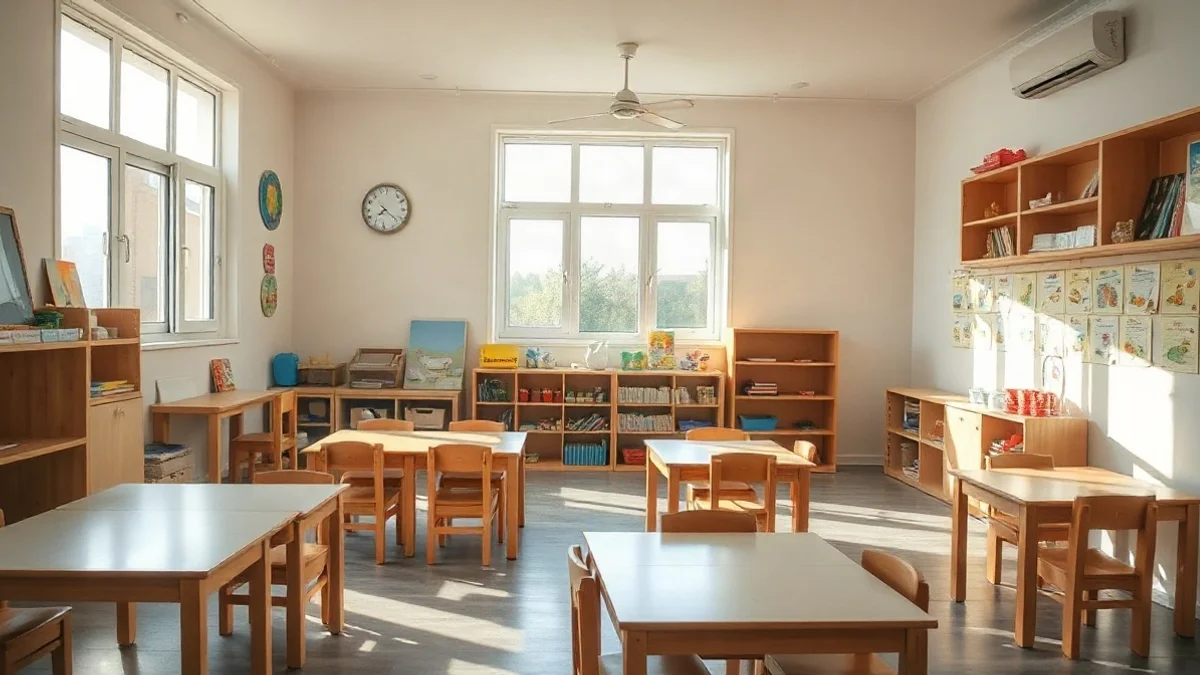
The initiative is currently running in 15 kindergartens in the southern Negev town of Lakiya. Designed for young children, the program uses stories, games, creative activities, experiments, and interactive tools such as activity workbooks and hunger-scale magnets to make healthy eating concepts accessible and engaging.
Community and Family Engagement
Recognizing the importance of a holistic approach, the content has been translated into Arabic and culturally adapted for the local community. Kindergarten teachers in Lakiya received structured activity guides, ongoing professional training, and year-round guidance from a dedicated clinical dietitian who works closely with staff, children, and parents.
The Western Negev Cluster, which oversees the implementation of the project, estimates that it directly impacts around 400 children. "We want to provide children with tools that will accompany them beyond the kindergarten," explained Odalia Radmi, head of nutrition at the cluster. "This is ongoing work that begins with small experiences and daily dialogue around food, working together with teachers and parents in a language suited to local families."
Inter-Agency Collaboration
The program is backed by the Ministry of Health, the Ministry of Education, and JDC-Israel (Joint). Funded with a budget of approximately 28,000 shekels allocated from the Ministry of Health's "Body and Soul" basket and JDC support, the initiative finances ongoing professional mentoring for educational teams, children, and families, yielding high engagement and positive feedback across participating communities.