Molecular Profiling Transforms Salivary Gland Cancer Treatment
Advanced molecular testing is transforming the treatment of rare salivary gland cancers, offering targeted therapy options for complex and recurrent cases.
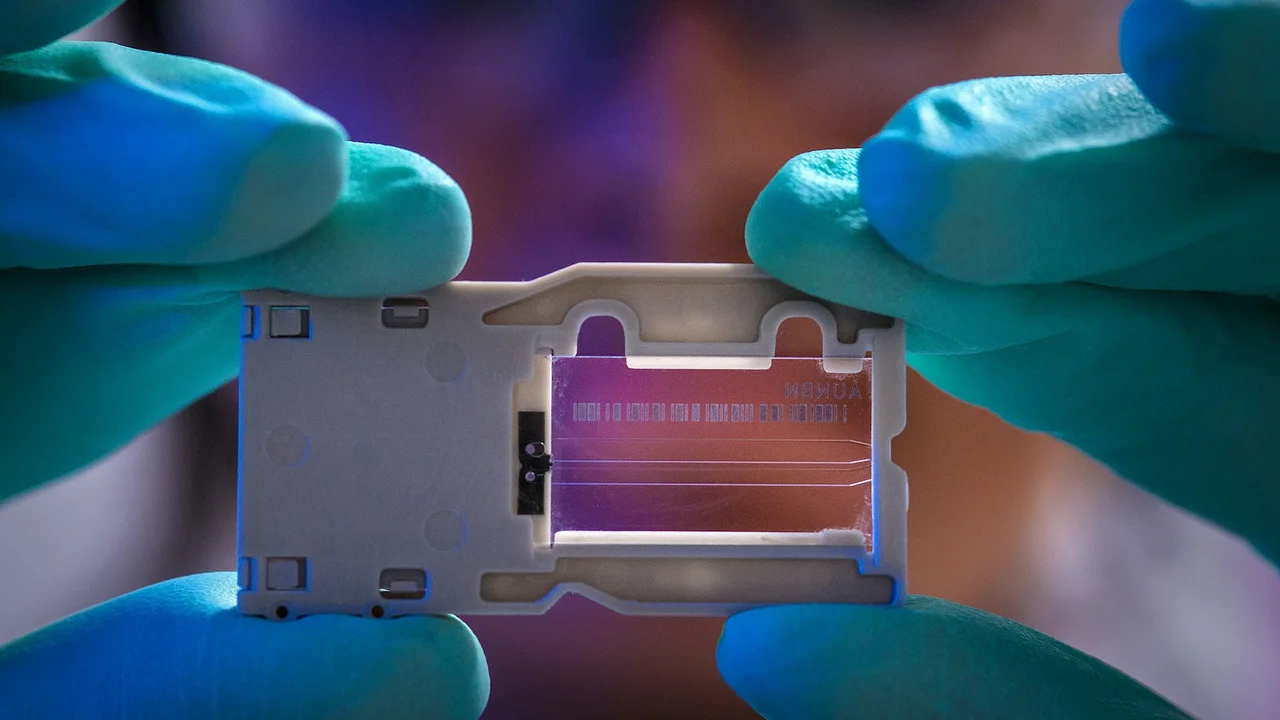
Salivary gland cancer is a rare and diverse malignancy, traditionally treated primarily through surgery and radiation therapy. However, advanced molecular testing is transforming the therapeutic landscape, offering new options for patients with recurrent or metastatic forms of the disease.
Professor Salem Billan, head of the Radiotherapy Institute and the Head, Neck and Thyroid Cancer Unit at Rambam Health Care Campus, explains that salivary glands play a vital role in daily functions such as digestion and speech. The human body contains three pairs of major salivary glands and hundreds of minor ones, all of which can develop malignant tumors.
Diverse Tumors and Traditional Approaches
Unlike many other head and neck cancers, salivary gland malignancies are generally not linked to smoking, and clear environmental causes are rarely identified. The disease encompasses a wide spectrum of tumors ranging from slow-growing to highly aggressive types that can spread to lymph nodes, the lungs, and bones.
For years, standard treatment relied heavily on surgical resection, supplemented in certain cases by adjuvant radiotherapy to reduce the risk of recurrence. While surgery remains the primary intervention, modern oncology increasingly integrates molecular profiling to better understand tumor biology.
The Molecular Revolution
Advanced diagnostic tools now allow physicians to examine the genetic and molecular characteristics of tumors rather than relying solely on histology. Biomarkers such as HER2 overexpression, NTRK gene fusions, androgen receptor expression, and high microsatellite instability (MSI-H) are becoming crucial in identifying targeted therapies, hormonal treatments, and immunotherapy.
«Today, we do not rely solely on the pathological biopsy examination, but can use additional tests that provide us with a broader and more accurate picture of the tumor,» Professor Billan notes.
While not every genetic alteration yields a direct treatment option, molecular profiling significantly enhances decision-making, particularly in unresectable or recurrent cases where traditional therapies are limited. Multidisciplinary medical teams now collaborate to interpret complex genomic data and tailor precision medicine strategies for each patient.