US Central Command Chief Meets Saudi Leadership in Riyadh Following Israel Visit
US Central Command chief met with Saudi leaders in Riyadh following high-level defense talks in Israel, as the Saudi-led coalition intercepted incoming Houthi missile strikes from Yemen.

US Central Command chief met with Saudi Crown Prince Mohammed bin Salman in Riyadh following an official visit to Israel, as regional tensions escalated with new missile attacks from Yemen.
The official Saudi Press Agency reported that Saudi Defense Minister Prince Khalid bin Salman hosted the US military commander to discuss expanding bilateral defense cooperation and strategies for maintaining regional stability. Crown Prince Mohammed bin Salman subsequently received the American delegation alongside the defense minister, the Saudi Chief of the General Staff, Fayyad bin Hamed al-Ruwaili, and National Security Advisor Musaad bin Mohammed al-Aiban.
Regional Threats and Security Coordination
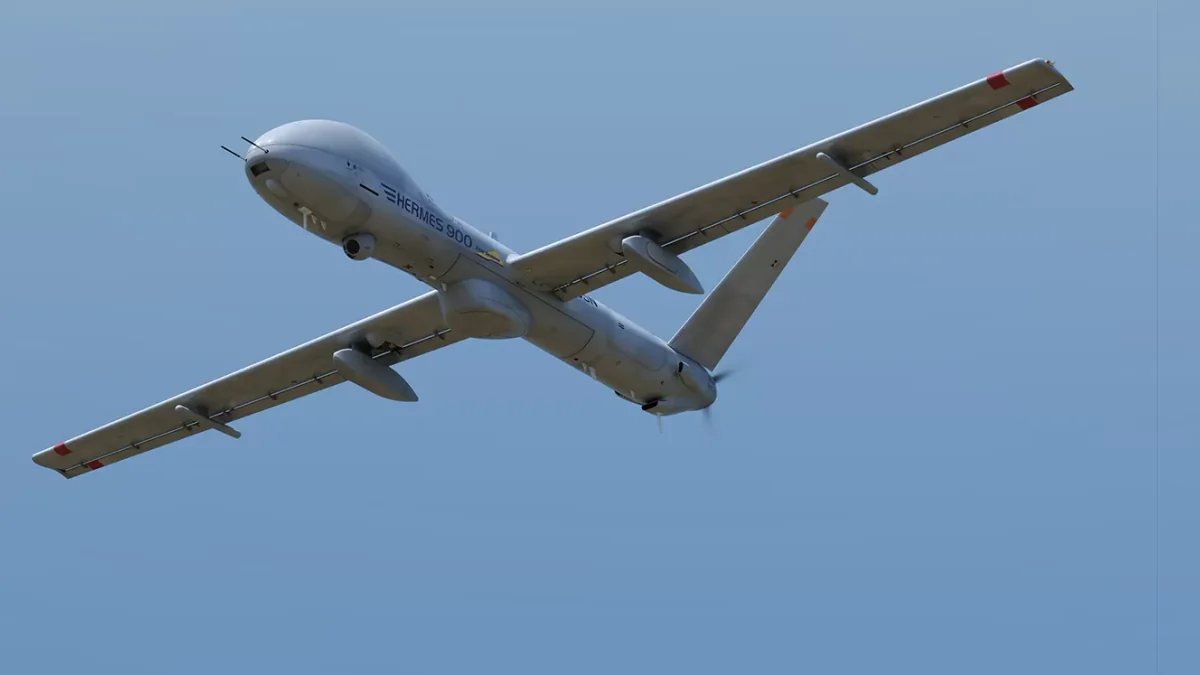
The high-level diplomatic and military talks coincided with renewed attacks originating from Yemen. The Saudi-led coalition announced the interception of a ballistic missile targeting Riyadh, which resulted in scattered debris across the capital, alongside the downing of a cruise missile aimed at the southern region of the kingdom. Regional monitors note that the Iran-backed Houthis have continuously targeted Saudi territory with ballistic missiles and unmanned aerial vehicles since the summer, threatening maritime trade routes near the Bab el-Mandeb Strait.
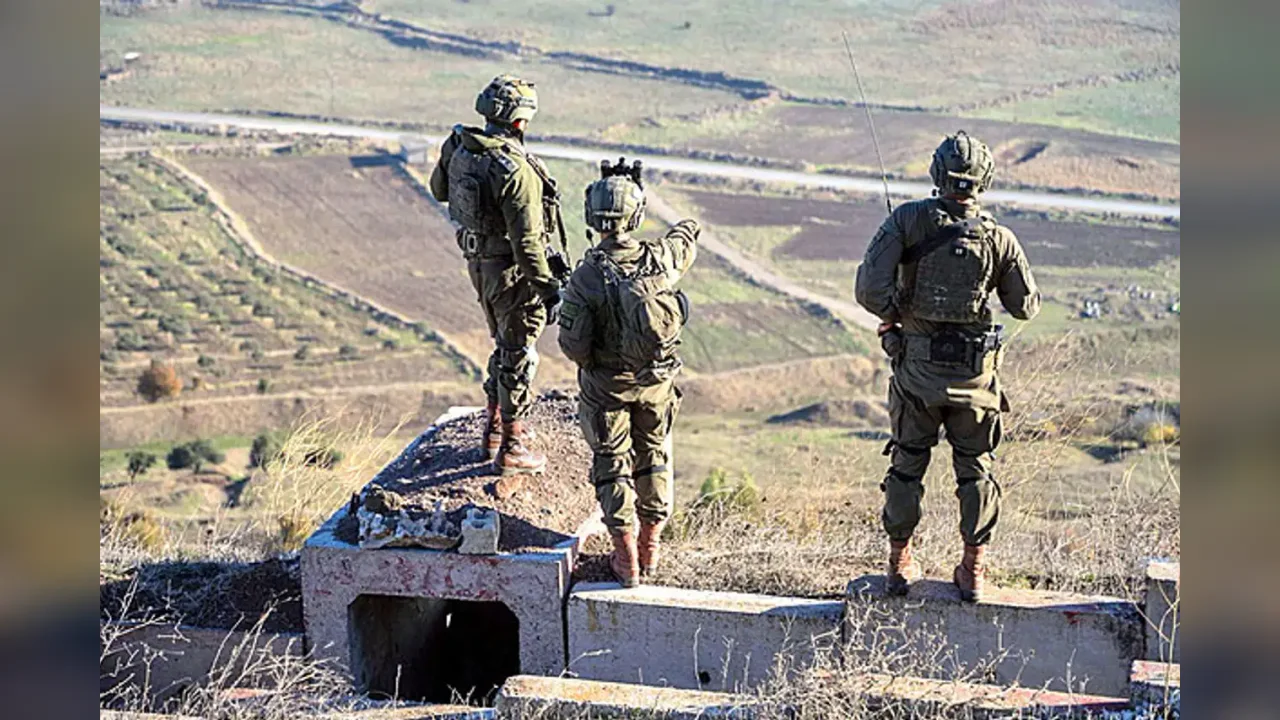
Prior to his arrival in Saudi Arabia, the US commander visited Tel Aviv to confer with senior Israeli defense officials. Accompanied by IDF Chief of the General Staff Lt. Gen. Eyal Zamir, the delegations conducted a comprehensive security assessment addressing joint regional threats and operational coordination. The meetings in Tel Aviv also included the Head of the Military Intelligence Directorate, Maj. Gen. Shlomi Binder, Israeli Air Force Commander Maj. Gen. Omer Tishler, and Mossad Director Roman Gofman, focusing on mutual military readiness across multiple fronts.